Vogeleier
Beschreibung
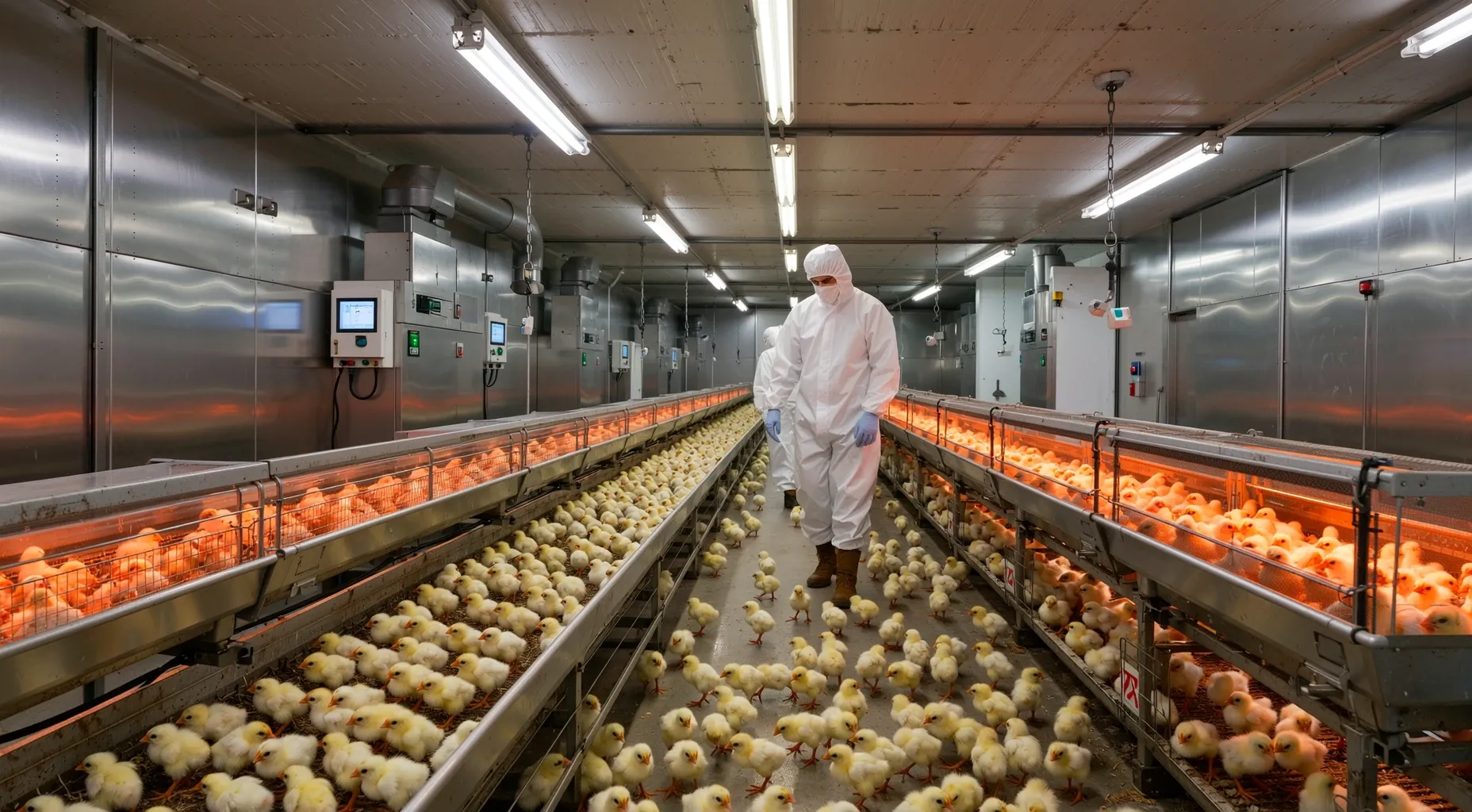
Brutstationen für Geflügel bilden den grundlegenden Motor der Vogelproduktion, da sie sich auf die künstliche Inkubation von Eiern spezialisiert haben, um tagalte Küken zum Verkauf zu erzeugen. Diese Einrichtungen fallen unter den Bereich der Tierhaltung und Aquakultur und konzentrieren sich ausschließlich auf die Zucht- und frühe Entwicklungsphase, bevor die Vögel zu den Höfen zur Aufzucht verteilt werden. Die Hauptgeschäftsaktivitäten umfassen die Einhaltung strenger Temperatur- und Feuchtigkeitskontrollen in spezialisierten Inkubatoren, um hohe Überlebensraten zu gewährleisten, die Verwaltung der Bestände der Elterntiere und die Bewältigung der komplexen Logistik des Versands tausender zerbrechlicher, frisch geschlüpfter Küken an verschiedene regionale Händler. Die Betreiber lassen sich typischerweise in zwei Kategorien einteilen: große Unternehmen, die umfangreiche Anlagen mit automatisierten Systemen für die Massenproduktion verwalten, und kleinere, familiengeführte Höfe, die sich möglicherweise auf bestimmte Rassen wie Mastküken oder Legehennen konzentrieren. Das Ausmaß dieser Betriebe ist enorm, da eine einzige große Brutstation jährlich Millionen von Küken produzieren kann, was ein ausgeklügeltes Bestandsmanagement und die Einhaltung gesetzlicher Vorschriften erfordert, um den landwirtschaftlichen Standards auf Bundes- und staatlicher Ebene zu entsprechen. Dieser Sektor sichert eine stetige, ganzjährige Versorgung mit genetisch verbesserten Geflügelen, was für die nachgelagerten Fleisch- und Eierindustrien von entscheidender Bedeutung ist. Die wirtschaftliche Auswirkung ist erheblich, da Brutstationen Hochvolumen-Transaktionen generieren und ein riesiges Netzwerk von Futterstellen, Verarbeitungsanlagen und Einzelhandelsmärkten unterstützen, das von diesem konstanten Ausgangsmaterial abhängt.
Hierarchie
| Code | Titel | Beschreibung |
|---|---|---|
| 11 | Land-, Forst- und Fischerei sowie Jagd 2-stelliger Sektor | Der Sektor als Ganzes Der Sektor Land-, Forst-, Fischerei- und Jagdwirtschaft umfasst Betriebe, die hauptsächlich mit dem Anbau von Feldfrüchten, der Tierhaltung, der Holzernte sowie der Ernte von Fischen und anderen Tieren aus einem Bauernhof, einer Ranch oder ihren natürlichen Lebensräumen befasst sind. Die Betriebe in diesem Sektor werden oft als Bauernhöfe, Ranchs, Milchviehanlagen, Gewächshäuser, Baumschulen, Obstgärten oder Brutstätten beschrieben. Ein Bauernhof kann aus einem einzigen Grundstück oder aus mehreren separaten Grundstücken bestehen, die unter unterschiedlichen Pachtverhältnissen gehalten werden. Beispielsweise kann ein Grundstück vom Betreiber des Hofes besessen und ein anderes gemietet sein. Er kann allein vom Betreiber oder mit Hilfe von Haushaltsmitgliedern oder Angestellten betrieben werden, oder er kann von einer Partnerschaft, einer Gesellschaft oder einer anderen Art von Organisation betrieben werden. Wenn ein Landbesitzer einen oder mehrere Pächter, Mieter, Anbauer oder Verwalter hat, gilt das von jedem betriebene Land als Bauernhof. Der Sektor unterscheidet zwei grundlegende Tätigkeiten: die landwirtschaftliche Produktion und die landwirtschaftlichen Unterstützungsleistungen. Die landwirtschaftliche Produktion umfasst Betriebe, die den gesamten Betrieb eines Bauernhofs oder einer Ranch durchführen, wie beispielsweise selbstständige Landwirte und Pächterlandwirte. Die landwirtschaftlichen Unterstützungsleistungen umfassen Betriebe, die eine oder mehrere Tätigkeiten im Zusammenhang mit dem Hofbetrieb ausführen, wie z. B. Bodenbearbeitung, Aussaat, Ernte und Bewirtschaftung, auf Vertrags- oder Honorarbasis. Von der Land-, Forst-, Fischerei- und Jagdwirtschaft sind Betriebe ausgeschlossen, die sich hauptsächlich mit landwirtschaftlicher Forschung befassen (z. B. Versuchsanbaubetriebe) und staatliche Einrichtungen, die sich hauptsächlich mit der Verwaltung von Programmen zur Regulierung und Erhaltung der Land-, Mineral-, Wildtier- und Forstnutzung befassen. Diese Betriebe werden bzw. in der Branche 54171, Forschung und Entwicklung in den Natur-, Ingenieur- und Lebenswissenschaften; und in der Branche 92412, Verwaltung von Naturschutzprogrammen, klassifiziert. |
| 112 | Tierproduktion und Aquakultur 3-stelliger Teilsektor | Die Industrien im Untersektor Tierhaltung und Aquakultur züchten oder füttern Tiere zum Verkauf von Tieren oder tierischen Produkten und/oder züchten Wasserpflanzen und -tiere in kontrollierten oder ausgewählten aquatischen Umgebungen zum Verkauf von Wasserpflanzen, -tieren oder deren Produkten. Der Untersektor umfasst Betriebe wie Weiden, Farmen und Futterstellen, die hauptsächlich mit der Haltung, dem Weiden, der Zucht oder der Fütterung von Tieren befasst sind. Diese Tiere werden für die Produkte gehalten, die sie liefern, oder für den späteren Verkauf. Die Tiere werden im Allgemeinen in verschiedenen Umgebungen gehalten, von völliger Haltung oder Gefangenschaft bis hin zur Fütterung auf einer offenen Weide. Die Industrien in diesem Untersektor werden nach wichtigen Faktoren gruppiert, wie geeignete Weide- oder Grünlandflächen, spezialisierte Gebäude, Art der Ausrüstung sowie dem Umfang und der Art des benötigten Arbeitskräfteeinsatzes. Betriebe werden im Untersektor Tierhaltung und Aquakultur klassifiziert, wenn die Tierproduktion (d. h. der Wert der Tiere für den Markt) ein halbes oder mehr der gesamten landwirtschaftlichen Produktion des Betriebs ausmacht. Betriebe mit einem halben oder mehr Tierproduktion, bei denen kein tierisches Produkt oder keine Familie tierischer Produkte einer Branche ein halbes der landwirtschaftlichen Produktion des Betriebs ausmacht, werden als gemischte Tierhaltung behandelt und in Industrie 11299, Alle übrigen Tierproduktion, eingestuft. |
| 1123 | Geflügel- und Eiproduktion 4-stellige Branchengruppe | Diese Industriegruppe umfasst Betriebe, die sich hauptsächlich mit der Zucht, dem Ausbrüten und der Aufzucht von Geflügel zur Fleisch- oder Eiproduktion befassen. |
| 11234 | Vogeleier 5-stellige NAICS-Branche | Siehe Branchenbeschreibung für 112340. |
| 112340 | Vogeleier 6-stelliger US-Detailcode | Brutstationen für Geflügel bilden den grundlegenden Motor der Vogelproduktion, da sie sich auf die künstliche Inkubation von Eiern spezialisiert haben, um tagalte Küken zum Verkauf zu erzeugen. Diese Einrichtungen fallen unter den Bereich der Tierhaltung und Aquakultur und konzentrieren sich ausschließlich auf die Zucht- und frühe Entwicklungsphase, bevor die Vögel zu den Höfen zur Aufzucht verteilt werden. Die Hauptgeschäftsaktivitäten umfassen die Einhaltung strenger Temperatur- und Feuchtigkeitskontrollen in spezialisierten Inkubatoren, um hohe Überlebensraten zu gewährleisten, die Verwaltung der Bestände der Elterntiere und die Bewältigung der komplexen Logistik des Versands tausender zerbrechlicher, frisch geschlüpfter Küken an verschiedene regionale Händler. Die Betreiber lassen sich typischerweise in zwei Kategorien einteilen: große Unternehmen, die umfangreiche Anlagen mit automatisierten Systemen für die Massenproduktion verwalten, und kleinere, familiengeführte Höfe, die sich möglicherweise auf bestimmte Rassen wie Mastküken oder Legehennen konzentrieren. Das Ausmaß dieser Betriebe ist enorm, da eine einzige große Brutstation jährlich Millionen von Küken produzieren kann, was ein ausgeklügeltes Bestandsmanagement und die Einhaltung gesetzlicher Vorschriften erfordert, um den landwirtschaftlichen Standards auf Bundes- und staatlicher Ebene zu entsprechen. Dieser Sektor sichert eine stetige, ganzjährige Versorgung mit genetisch verbesserten Geflügelen, was für die nachgelagerten Fleisch- und Eierindustrien von entscheidender Bedeutung ist. Die wirtschaftliche Auswirkung ist erheblich, da Brutstationen Hochvolumen-Transaktionen generieren und ein riesiges Netzwerk von Futterstellen, Verarbeitungsanlagen und Einzelhandelsmärkten unterstützen, das von diesem konstanten Ausgangsmaterial abhängt. |
Benötigen Sie eine Supply-Chain-Plattform, die zu dieser Branche passt?
Nutzen Sie diese NAICS-Klassifizierung als Ausgangspunkt und verbinden Sie sie anschließend mit Item-Workflows für Bestand, Lager, Auftragsverwaltung, Fulfillment und Transport.
Indexeinträge
Hühnerbrutstationen
Eierbrutstationen, Geflügel
Brutstationen, Geflügel
Geflügelbrutstationen
Truthahnbrutstationen
Item.com-Tools
Externe Ressourcen
Census.gov NAICS-Details
Offizielle Definition und Geltungsbereich des US Census Bureau für NAICS 112340.
Verband der Geflügel- und Eierindustrie
Branchentraditionsverband, der Ressourcen und Interessenvertretung für Geflügelbetriebe, einschließlich Br육, bereitstellt.
USDA National Agricultural Statistics Service – Geflügel- und Eiersektor
Regierungsseite mit Daten und Statistiken zur Struktur der nationalen Geflügelindustrie.
ASPA Verzeichnis von Geflügelproduktionsunternehmen
Verzeichnis der Mitgliedsunternehmen des Verbandes für Spezialbrutfarmen, einschließlich größerer Bruteriebetriebe.
