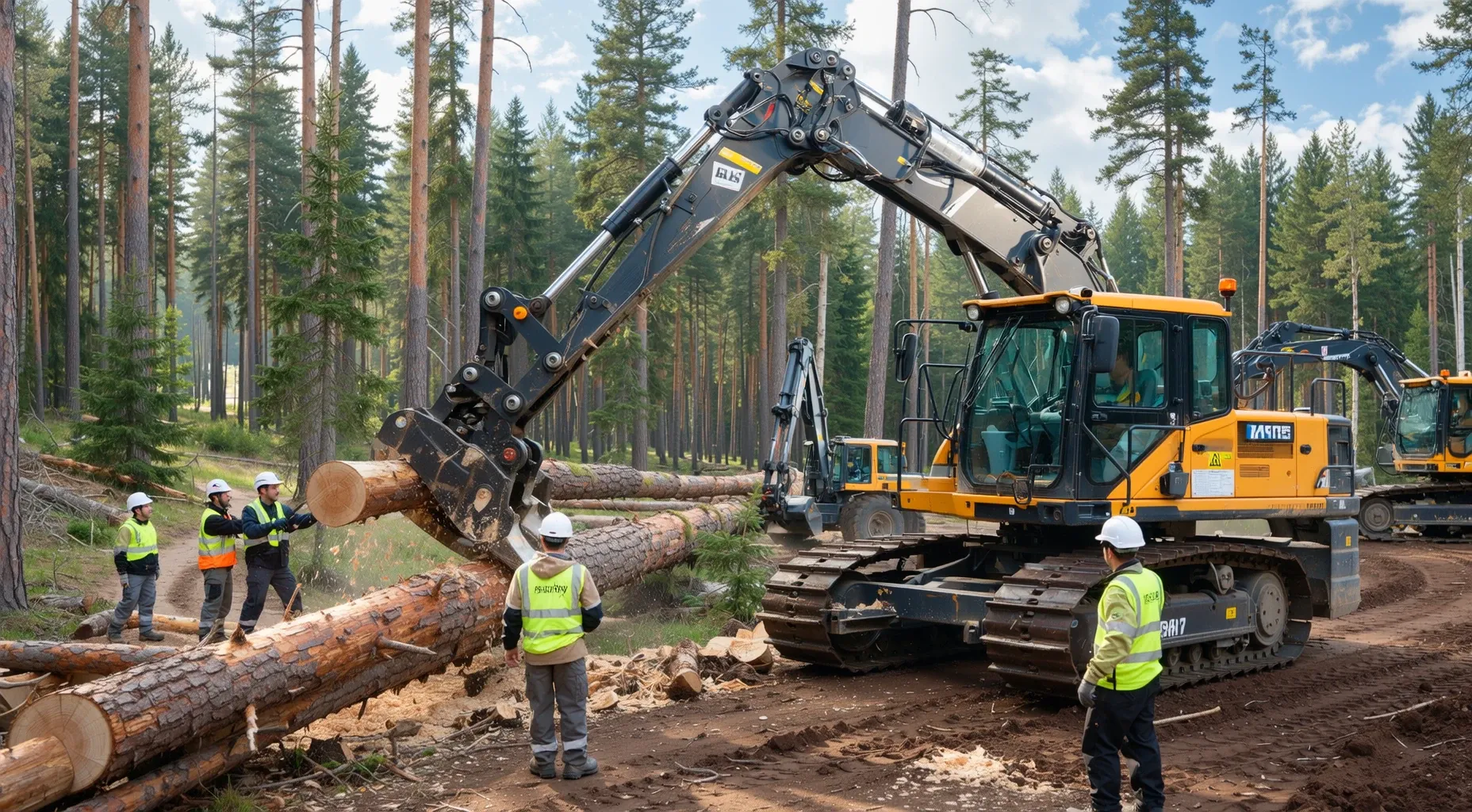
Holzforstbetrieb
Beschreibung
Betriebe im Holzforstmanagement widmen sich der Verwaltung und kommerziellen Nutzung bewaldeter Flächen, auf denen Bäume zum direkten Verkauf und nicht zur Ernte erhalten bleiben. Diese Unternehmen legen Wert auf langfristige Vermögensverwaltung statt auf sofortige Entnahme und zielen darauf ab, den Holzwert durch nachhaltige Praktiken zu maximieren, die die Gesundheit des Ökosystems bewahren. Typische Tätigkeiten umfassen strategisches Landmanagement, Bodenschutz, selektive Holzeinschläge und Vermarktung an Käufer, die reifes Holz oder hochwertige Holzprodukte suchen. Die Betreiber umfassen oft große Holzunternehmen, die riesige Portfolios über mehrere Bundesstaaten verwalten, oder private Landbesitzer, die erhebliche Flächen für die Holzproduktion besitzen. Einige Unternehmen bieten möglicherweise auch Forstberatungsdienste für kleinere Partner an. Der Umfang dieser Betriebe variiert erheblich, von einzelnen Familienwäldern, die Tausende von Acres umfassen, bis hin zu Konzernen, die Millionen von Acres überwachen. Der geografische Umfang reicht häufig über die unmittelbare Region des Eigentümers hinaus und beinhaltet komplexe Logistik für den Transport von Baumstämmen und verarbeitetem Holz. Die finanzielle Leistung hängt stark von Holzpreisen, Wachstumsraten der Wälder und der Einhaltung von Vorschriften in Bezug auf Brandschutz und Umweltschutz ab. Durch die Konzentration auf stehendes Holz schaffen diese Unternehmen einen stabilen Umsatzstrom und tragen gleichzeitig zur Kohlenstoffbindung und Erhaltung der Artenvielfalt bei, was sie von Industrien unterscheidet, die sich ausschließlich auf Gewinnung und Verarbeitungseinrichtungen konzentrieren.
Hierarchie
| Code | Titel | Beschreibung |
|---|---|---|
| 11 | Land-, Forst- und Fischerei sowie Jagd 2-stelliger Sektor | Der Sektor als Ganzes Der Sektor Land-, Forst-, Fischerei- und Jagdwirtschaft umfasst Betriebe, die hauptsächlich mit dem Anbau von Feldfrüchten, der Tierhaltung, der Holzernte sowie der Ernte von Fischen und anderen Tieren aus einem Bauernhof, einer Ranch oder ihren natürlichen Lebensräumen befasst sind. Die Betriebe in diesem Sektor werden oft als Bauernhöfe, Ranchs, Milchviehanlagen, Gewächshäuser, Baumschulen, Obstgärten oder Brutstätten beschrieben. Ein Bauernhof kann aus einem einzigen Grundstück oder aus mehreren separaten Grundstücken bestehen, die unter unterschiedlichen Pachtverhältnissen gehalten werden. Beispielsweise kann ein Grundstück vom Betreiber des Hofes besessen und ein anderes gemietet sein. Er kann allein vom Betreiber oder mit Hilfe von Haushaltsmitgliedern oder Angestellten betrieben werden, oder er kann von einer Partnerschaft, einer Gesellschaft oder einer anderen Art von Organisation betrieben werden. Wenn ein Landbesitzer einen oder mehrere Pächter, Mieter, Anbauer oder Verwalter hat, gilt das von jedem betriebene Land als Bauernhof. Der Sektor unterscheidet zwei grundlegende Tätigkeiten: die landwirtschaftliche Produktion und die landwirtschaftlichen Unterstützungsleistungen. Die landwirtschaftliche Produktion umfasst Betriebe, die den gesamten Betrieb eines Bauernhofs oder einer Ranch durchführen, wie beispielsweise selbstständige Landwirte und Pächterlandwirte. Die landwirtschaftlichen Unterstützungsleistungen umfassen Betriebe, die eine oder mehrere Tätigkeiten im Zusammenhang mit dem Hofbetrieb ausführen, wie z. B. Bodenbearbeitung, Aussaat, Ernte und Bewirtschaftung, auf Vertrags- oder Honorarbasis. Von der Land-, Forst-, Fischerei- und Jagdwirtschaft sind Betriebe ausgeschlossen, die sich hauptsächlich mit landwirtschaftlicher Forschung befassen (z. B. Versuchsanbaubetriebe) und staatliche Einrichtungen, die sich hauptsächlich mit der Verwaltung von Programmen zur Regulierung und Erhaltung der Land-, Mineral-, Wildtier- und Forstnutzung befassen. Diese Betriebe werden bzw. in der Branche 54171, Forschung und Entwicklung in den Natur-, Ingenieur- und Lebenswissenschaften; und in der Branche 92412, Verwaltung von Naturschutzprogrammen, klassifiziert. |
| 113 | Forstwirtschaft und Holzfällerei 3-stelliger Teilsektor | Industrien im Untersektor Forst- und Holzwirtschaft wachsen und ernten Holz über einen langen Produktionszyklus (d. h. 10 Jahre oder länger). Lange Produktionszyklen erfordern andere Produktionsprozesse als kurze Produktionszyklen, die mehr gärtnerische Eingriffe vor der Ernte benötigen, was zu Prozessen führt, die denen des Untersektors Pflanzenproduktion ähneln. Folglich werden Weihnachtsbäume und andere Produktionen mit Produktionszyklen von weniger als 10 Jahren dem Untersektor Pflanzenproduktion zugeordnet. Industrien in diesem Untersektor spezialisieren sich auf verschiedene Phasen des Produktionszyklus. Die Wiederaufforstung erfordert die Produktion von Setzlingen in spezialisierten Baumschulen. Die Holzproduktion erfordert natürliche Wälder oder geeignete Flächen, die über einen langen Zeitraum zur Verfügung stehen. Die Reifezeit des Holzes hängt von der Baumart, den klimatischen Bedingungen der Region und dem beabsichtigten Verwendungszweck des Holzes ab. Die Holzernte (außer bei extrem kleinem Maßstab) erfordert spezialisierte Maschinen, die für diese Branche einzigartig sind. Auch Betriebe, die Waldprodukte wie Harze, Rinden, Balsamharznadeln, Rhizome, Fasern, Spanisches Moos, Ginseng und Trüffel sammeln, sind in diesen Untersektor einbezogen. |
| 1131 | Holzforstbetrieb 4-stellige Branchengruppe | Industrien im Untersektor Forst- und Holzwirtschaft wachsen und ernten Holz über einen langen Produktionszyklus (d. h. 10 Jahre oder länger). Lange Produktionszyklen erfordern andere Produktionsprozesse als kurze Produktionszyklen, die mehr gärtnerische Eingriffe vor der Ernte benötigen, was zu Prozessen führt, die denen des Untersektors Pflanzenproduktion ähneln. Folglich werden Weihnachtsbäume und andere Produktionen mit Produktionszyklen von weniger als 10 Jahren dem Untersektor Pflanzenproduktion zugeordnet. Industrien in diesem Untersektor spezialisieren sich auf verschiedene Phasen des Produktionszyklus. Die Wiederaufforstung erfordert die Produktion von Setzlingen in spezialisierten Baumschulen. Die Holzproduktion erfordert natürliche Wälder oder geeignete Flächen, die über einen langen Zeitraum zur Verfügung stehen. Die Reifezeit des Holzes hängt von der Baumart, den klimatischen Bedingungen der Region und dem beabsichtigten Verwendungszweck des Holzes ab. Die Holzernte (außer bei extrem kleinem Maßstab) erfordert spezialisierte Maschinen, die für diese Branche einzigartig sind. Auch Betriebe, die Waldprodukte wie Harze, Rinden, Balsamharznadeln, Rhizome, Fasern, Spanisches Moos, Ginseng und Trüffel sammeln, sind in diesen Untersektor einbezogen. |
| 11311 | Holzforstbetrieb 5-stellige NAICS-Branche | Siehe Branchenbeschreibung für 113110. |
| 113110 | Holzforstbetrieb 6-stelliger US-Detailcode | Betriebe im Holzforstmanagement widmen sich der Verwaltung und kommerziellen Nutzung bewaldeter Flächen, auf denen Bäume zum direkten Verkauf und nicht zur Ernte erhalten bleiben. Diese Unternehmen legen Wert auf langfristige Vermögensverwaltung statt auf sofortige Entnahme und zielen darauf ab, den Holzwert durch nachhaltige Praktiken zu maximieren, die die Gesundheit des Ökosystems bewahren. Typische Tätigkeiten umfassen strategisches Landmanagement, Bodenschutz, selektive Holzeinschläge und Vermarktung an Käufer, die reifes Holz oder hochwertige Holzprodukte suchen. Die Betreiber umfassen oft große Holzunternehmen, die riesige Portfolios über mehrere Bundesstaaten verwalten, oder private Landbesitzer, die erhebliche Flächen für die Holzproduktion besitzen. Einige Unternehmen bieten möglicherweise auch Forstberatungsdienste für kleinere Partner an. Der Umfang dieser Betriebe variiert erheblich, von einzelnen Familienwäldern, die Tausende von Acres umfassen, bis hin zu Konzernen, die Millionen von Acres überwachen. Der geografische Umfang reicht häufig über die unmittelbare Region des Eigentümers hinaus und beinhaltet komplexe Logistik für den Transport von Baumstämmen und verarbeitetem Holz. Die finanzielle Leistung hängt stark von Holzpreisen, Wachstumsraten der Wälder und der Einhaltung von Vorschriften in Bezug auf Brandschutz und Umweltschutz ab. Durch die Konzentration auf stehendes Holz schaffen diese Unternehmen einen stabilen Umsatzstrom und tragen gleichzeitig zur Kohlenstoffbindung und Erhaltung der Artenvielfalt bei, was sie von Industrien unterscheidet, die sich ausschließlich auf Gewinnung und Verarbeitungseinrichtungen konzentrieren. |
Benötigen Sie eine Supply-Chain-Plattform, die zu dieser Branche passt?
Nutzen Sie diese NAICS-Klassifizierung als Ausgangspunkt und verbinden Sie sie anschließend mit Item-Workflows für Bestand, Lager, Auftragsverwaltung, Fulfillment und Transport.
Klassifizierungsreferenzen
- 01Landvermieter mit Baumbeständen als Immobilienvermögen werden in der Branche 531190, Vermieter anderer Immobilienvermögen, eingestuft;
- 02Der Anbau von kurzzyklischen Holzpflanzen (d. h. der Anbau- und Erntezyklus beträgt 10 Jahre oder weniger) wird in der US-Branche 111421, Baumschulen und Pflanzenproduktion, eingestuft;
- 03Der Anbau von Bäumen zur Wiederaufforstung wird in der Branche 113210, Forstschulen und Ernte von Holzprodukten, eingestuft;
- 04Das Fällen von Holz wird in der Branche 113310, Holzfällerei, eingestuft; und
- 05Der Betrieb von Sägewerken wird in der US-Branche 321113, Sägewerke, eingestuft.
Indexeinträge
Holzforstbetrieb
Wie Item helfen kann
Das TMS optimiert die Routenführung schwerer Maschinen und den Kraftstoffverbrauch in abgelegenen Waldgebieten, reduziert Ausfallzeiten und Betriebskosten während der Holzernte.
Das WMS digitalisiert den Bestand an Holz, Sägewerken und Verarbeitungsausrüstung mit Echtzeit-Sichtbarkeit, um die Logistik vom Wald bis zur Sägemühle zu optimieren.
Data Intelligence analysiert historische Ernteerträge und Markttrends, um optimale Erntewege und Preisgestaltung für jedes spezifische Holzstück zu prognostizieren.
Item.com-Tools
Externe Ressourcen
Census.gov NAICS-Details
Offizielle Definition und Geltungsbereich des US Census Bureau für NAICS 113110.
Nationale Vereinigung von Forstingenieuren
Handelsverband, der Förstern Ressourcen und Zertifizierungen für die Bewirtschaftung von Holzbeständen in den Vereinigten Staaten zur Verfügung stellt.
Forstschutzdienst des USDA
Bundesbehörde, die Bundesgebiete überwacht und Forstmanagementpläne für Holzabholzungsbetriebe anbietet.
Gesellschaft für Waldgeschichte
Gemeinnützige Organisation, die sich der Bewahrung und Weitergabe historischer Daten zur Holzforstwirtschaft und Landnutzung widmet.
