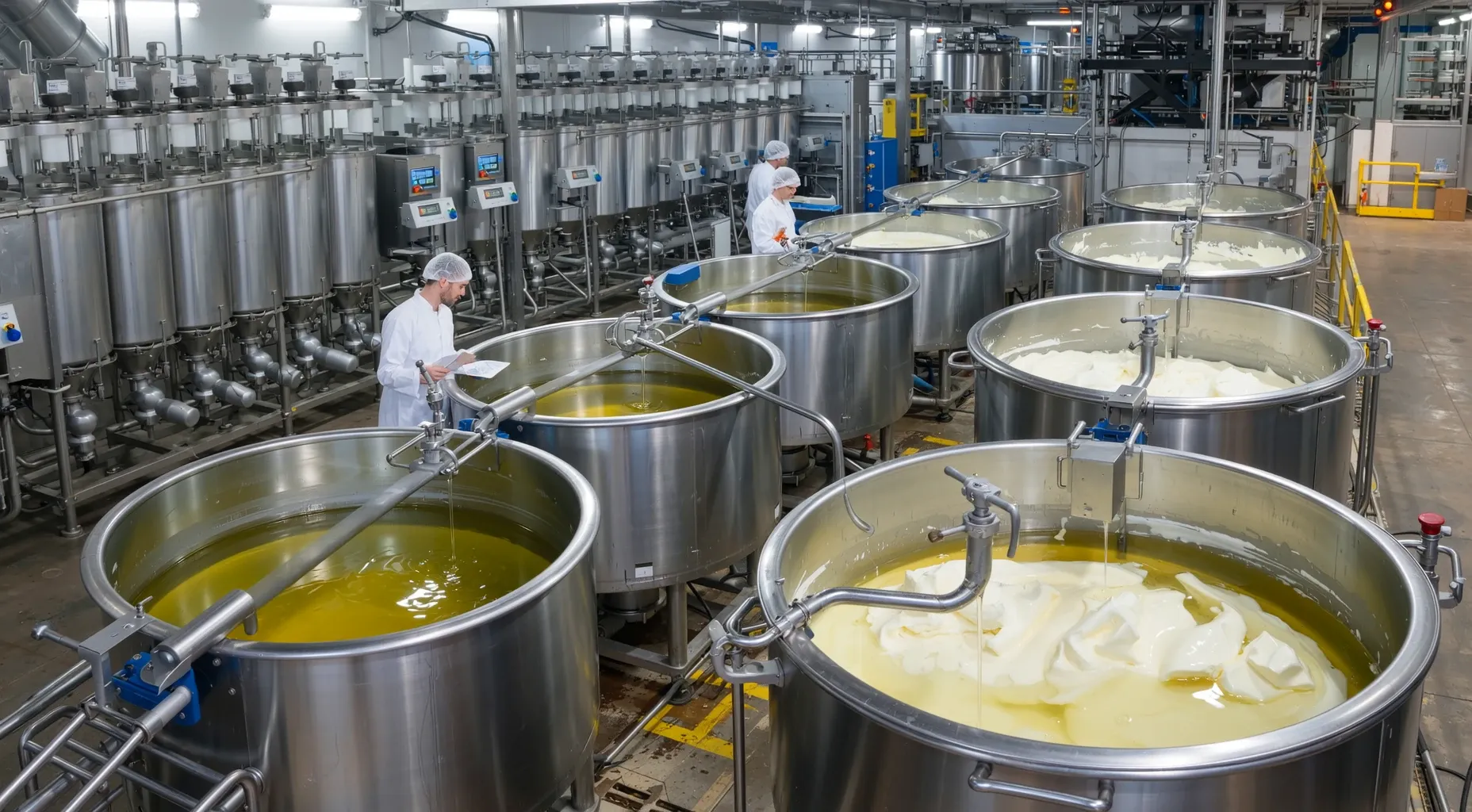
植物油および動物性油脂の精製と混合
Description
この米国産業は、主に以下のいずれかまたは複数の活動に従事する事業所で構成されています:(1)購入した油脂からショートニングおよびマーガリンを製造すること;(2)購入した植物油、油糧、および木の実の油を精製および/または混合すること;および(3)購入した動物性油脂を購入した植物性油脂と混合すること。
Hierarchy
| Code | Title | Description |
|---|---|---|
| 31 | 製造業 2-digit sector | セクター全体の説明 製造業セクターは、材料、物質、またはコンポーネントを新しい製品に機械的、物理的、または化学的に変換する事業を包含します。 製造された製品のコンポーネント部分を組み立てる行為は、適切な活動がセクター23、建設に分類されている場合を除き、製造とみなされます。 製造業セクターの事業所は、通常、工場、工場、または製粉所と見なされ、電力駆動の機械と材料ハンドリング設備を使用します。 ただし、労働者の自宅や販売場所で、製品を製造し、その場で販売する事業(例:パン屋、キャンディー店、カスタムテーラー)もこのセクターに含めることができます。 製造業の事業所は、材料を加工したり、他の事業所に材料を加工させる契約を結んだりすることができます。 両方のタイプの事業所は、製造業に分類されます。 選択された製造業の事業所は、契約または手数料に基づいて他の事業所に材料を加工する事業にのみ関連しています。 これらの専用の製造業の事業所以外は、一般的に加工された材料の製造業に分類されます。 製造業の事業所が加工する材料、物質、またはコンポーネントは、農業、林業、漁業、採掘、または採掘の製品である原材料です。 使用される材料は、直接生産者から購入したり、慣習的な貿易チャネルを通じて入手したり、市場に頼らずに、別の事業所から転送された製品として取得したりすることができます。 製造業の事業所の新しい製品は、利用または消費のために完成しているか、または、さらに製造を行う事業に投入される半完成品として、次の製造段階で使用することができます。 たとえば、アルミナ精製所の製品は、アルミニウムの主要な生産に使用される入力です。 主要なアルミニウムは、アルミニウムワイヤーの製造工場で使用される入力です。 アルミニウムワイヤーは、製造業の事業所に投入される加工されたワイヤー製品です。 製造業セクターのサブセクターは、一般的に材料の入力、生産設備、および従業員のスキルに関連する、異なる生産プロセスを反映しています。 機械の分野では、組み立てが重要な活動であるため、製造された製品の部品とアクセサリーは、別売りの場合に、製造された製品の産業に分類されます。 たとえば、金属加工機械のアタッチメントは、金属加工機械に分類されます。 ただし、他の製造業の事業所からのコンポーネント入力は、コンポーネントメーカーの生産機能に基づいて分類されます。 たとえば、電子部品は、サブセクター334、コンピューターおよび電子製品製造に分類され、スタンプは、サブセクター332、加工金属製品製造に分類されます。 製造業の事業所は、NAICSの他のセクターの活動をしばしば実行します。 たとえば、ほとんどの製造業には、会計、給与、または管理などの、キャプティブな研究開発または管理業務が含まれています。 これらのキャプティブサービスは、他のキャプティブ製造活動と同じように扱われます。 サービスが別の事業所によって提供される場合、それらは、そのようなサービスが主要なセクターであるNAICSセクターに分類されます。 製造業と、分類システムの他のセクターの境界は、ある程度曖昧です。 製造業の事業所は、材料を新しい製品に変換する事業に従事しています。 その出力は、新しい製品です。 ただし、何が新しい製品と見なされるかは、ある程度主観的です。 そのため、NAICSでは、次の活動は製造業として分類されます。 <table width=100%><tr><td width=10%> </td><td><dl><dt style='padding-left: 10px; text-indent: -10px;'>牛乳の瓶詰めと乳化;</dt><dt style='padding-left: 10px; text-indent: -10px;'>水の瓶詰めと処理;</dt><dt style='padding-left: 10px; text-indent: -10px;'>新鮮な魚の包装(牡蠣<br/>の剥製、魚のフィレ処理);</dt><dt style='padding-left: 10px; text-indent: -10px;'>アパレルジョービング(材料を契約工場または店に割り当てること、または材料を所有する他の事業所に委託することを含む生地の製造またはその他の契約作業);</dt><dt style='padding-left: 10px; text-indent: -10px;'>印刷および関連活動;</dt><dt style='padding-left: 10px; text-indent: -10px;'>プレミックスコンクリートの生産;</dt><dt style='padding-left: 10px; text-indent: -10px;'>革の変換;</dt><dt style='padding-left: 10px; text-indent: -10px;'>レンズの研磨<br/>処方;</dt><dt style='padding-left: 10px; text-indent: -10px;'>木材の保存;</dt><dt style='padding-left: 10px; text-indent: -10px;'>石工;</dt></dl></td><td width=10%> </td><td><dl><dt style='padding-left: 10px; text-indent: -10px;'>電気めっき、めっき、金属<br/>熱処理、および<br/>研磨;</dt><dt style='padding-left: 10px; text-indent: -10px;'>看板および広告ディスプレイの製造;</dt><dt style='padding-left: 10px; text-indent: -10px;'>機械の再構築またはリマニュファクチャリング(例、自動車部品);</dt><dt style='padding-left: 10px; text-indent: -10px;'>住宅またはプレファブ建物の製造(例、モバイルホーム)、顧客の現場で組み立て/設置する場合でも;</dt><dt style='padding-left: 10px; text-indent: -10px;'>船の修理と改修;</dt><dt style='padding-left: 10px; text-indent: -10px;'>機械ショップ;</dt><dt style='padding-left: 10px; text-indent: -10px;'>タイヤの再製造。</dt></dl></td><td width=10%> </td></tr></table> 逆に、NAICSでは、製造業として分類されない、が製造業と見なされることがある活動があります。 これらには以下が含まれます。 1. 11セクター、農業、林業、漁業および狩猟に分類される、木材の伐採は、収穫作業です。 2. 21セクター、鉱業、採掘および石油・ガス採掘に分類される、鉱物およびその他の鉱物の加工は、鉱業の活動の一部です。 3. 23セクター、建設に分類される、構造物の建設、プレファブ建物の組み立て、および建設現場での契約者の製造は、建設活動です。 4. 42セクター、卸売取引、または44〜45セクター、小売取引に分類される、大量の分割と販売、包装、再包装、または液体または化学製品の瓶詰め、コンピューターのカスタムベースでの組み立てと販売、スクラップのソートと販売、注文に基づいて塗料の混合と販売、金属の注文に基づいてカットされた再販売は、卸売取引または小売取引に分類されます。 5. 51セクター、情報に分類される、情報を製品に変換し、その価値は情報の内容にあるのではなく、配布形式にある。 |
| 311 | Food Manufacturing 3-digit subsector | Industries in the Food Manufacturing subsector transform livestock and agricultural products into products for intermediate or final consumption. The industry groups are distinguished by the raw materials (generally of animal or vegetable origin) processed into food products. The food products manufactured in these establishments are typically sold to wholesalers or retailers for distribution to consumers, but establishments primarily engaged in retailing bakery and candy products made on the premises not for immediate consumption are included. Establishments primarily engaged in manufacturing beverages are classified in Subsector 312, Beverage and Tobacco Product Manufacturing. |
| 3112 | Grain and Oilseed Milling 4-digit industry group | This industry group comprises establishments primarily engaged in milling flour or meal from grains or vegetables, manufacturing malt, wet milling corn and other vegetables, crushing oilseeds and tree nuts, refining and/or blending vegetable oils, and manufacturing breakfast cereals. |
| 31122 | Starch and Vegetable Fats and Oils Manufacturing 5-digit NAICS industry | This industry comprises establishments primarily engaged in one or more of the following: (1) wet milling corn and vegetables; (2) crushing oilseeds and tree nuts; (3) refining and/or blending vegetable oils; (4) manufacturing shortening and margarine; and (5) blending purchased animal fats with vegetable fats. |
| 311225 | 植物油および動物性油脂の精製と混合 6-digit U.S. detail | この米国産業は、主に以下のいずれかまたは複数の活動に従事する事業所で構成されています:(1)購入した油脂からショートニングおよびマーガリンを製造すること;(2)購入した植物油、油糧、および木の実の油を精製および/または混合すること;および(3)購入した動物性油脂を購入した植物性油脂と混合すること。 |
Need a supply chain stack that maps to this industry?
Use this NAICS classification as the starting point, then connect it to Item workflows across inventory, warehousing, order management, fulfillment, and transportation.
Classification References
- 01湿式コーンミリングによるコーンオイルの精製および/または混合--は、U.S. Industry 311221、湿式コーンミリングおよびスターチ製造に分類されます。
- 02圧搾ミルでの油種および木の実のオイルの精製および/または混合--は、U.S. Industry 311224、大豆およびその他の油種加工に分類されます。
- 03動物の脂肪およびオイルのレンダリングまたは精製--は、Industry 31161、動物の屠殺および加工に分類されます。
Index Items
購入したオイルから作られたバター代替品
購入したオイルから作られたカナラ(ラペード)オイル、ケーキおよびミール
購入したオイルから作られたココナッツオイル
購入したオイルから作られた調理およびベーキング用のスプレー
購入したオイルから作られたコーンオイル
購入したオイルから作られた綿の種オイル
購入したオイルから作られたフラックスシードオイル
購入したオイルを精製および混合した、食用でないグリース
購入したオイルの水素化
購入したオイルから作られたレチニン
購入したオイルから作られたライシードオイル
購入した脂肪およびオイルから作られたマーガリン-バター混合物
購入した脂肪およびオイルから作られたマーガリン(模倣品を含む)
購入したオイルから作られた非乳製品バター
購入したオイルから作られたオリーブオイル
購入したオイルから作られた植物ステアリンオイル
購入したオイルから作られたオリーブオイル
購入したオイルから作られたパーム-ココナッツオイル
購入したオイルから作られたピーナッツオイル
購入したオイルから作られたラペード(イエ)オイル
購入したオイルから作られたショートニング
購入したオイルから作られた大豆調理油
購入したオイルから作られたテーブルオイル
購入したオイルから作られた木の実オイル(例:トゥン、クルミ)
購入したオイル
How Item Can Help
Data Intelligence predicts demand fluctuations in the refining market, enabling proactive adjustments to production schedules and blending ratios.
Item.com Tools
External Resources
Census.gov NAICS Detail
Official US Census Bureau definition and scope for NAICS 311225.
American Oil Chemists' Society
A major trade association for the oils and fats industry offering technical resources and industry news.
USDA Foreign Agricultural Service
Government portal providing commodity reports, market analysis, and international trade statistics specifically for fats and oils.
National Fats & Oils Association
An industry organization dedicated to representing companies involved in the refining, blending, and distribution of fats and oils.
