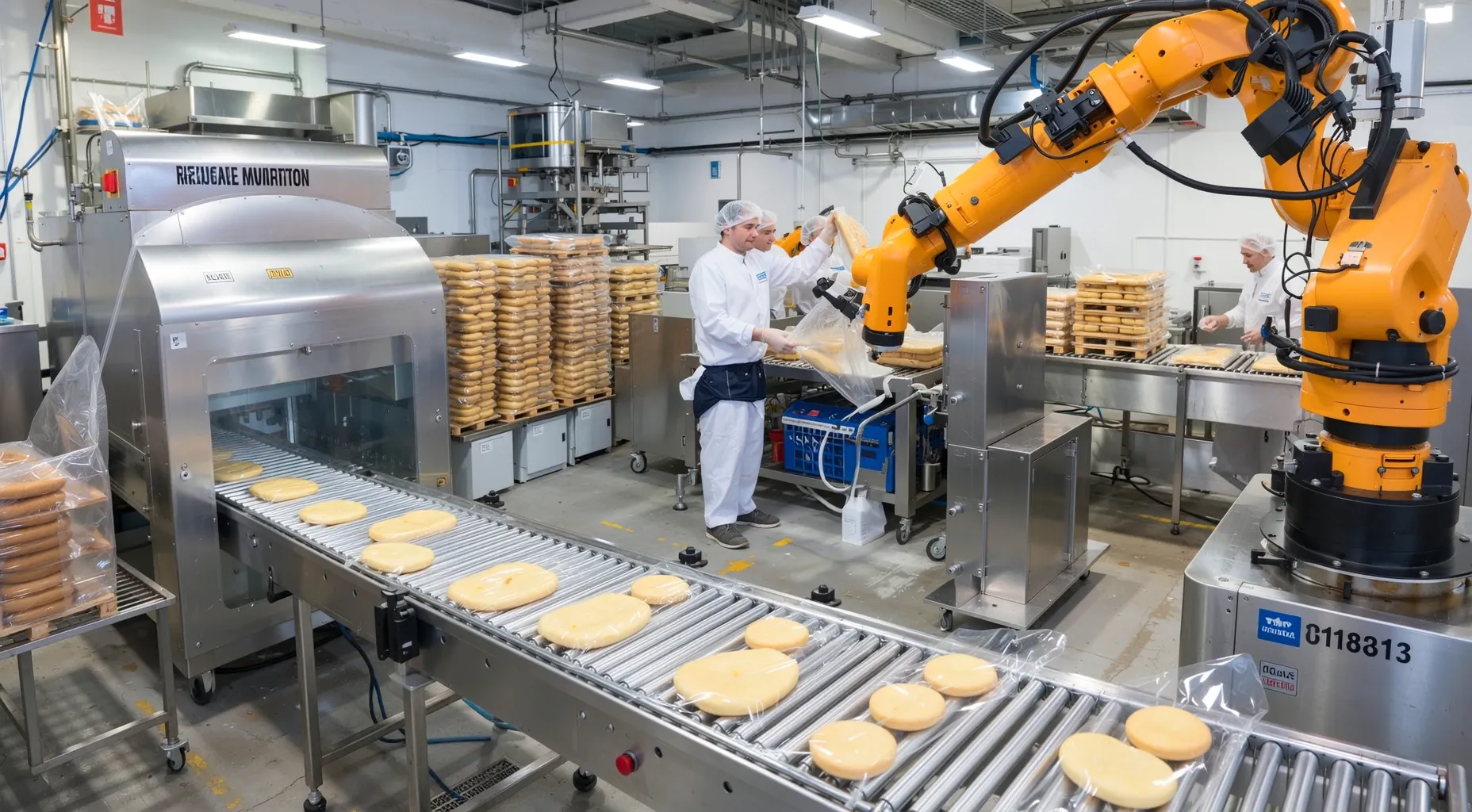
冷凍ケーキ、パイ、その他の製菓製造
Description
このNAICSコードに分類される施設は、パンを除く、すぐに食べられる冷凍製菓商品を製造することに特化しており、食品製造セクター内で明確な市場セグメントを形成しています。これらの施設は、ケーキ、パイ、タルト、その他の製菓商品を大量消費または商業流通向けに製造および冷凍することに重点を置いています。典型的なビジネス活動には、大規模な生地の準備、正確な焼きサイクル、プレカット製品用の自動充填、品質を維持するための急速な冷凍、および輸送中の完全性を維持するための厳格な包装が含まれます。オペレーターは、全国チェーンに供給する大規模な工業用製菓工場から、地域小売店にサービスを提供するより小さな地域生産者まで、さまざまです。これらの事業の範囲は、原材料の調達から最終製品のラベル付けまで、すべての側面を管理するフルサービスオペレーションから、特定のブランドの要件のために請負製造までをカバーします。生産量は大きく異なり、大規模な工場は、全国の需要を満たすために毎日数千個の単位を生産できる一方で、より小さなユニットは、ニッチなフレーバーまたは地域的な嗜好に焦点を当てています。この業界は、乳製品、小麦粉、果物などの、腐敗しやすい原材料の安定したサプライチェーンに大きく依存しています。冷凍食品の性質上、食品安全基準に関する規制遵守は、主要な運営上の焦点です。このセクターは、利便性を求める消費者と、小売店や年間を通して開催されるイベント向けの信頼性の高い、高品質な製菓製品を必要とする食品サービス事業者にサービスを提供しています。
Hierarchy
| Code | Title | Description |
|---|---|---|
| 31 | 製造 2-digit sector | セクター全体 製造セクターは、材料、物質、またはコンポーネントを新しい製品に機械的、物理的、または化学的に変換する事業を包含します。 製造業におけるコンポーネントの組み立ては、活動が適切にセクター23、建設に分類されている場合を除き、製造とみなされます。 製造セクターの事業所は、通常、工場、工場、または工場と見なされ、電力駆動の機械と材料ハンドリング機器を使用します。 ただし、手または労働者の自宅で材料または物質を新しい製品に変換し、または、販売する場所から販売する製品を製造し、販売する場所から販売する製品を製造する事業所(例:パン屋、キャンディー店、カスタムテーラー)もこのセクターに含めることができます。 製造事業所は、材料を加工するか、または他の事業所に材料を加工してもらうことを契約として行うことができます。 両方のタイプの事業所は、製造事業所に含まれます。 製造セクターの特定の産業は、他の事業所に材料を加工する契約または手数料に基づいて処理する事業所のみで構成されています。 これらの専用の製造事業を除いて、他の事業所に材料を加工する事業所は、通常、処理された材料の製造産業に分類されます。 製造事業所によって加工される材料、物質、またはコンポーネントは、農業、林業、漁業、採掘、または採掘の製品である原材料です。 使用される材料は、直接生産者から購入するか、慣習的な貿易チャネルを通じて入手するか、または市場に頼ることなく、別の事業所から転送することができます。 製造事業所の新しい製品は、利用または消費のために完成しているか、または、さらに製造を行う事業所に入力として使用される半完成品である可能性があります。 たとえば、アルミナ精製所の製品は、アルミニウムの主要な生産に使用される入力です。 主要なアルミニウムは、アルミニウムワイヤーを引き込む工場に使用される入力です。 アルミニウムワイヤーは、加工されたワイヤー製品の製造事業所に使用される入力です。 製造セクターのサブセクターは、通常、材料の入力、生産機器、および従業員のスキルに関連する、異なる生産プロセスを反映しています。 機械の分野では、組み立てが重要な活動であるため、製造された製品の部品とアクセサリーは、別売の場合、製造された製品の産業に分類されます。 たとえば、金属加工機械の取り付けは、金属加工機械に分類されます。 ただし、他の製造事業からのコンポーネント入力は、コンポーネントメーカーの生産機能に基づいて分類されます。 たとえば、電子部品は、サブセクター334、コンピュータおよび電子製品製造に分類され、スタンプは、サブセクター332、加工金属製品製造に分類されます。 製造事業所は、NAICSの他のセクターの活動を1つまたは複数で行うことがあります。 たとえば、ほとんどの製造業には、会計、給与、または管理などの、キャプティブな研究開発または管理業務が含まれています。 これらのキャプティブサービスは、他のキャプティブ製造活動と同じように扱われます。 サービスが別の事業所によって提供される場合、それらは、そのようなサービスが主要なセクターであるNAICSセクターに分類されます。 製造業と、分類システムの他のセクターの境界は、ある程度曖昧です。 製造セクターの事業所は、材料を新しい製品に変換する事業を営んでいます。 彼らの出力は、新しい製品です。 ただし、何が新しい製品と見なされるかの定義は、ある程度主観的です。 補足として、NAICSでは、次の活動は製造とみなされます。 <table width=100%><tr><td width=10%> </td><td><dl><dt style='padding-left: 10px; text-indent: -10px;'>牛乳とパンの瓶詰めとパステライゼーション;</dt><dt style='padding-left: 10px; text-indent: -10px;'>水とパンの瓶詰めと処理;</dt><dt style='padding-left: 10px; text-indent: -10px;'>新鮮な魚の包装(牡蠣<br/>の剥き身、魚のフィレ);</dt><dt style='padding-left: 10px; text-indent: -10px;'>衣料品の仕事(材料を別工場または店に割り当てる<br/>、または、生地またはその他の契約<br/>作業のために;</dt><dt style='padding-left: 10px; text-indent: -10px;'>印刷と関連活動;</dt><dt style='padding-left: 10px; text-indent: -10px;'>プレミックスコンクリートの生産;</dt><dt style='padding-left: 10px; text-indent: -10px;'>革の変換;</dt><dt style='padding-left: 10px; text-indent: -10px;'>レンズの研磨<br/>処方;</dt><dt style='padding-left: 10px; text-indent: -10px;'>木材の保存;</dt><dt style='padding-left: 10px; text-indent: -10px;'>石工の仕事;</dt></dl></td><td width=10%> </td><td><dl><dt style='padding-left: 10px; text-indent: -10px;'>電気めっき、めっき、金属<br/>熱処理、および<br/>研磨;</dt><dt style='padding-left: 10px; text-indent: -10px;'>看板と<br/>広告ディスプレイの製造;</dt><dt style='padding-left: 10px; text-indent: -10px;'>機械の再構築または<br/>リマニュファクチャリング(i.e.<br/>自動車部品);</dt><dt style='padding-left: 10px; text-indent: -10px;'>住宅または<br/>プレファブ建物の製造<br/>、顧客の<br/>現場での組み立て/設置<br/>を含む;</dt><dt style='padding-left: 10px; text-indent: -10px;'>船の修理と改修;</dt><dt style='padding-left: 10px; text-indent: -10px;'>機械ショップ;</dt><dt style='padding-left: 10px; text-indent: -10px;'>タイヤの再舗装。</dt></dl></td><td width=10%> </td></tr></table> 逆に、NAICSでは、製造とみなされるが、製造セクターに分類されない活動があります。 これらには、次のものが含まれます。 1. 11セクター、農業、林業、漁業および狩猟に分類される、木材の伐採は、収穫作業です。 2. 21セクター、鉱業、採掘および石油・ガス採掘に分類される、鉱物およびその他の鉱物の加工は、鉱業の活動の一部です。 3. 23セクター、建設に分類される、構造物の建設、プレファブ建物の組み立て、および建設現場での契約者の製造は、建設活動です。 4. 小分けの販売、包装、リパッケージ、または液体または化学製品の瓶詰め、コンピュータのカスタムベースでの組み立てと販売、スクラップのソートと販売、注文に基づいて塗料の混合と販売、顧客向けに金属をカットして販売する、42セクター、卸売取引、または44〜45セクター、小売取引に分類されます。 5. 出版と、出版と印刷の複合活動は、情報が製品として変換され、その価値は情報の内容にあるのではなく、配布形式にあるため、51セクター、情報に分類されます。 |
| 311 | 食品製造 3-digit subsector | 食品製造セクターの産業は、家畜および農業製品を中間または最終消費製品に変換します。 この産業は、一般的に動物または植物の起源の原材料で区別されます。 これらの事業所で製造される食品は、通常、消費者に配布するために、卸売業者または小売業者に販売されますが、場所でパンやキャンディーを製造し、消費のために販売しない事業所もこのセクターに含まれます。 飲料の製造は、312セクター、飲料およびタバコ製品製造に分類されます。 |
| 3118 | パンとタルト製造 4-digit industry group | この産業グループは、次のいずれかの事業を包含しています(1)新鮮なパンおよびその他のパン製品の製造;(2)パンおよびその他のパン製品の小売、これは、小麦から製造され、消費のためにすぐに販売しない;(3)クッキー、クラッカー、および乾燥パスタの製造;(4)小麦粉から製造されたパンミキスの製造;または(5)トルティーヤの製造。 |
| 31181 | パンとパン製品の製造 5-digit NAICS industry | この産業は、新鮮なパンおよび冷凍パン製品の製造を包含しています。 |
| 311813 | 冷凍ケーキ、パイ、その他の製菓製造 6-digit U.S. detail | このNAICSコードに分類される施設は、パンを除く、すぐに食べられる冷凍製菓商品を製造することに特化しており、食品製造セクター内で明確な市場セグメントを形成しています。これらの施設は、ケーキ、パイ、タルト、その他の製菓商品を大量消費または商業流通向けに製造および冷凍することに重点を置いています。典型的なビジネス活動には、大規模な生地の準備、正確な焼きサイクル、プレカット製品用の自動充填、品質を維持するための急速な冷凍、および輸送中の完全性を維持するための厳格な包装が含まれます。オペレーターは、全国チェーンに供給する大規模な工業用製菓工場から、地域小売店にサービスを提供するより小さな地域生産者まで、さまざまです。これらの事業の範囲は、原材料の調達から最終製品のラベル付けまで、すべての側面を管理するフルサービスオペレーションから、特定のブランドの要件のために請負製造までをカバーします。生産量は大きく異なり、大規模な工場は、全国の需要を満たすために毎日数千個の単位を生産できる一方で、より小さなユニットは、ニッチなフレーバーまたは地域的な嗜好に焦点を当てています。この業界は、乳製品、小麦粉、果物などの、腐敗しやすい原材料の安定したサプライチェーンに大きく依存しています。冷凍食品の性質上、食品安全基準に関する規制遵守は、主要な運営上の焦点です。このセクターは、利便性を求める消費者と、小売店や年間を通して開催されるイベント向けの信頼性の高い、高品質な製菓製品を必要とする食品サービス事業者にサービスを提供しています。 |
Need a supply chain stack that maps to this industry?
Use this NAICS classification as the starting point, then connect it to Item workflows across inventory, warehousing, order management, fulfillment, and transportation.
Classification References
- 01製パン(冷凍パンを除く)--はU.S.産業311812、商業パン工場に分類されます。
- 02敷地内で製造された、消費を目的としないパンやパン製品(小麦粉から製造されたもの)の小売--はU.S.産業311811、小売パン工場に分類されます。
- 03パン(例:クッキー、プレッツェル)などのパン製品の準備と販売(即時消費用)--はU.S.産業722515、スナックおよびアルコールを含まない飲料バーに分類されます。
- 04クッキーおよびクラッカーの製造--はU.S.産業311821、クッキーおよびクラッカー製造に分類されます。
- 05敷地外で製造されたパン製品の小売--はU.S.産業445291、焼き菓子小売店に分類されます。
Index Items
焼き菓子(パンを除く、パンのようなロール)、冷凍、製造
ケーキ、冷凍、製造
クロッフル、冷凍、商業パン工場で製造
デザート、冷凍パン、製造
ドーナツ、冷凍、製造
冷凍ケーキ製造
キッシュ、冷凍、製造
パイ、冷凍、製造
甘いパン製品、冷凍、製造
How Item Can Help
The Warehouse Management System optimizes the cold storage requirements for frozen pastries while streamlining inventory tracking for short shelf-life items.
The Order Management System ensures accurate fulfillment of customer demand for seasonal products like pumpkin pies by integrating real-time inventory data.
Data Intelligence analyzes sales trends to predict demand fluctuations, allowing manufacturers to adjust production schedules and reduce waste during peak seasons.
Item.com Tools
External Resources
Census.gov NAICS Detail
Official US Census Bureau definition and scope for NAICS 311813.
National Pastry Association
Trade association representing the frozen bakery industry with resources on trends and regulations
US Department of Agriculture Food Safety and Inspection Service
Government page providing official data, inspection standards, and consumer information for this NAICS sector
NAICS Reference Index: Frozen Cakes, Pies, and Other Pastries Manufacturing
Census Bureau directory defining industry categories and linking to detailed economic data for this manufacturing sector
