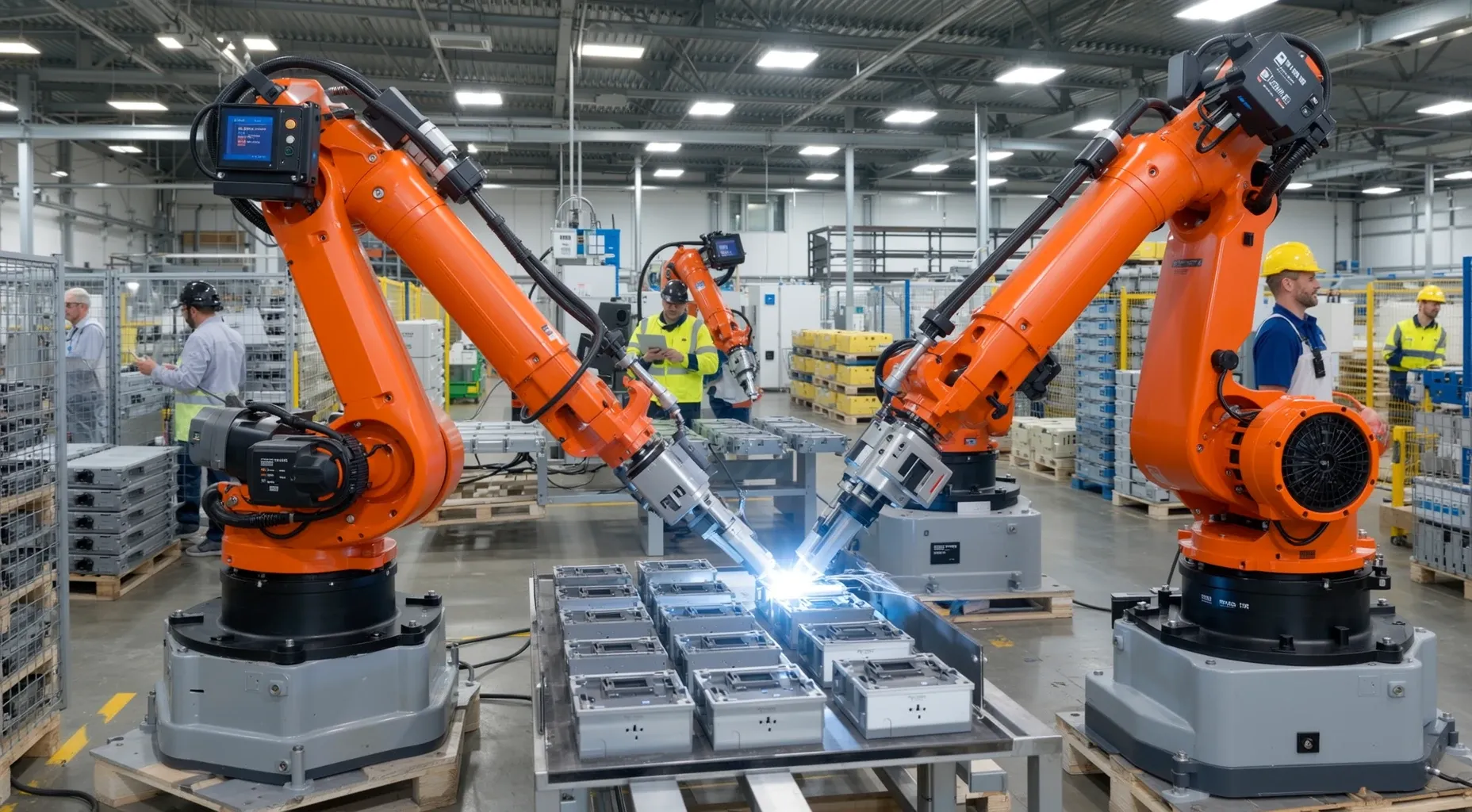
非電流輸送用配線装置の製造
Description
この米国の産業は、主に非電流輸送用配線装置の製造に従事する事業所で構成されています。 例: 電気配線(例:ジャンクションボックス、コンセント、スイッチ)、製造 配管と継手、電気、製造 フェイスプレート(例:コンセントまたはスイッチカバー)の製造 送電柱と線ハードウェアの製造
Hierarchy
| Code | Title | Description |
|---|---|---|
| 33 | 製造 2-digit sector | セクター全体の説明 製造セクターは、材料、物質、またはコンポーネントを新しい製品に機械的、物理的、または化学的に変換する事業を包含します。 製造製品のコンポーネントの組み立ては、活動が適切にセクター23、建設に分類されている場合を除き、製造とみなされます。 製造セクターの事業所は、通常、工場、工場、または工場と見なされ、電力駆動の機械や材料ハンドリング機器を使用します。 ただし、手動または作業者の自宅で材料または物質を新しい製品に変換したり、販売のために同じ場所から販売する製品(例:パン屋、キャンディーショップ、カスタムテーラー)を製造し、販売する事業もこのセクターに含まれる場合があります。 製造事業所は、材料を加工したり、他の事業所に材料を加工してもらう契約をしたりすることができます。 両方のタイプの事業所は、製造事業所に含まれます。 製造セクターの特定の産業は、他の事業所に材料を加工する契約またはフィーベースで活動する事業所のみで構成されています。 これらの専用の製造事業を除いて、材料を他の事業所に加工する事業所は、通常、加工された材料の製造産業に分類されます。 製造事業所が加工する材料、物質、またはコンポーネントは、農業、林業、漁業、採掘、または採掘の製品である原材料です。 使用される材料は、直接生産者から購入したり、慣習的な貿易チャネルを通じて入手したり、市場に頼ることなく、事業所間で転送したりすることができます。 製造事業所の新しい製品は、利用または消費のために完成しているか、または、さらに製造を行う事業の入力として半完成品である可能性があります。 たとえば、アルミナ精製所の製品は、アルミニウムの主要な生産に使用される入力です。 主要なアルミニウムは、アルミニウムワイヤーの製造工場に使用される入力です。 アルミニウムワイヤーは、製造されたワイヤー製品の製造事業に使用される入力です。 製造セクターのサブセクターは、通常、材料の入力、生産機器、および従業員のスキルに関連する、異なる生産プロセスを反映しています。 機械の分野では、組み立てが重要な活動であるため、製造製品の部品やアクセサリーは、別売りの場合に、完成品の産業に分類されます。 たとえば、金属加工機械のアタッチメントは、金属加工機械に分類されます。 ただし、他の製造事業からのコンポーネントは、コンポーネントメーカーの生産機能に基づいて分類されます。 たとえば、電子部品は、セクター334、コンピュータおよび電子製品製造に分類され、スタンプは、セクター332、鍛造金属製品製造に分類されます。 製造事業所は、NAICSの他のセクターで分類される、1つまたは複数の活動を実行することがよくあります。 たとえば、ほとんどの製造業には、会計、給与、または管理などの、キャプティブな研究開発または管理業務が含まれています。 これらのキャプティブサービスは、別個の事業で提供される場合、製造業ではなく、NAICSセクターで分類されます。 製造セクターと、分類システムの他のセクターの境界は、ある程度曖昧です。 製造セクターの事業所は、材料を新しい製品に変換する事業を営んでいます。 彼らの出力は、新しい製品です。 ただし、何が新しい製品と見なされるかの定義は、ある程度主観的です。 そのため、NAICSでは、次の活動は製造と見なされます。 <table width=100%><tr><td width=10%> </td><td><dl><dt style='padding-left: 10px; text-indent: -10px;'>牛乳の瓶詰めと殺菌;</dt><dt style='padding-left: 10px; text-indent: -10px;'>水の瓶詰めと処理;</dt><dt style='padding-left: 10px; text-indent: -10px;'>新鮮な魚の包装(牡蠣<br/>の剥き身、魚のフィレ);</dt><dt style='padding-left: 10px; text-indent: -10px;'>アパレルのジョブビイング(材料を別個の工場または店に割り当てること、または材料を所有する他の事業者に委託することを含む、生地の製造またはその他の契約業務);</dt><dt style='padding-left: 10px; text-indent: -10px;'>印刷および関連活動;</dt><dt style='padding-left: 10px; text-indent: -10px;'>プレミックスコンクリートの生産;</dt><dt style='padding-left: 10px; text-indent: -10px;'>革の変換;</dt><dt style='padding-left: 10px; text-indent: -10px;'>レンズの研磨<br/>処方;</dt><dt style='padding-left: 10px; text-indent: -10px;'>木材の保存;</dt><dt style='padding-left: 10px; text-indent: -10px;'>石工の仕事(貿易用);</dt></dl></td><td width=10%> </td><td><dl><dt style='padding-left: 10px; text-indent: -10px;'>電気めっき、めっき、金属<br/>熱処理、および<br/>研磨(貿易用);</dt><dt style='padding-left: 10px; text-indent: -10px;'>看板および広告ディスプレイの製造;</dt><dt style='padding-left: 10px; text-indent: -10px;'>機械の再構築またはリマニュファクチャリング(例:自動車部品);</dt><dt style='padding-left: 10px; text-indent: -10px;'>住宅またはプレファブ建物の製造(例:モバイルホーム)、顧客の現場での組み立て/設置を含む;</dt><dt style='padding-left: 10px; text-indent: -10px;'>船の修理および改修;</dt><dt style='padding-left: 10px; text-indent: -10px;'>機械ショップ;</dt><dt style='padding-left: 10px; text-indent: -10px;'>タイヤの再舗装。</dt></dl></td><td width=10%> </td></tr></table> 逆に、NAICSでは、製造と見なされるが、製造セクターに分類されない活動も存在します。 これらには以下が含まれます。 1. 森林業、セクター11、農業、林業、漁業および狩猟に分類される、収穫活動です。 2. 鉱業、セクター21、採掘、石油およびガス抽出に分類される、鉱物およびその他の鉱物の加工は、鉱業の活動の一部です。 3. 構造物の建設、プレファブ建物の組み立て、および建設現場での契約業者のによる製造は、セクター23、建設に分類されます。 4. 小さな量での分割と販売、製品の包装、リパッケージ、または瓶詰め(例:アルコールや化学薬品)、コンピュータのカスタムベースでの組み立てと販売、スクラップの分類と販売、注文に基づいて塗料を混合して販売、顧客向けに金属をカットして販売することは、セクター42、卸売貿易、またはセクター44-45、小売貿易に分類されます。 5. 出版および出版と印刷の活動の組み合わせは、セクター51、情報に分類され、情報は、情報の内容ではなく、配布形式で製品に変換されます(例:書籍またはソフトウェアのコンパクトディスク)。 |
| 335 | 電気機器、家電製品、および部品の製造 3-digit subsector | 電気機器、家電製品、および部品のサブセクターは、電気エネルギーを生成、配布、および使用する製品を製造する事業を包含します。 電気照明機器の製造事業は、照明器具、電球、および部品(ガラス部品とLEDを除く)およびその他の照明機器を製造します。 家電製品の製造事業は、小型および大型の電気機器および部品を製造します。 電気機器の製造事業は、電気モーター、発電機、トランス、およびスイッチギア装置などの製品を製造します。 その他の電気機器および部品の製造事業は、電気エネルギーを貯蔵するためのデバイス(例:バッテリー)、電気を伝送するための装置(例:絶縁ワイヤ)、および配線装置(例:コンセント、配線箱、および照明スイッチ)を製造します。 |
| 3359 | 配線装置の製造 4-digit industry group | この産業グループは、現在の電流を伝送する配線装置および電気回路用の非電流を伝送する配線装置を製造する事業を包含します。 |
| 33593 | 配線装置の製造 5-digit NAICS industry | この産業は、現在の電流を伝送する配線装置および電気回路用の非電流を伝送する配線装置を製造する事業を包含します。 |
| 335932 | 非電流輸送用配線装置の製造 6-digit U.S. detail | この米国の産業は、主に非電流輸送用配線装置の製造に従事する事業所で構成されています。 例: 電気配線(例:ジャンクションボックス、コンセント、スイッチ)、製造 配管と継手、電気、製造 フェイスプレート(例:コンセントまたはスイッチカバー)の製造 送電柱と線ハードウェアの製造 |
Need a supply chain stack that maps to this industry?
Use this NAICS classification as the starting point, then connect it to Item workflows across inventory, warehousing, order management, fulfillment, and transportation.
Classification References
- 01磁器およびセラミック絶縁体の製造--は、産業327110、陶器、セラミックおよび配管器具の製造に分類されます。
- 02電流を伝送するワイヤデバイスの製造--は、米国産業335931、電流を伝送するワイヤデバイスの製造に分類されます。
- 03ガラス絶縁体の製造--は、産業32721、ガラスおよびガラス製品の製造に分類されます。
Index Items
ボックス、電気配線(例:ジャンクション、コンセント、スイッチ)、製造
コンジットおよびフィッティング、電気、製造
電気金属管(EMT)製造
EMT(電気金属管)製造
フェイスプレート(例:コンセントまたはスイッチカバー)製造
ハードウェア、送電柱および線、製造
絶縁体、電気(ガラス、磁器を除く)、製造
ジャンクションボックス、電気配線、製造
アウトレットボックス、電気配線、製造
プレート(例:コンセントまたはスイッチカバー)、フェイス、製造
レーセウェイ製造
スイッチボックス、電気配線、製造
送電柱および線ハードウェア製造
How Item Can Help
Optimizes storage of diverse wiring devices like coaxial and twisted pair components while ensuring strict inventory accuracy for just-in-time manufacturing needs.
Streamlines order fulfillment for large, complex B2B contracts with specialized cable assemblies by coordinating warehouse picking and shipping logic automatically.
Identifies supply chain bottlenecks in raw material sourcing or component fabrication to prevent production delays before they impact the manufacturing schedule.
Item.com Tools
External Resources
Census.gov NAICS Detail
Official US Census Bureau definition and scope for NAICS 335932.
National Cable & Telecommunications Association
Primary trade association advocating for the telecommunications and electrical components industry.
U.S. Census Bureau Industry Data
Official government page providing detailed NAICS code definitions and manufacturing statistics.
Electrical Components Directory
Industry resource for manufacturers of electrical supplies and wiring devices.
