屋根、壁材、断熱材の卸売業者
Description
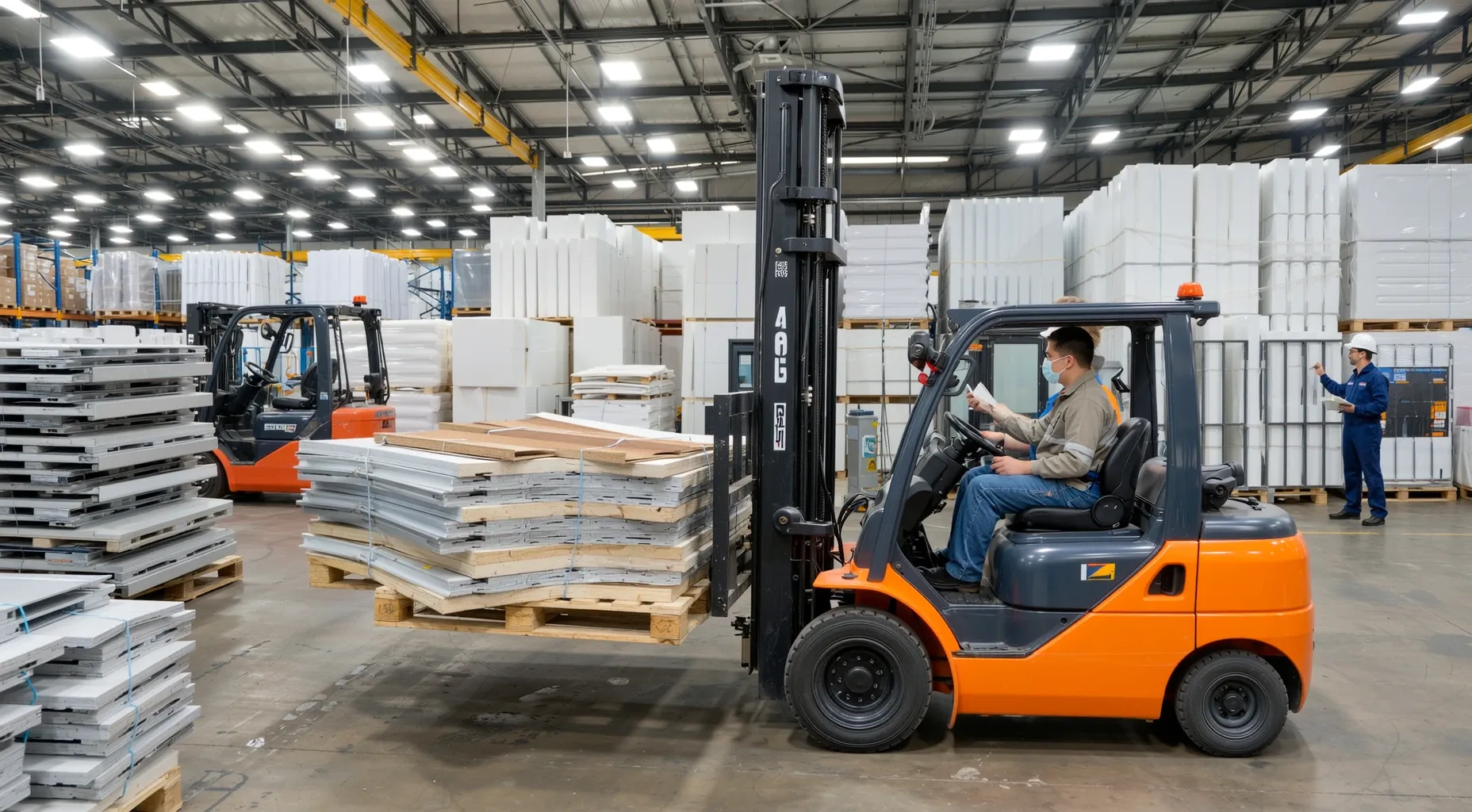
屋根、壁材、および断熱材の卸売業者は、建設サプライチェーンにおいて、重要な建材をさまざまな業界の企業に調達および供給する上で重要な役割を果たしています。これらの企業は、アスファルト製の屋根材、木目調の複合壁材、および幅広いグラスファイバーまたはセルロース製の断熱材などの木材以外の製品に焦点を当てています。主な事業活動は、メーカーから大量の原材料または完成品を購入し、販売する前に保管することです。これは、エンド消費者ではなく、他の企業に販売することを目的としています。典型的なオペレーターには、独立した地域ディストリビューター、大規模な全国企業、および複数の場所を持つチェーンストアが含まれており、これらの企業は、さまざまな製品ラインで大量の在庫を管理しています。多くの企業は特定の地域に特化しており、これにより、地域の建築基準と気候要件に適応し、材料の選択を決定することができます。通常、これらの企業は数百平方フィートの倉庫スペースと、迅速な注文処理を可能にする広範な積み下ろし施設を運営しています。これらの企業は、住宅建設業者、商業請負業者、および専門的な改修業者に高品質の材料を確実に提供するため、建設プロジェクト全体で不可欠です。これらの卸売業者のネットワークがない場合、工場から現場への耐久性のある製品の流れは大幅に妨げられ、建設経済全体で遅延とコストが増加します。
Hierarchy
| Code | Title | Description |
|---|---|---|
| 42 | Wholesale Trade 2-digit sector | The Sector as a Whole The Wholesale Trade sector comprises establishments engaged in wholesaling merchandise, generally without transformation, and rendering services incidental to the sale of merchandise. The merchandise described in this sector includes the outputs of agriculture, mining, manufacturing, and certain information industries, such as publishing. The wholesaling process is an intermediate step in the distribution of merchandise. Wholesalers are organized to sell or arrange the purchase or sale of (a) goods for resale (i.e., goods sold to other wholesalers or retailers), (b) capital or durable nonconsumer goods, and (c) raw and intermediate materials and supplies used in production. Wholesalers sell merchandise to other businesses and normally operate from a warehouse or office. These warehouses and offices are characterized by having little or no display of merchandise. In addition, neither the design nor the location of the premises is intended to solicit walk-in traffic. Wholesalers do not normally use advertising directed to the general public. Customers are generally reached initially via telephone, in-person marketing, or by specialized advertising that may include Internet and other electronic means. Follow-up orders are either vendor-initiated or client-initiated, generally based on previous sales, and typically exhibit strong ties between sellers and buyers. In fact, transactions are often conducted between wholesalers and clients that have long-standing business relationships. This sector comprises two main types of wholesalers: merchant wholesalers that sell goods on their own account and agents and brokers that arrange sales and purchases for others generally for a commission or fee. (1) Establishments that sell goods on their own account are known as wholesale merchants, distributors, jobbers, drop shippers, and import/export merchants. Also included as wholesale merchants are sales offices and sales branches (but not retail stores) maintained by manufacturing, refining, or mining enterprises apart from their plants or mines for the purpose of marketing their products, and group purchasing organizations primarily purchasing and selling goods on their own account. Merchant wholesale establishments typically maintain their own warehouse, where they receive and handle goods for their customers. Goods are generally sold without transformation, but may include integral functions, such as sorting, packaging, labeling, and other marketing services. (2) Establishments arranging for the purchase or sale of goods owned by others or purchasing goods, generally on a commission basis are known as business-to-business electronic markets, agents and brokers, commission merchants, import/export agents and brokers, auction companies, group purchasing organizations (acting as agents), and manufacturers' representatives. These establishments operate from offices and generally do not own or handle the goods they sell. Some wholesale establishments may be connected with a single manufacturer and promote and sell the particular manufacturer's products to a wide range of other wholesalers or retailers. Other wholesalers may be connected to a retail chain, or limited number of retail chains, and only provide a variety of products needed by that particular retail operation(s). These wholesalers may obtain the products from a wide range of manufacturers. Still other wholesalers may not take title to the goods, but act as agents and brokers for a commission. Although, in general, wholesaling normally denotes sales in large volumes, durable nonconsumer goods may be sold in single units. Sales of capital or durable nonconsumer goods used in the production of goods and services, such as farm machinery, medium- and heavy-duty trucks, and industrial machinery, are always included in wholesale trade. |
| 423 | Merchant Wholesalers, Durable Goods 3-digit subsector | Industries in the Merchant Wholesalers, Durable Goods subsector sell capital or durable goods to other businesses. Merchant wholesalers generally take title to the goods that they sell; in other words, they buy and sell goods on their own account. Durable goods are new or used items generally with a normal life expectancy of three years or more. Durable goods merchant wholesale trade establishments are engaged in wholesaling products, such as motor vehicles, furniture, construction materials, machinery and equipment (including household-type appliances), metals and minerals (except petroleum), sporting goods, toys and hobby goods, recyclable materials, and parts. Agents and brokers primarily engaged in wholesaling durable goods, generally on a commission or fee basis, are classified in Subsector 425, Wholesale Trade Agents and Brokers. |
| 4233 | Lumber and Other Construction Materials Merchant Wholesalers 4-digit industry group | This industry group comprises establishments primarily engaged in the merchant wholesale distribution of lumber, plywood, millwork, and wood panels; brick, stone, and related construction materials; roofing, siding, and insulation materials; and other construction materials, including manufactured homes (i.e., mobile homes) and/or prefabricated buildings. |
| 42333 | Roofing, Siding, and Insulation Material Merchant Wholesalers 5-digit NAICS industry | This industry group comprises establishments primarily engaged in the merchant wholesale distribution of roofing materials, siding materials, and insulation materials. |
| 423330 | 屋根、壁材、断熱材の卸売業者 6-digit U.S. detail | 屋根、壁材、および断熱材の卸売業者は、建設サプライチェーンにおいて、重要な建材をさまざまな業界の企業に調達および供給する上で重要な役割を果たしています。これらの企業は、アスファルト製の屋根材、木目調の複合壁材、および幅広いグラスファイバーまたはセルロース製の断熱材などの木材以外の製品に焦点を当てています。主な事業活動は、メーカーから大量の原材料または完成品を購入し、販売する前に保管することです。これは、エンド消費者ではなく、他の企業に販売することを目的としています。典型的なオペレーターには、独立した地域ディストリビューター、大規模な全国企業、および複数の場所を持つチェーンストアが含まれており、これらの企業は、さまざまな製品ラインで大量の在庫を管理しています。多くの企業は特定の地域に特化しており、これにより、地域の建築基準と気候要件に適応し、材料の選択を決定することができます。通常、これらの企業は数百平方フィートの倉庫スペースと、迅速な注文処理を可能にする広範な積み下ろし施設を運営しています。これらの企業は、住宅建設業者、商業請負業者、および専門的な改修業者に高品質の材料を確実に提供するため、建設プロジェクト全体で不可欠です。これらの卸売業者のネットワークがない場合、工場から現場への耐久性のある製品の流れは大幅に妨げられ、建設経済全体で遅延とコストが増加します。 |
Need a supply chain stack that maps to this industry?
Use this NAICS classification as the starting point, then connect it to Item workflows across inventory, warehousing, order management, fulfillment, and transportation.
Classification References
- 01主に木材屋根材および木材サイディングの卸売流通に従事する事業所は、Industry 423310、木材、合板、木工製品および木製パネル卸売業者に分類されます。
Index Items
アスファルトシートおよびコーティングの卸売業者
アスファルト屋根材の卸売業者
セラミックおよび粘土屋根材の卸売業者
雨樋の卸売業者
屋根、建物の(木材を除く)、卸売業者
雨どいおよび排水管(木材を除く)の卸売業者
住宅用断熱材の卸売業者
断熱材(木材を除く)の卸売業者
屋根材(木材を除く)の卸売業者
シートメタル屋根材の卸売業者
屋根材(木材を除く)の卸売業者
サイディング(木材を除く)の卸売業者
屋根、建物の(木材を除く)、卸売業者
太陽光反射フィルムの卸売業者
防音材の卸売業者
アスファルトシートの卸売業者
住宅用断熱材の卸売業者
ビニールサイディングの卸売業者
気密材の卸売業者
How Item Can Help
Advanced data analytics predict material usage trends and supply chain disruptions, allowing businesses to proactively adjust inventory levels and secure better supplier pricing for critical components.
External Resources
Census.gov NAICS Detail
Official US Census Bureau definition and scope for NAICS 423330.
National Roofing Contractors Association
A major industry association representing roofing contractors that provides educational resources and standards for the roofing sector.
U.S. Census Bureau Industry Classification System
The official federal database providing detailed definitions and data for the roofing material wholesale industry under NAICS code 423330.
Roofers Direct Industry Directory
An extensive industry resource listing verified roofing contractors, suppliers, and manufacturers with contact details.
