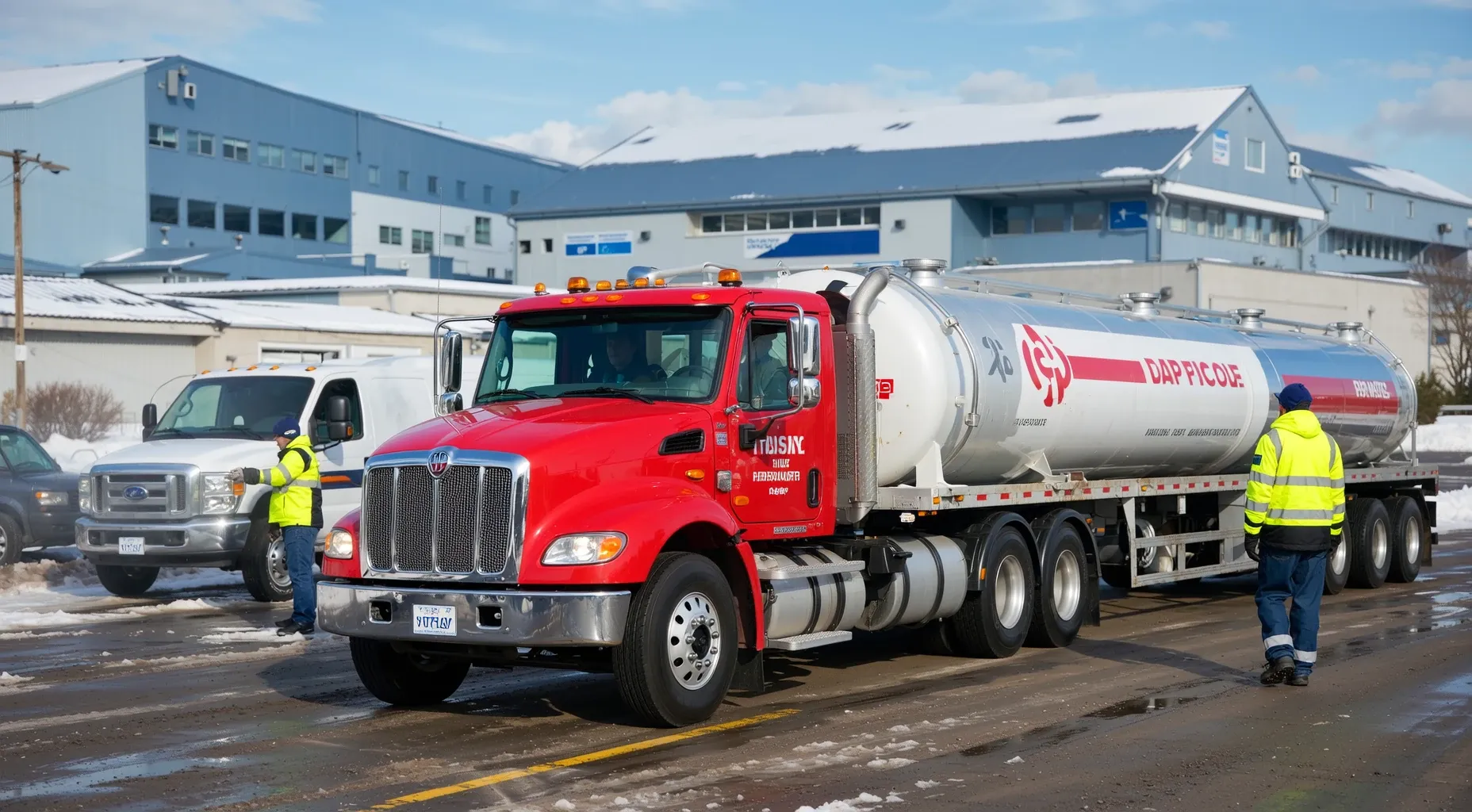
Distribuidores de Combustibles
Description
Los distribuidores de combustibles operan principalmente estaciones dedicadas a la venta minorista de aceite de calefacción, gas licuado de petróleo y otros combustibles especializados directamente a clientes residenciales o comerciales. Estas empresas se centran en gran medida en modelos de venta directa, a menudo utilizando servicios de entrega a domicilio para transportar productos líquidos o gaseosos a las ubicaciones de sus clientes cuando la entrega a granel no es práctica de inmediato. Las actividades comerciales típicas incluyen el mantenimiento de tanques de almacenamiento especializados, la gestión de la logística de entrega con remolques o camiones y la prestación de servicios de instalación o mantenimiento para tanques de combustible. Los operadores dentro de este sector van desde pequeñas empresas familiares de propiedad local hasta cadenas regionales más grandes que gestionan múltiples estaciones en áreas geográficas específicas. La mayoría de las operaciones funcionan de forma estacional, con la demanda en su punto máximo durante los meses más fríos cuando los hogares necesitan aceite de calefacción o propano para el confort invernal. La escala de estas empresas varía ampliamente, con algunas que sirven solo a un vecindario mientras que otras cubren todo un condado o estado. Una característica definitoria de esta industria es la necesidad de adherirse estrictamente a las normas de seguridad debido a la naturaleza inflamable de sus productos. Por lo tanto, muchos distribuidores deben navegar por requisitos de licencia complejos y obtener los permisos necesarios para operar legalmente. A pesar de la naturaleza estacional de la demanda, estas empresas desempeñan un papel crucial en la infraestructura energética local, garantizando que las comunidades tengan acceso fiable a combustible para calefacción durante todo el año. Su modelo de negocio se basa en relaciones de clientes recurrentes construidas sobre la confianza y la entrega de servicios consistentes.
Hierarchy
| Code | Title | Description |
|---|---|---|
| 45 | Comercio al por menor 2-digit sector | El Sector en su conjunto El sector del Comercio al por menor comprende establecimientos principalmente dedicados a la venta de mercancías, generalmente sin transformación, y a la prestación de servicios incidentales a la venta de mercancías. El proceso de venta es el último paso en la distribución de mercancías; los minoristas están, por lo tanto, organizados para vender mercancías en pequeñas cantidades al público en general. Las tiendas minoristas son ubicaciones fijas de venta, ubicadas y diseñadas para atraer un alto volumen de clientes que visitan el lugar. En general, las tiendas minoristas tienen exhibiciones extensas de mercancías y utilizan publicidad en medios masivos para atraer a los clientes. Los minoristas a menudo alcanzan a los clientes y comercializan la mercancía utilizando métodos además de, o en combinación con, las tiendas físicas, como sitios web, la transmisión de "infomerciales", la transmisión y publicación de publicidad de respuesta directa, la publicación de catálogos en papel y electrónicos, la prospección puerta a puerta, la demostración en el hogar, la venta desde puestos móviles (vendedores ambulantes, excepto alimentos) y la distribución a través de máquinas expendedoras. Los establecimientos que participan en la venta directa y la entrega a domicilio de productos, como los vendedores de aceite para calefacción doméstica y las rutas de entrega de periódicos, también están incluidos aquí. Los establecimientos minoristas suelen vender mercancías al público en general para el consumo personal o doméstico, pero algunos también sirven a clientes empresariales e institucionales. Estos incluyen minoristas de suministros de oficina, minoristas de ordenadores y software, minoristas de materiales de construcción, minoristas de suministro de fontanería y minoristas de suministro eléctrico. Además de la venta de mercancías, algunos minoristas también participan en la prestación de servicios postventa, como reparación e instalación. Por ejemplo, los concesionarios de automóviles nuevos, los minoristas de electrónica y electrodomésticos y los minoristas de instrumentos musicales y suministros a menudo ofrecen servicios de reparación. En general, los establecimientos que participan en la venta de mercancías y la prestación de servicios postventa se clasifican en este sector. Los establecimientos de comercio minorista se agrupan en industrias y grupos de industrias, normalmente basándose en uno o más de los siguientes criterios: (a) La línea de mercancías o líneas de mercancías que se venden; por ejemplo, los minoristas especializados se distinguen de los minoristas de productos generales. (b) La designación comercial habitual de los establecimientos. Este criterio se aplica en los casos en los que un minorista es bien conocido en la industria y en el público, pero difícil de definir estrictamente en términos de líneas de mercancías que vende; por ejemplo, las farmacias y los grandes almacenes. (c) Los requisitos de recursos humanos en términos de experiencia; por ejemplo, el personal de un concesionario de automóviles requiere conocimientos sobre cuestiones de financiación, registro y licencia, que no son necesarios en otras industrias minoristas. La compra de mercancías para la reventa es una característica de los establecimientos de comercio minorista que los distingue particularmente de los establecimientos en las industrias de agricultura, fabricación y construcción. Por ejemplo, las granjas que venden sus productos en el punto de producción o desde el punto de producción no se clasifican como comercio minorista, sino como agricultura. De manera similar, los establecimientos que fabrican y venden sus productos al público en general no se clasifican como comercio minorista, sino como fabricación. Sin embargo, los establecimientos que participan en actividades de procesamiento incidentales al comercio minorista se clasifican como comercio minorista. Esto incluye los minoristas de bienes ópticos que mecanizan lentes y los minoristas de carne y mariscos que procesan cadáveres en cortes. Los mayoristas también participan en la compra de mercancías para la reventa, pero normalmente no están organizados para atender al público en general. Normalmente operan desde un almacén o oficina, y ni el diseño ni la ubicación de estos locales están diseñados para atraer un alto volumen de clientes que visitan el lugar. Los mayoristas suministran a clientes institucionales, industriales, mayoristas y minoristas; sus operaciones están, por lo tanto, normalmente organizadas para comprar, vender y entregar mercancías en cantidades más grandes. Sin embargo, los minoristas de bienes duraderos no de consumo, como maquinaria agrícola y camiones pesados, también están incluidos en el comercio minorista, incluso si a menudo venden estos productos en unidades individuales. |
| 457 | Estaciones de servicio y distribuidores de combustible 3-digit subsector | Industrias en el subsector de Estaciones de servicio y distribuidores de combustible minoristas de combustibles para automóviles (por ejemplo, gasolina, diésel, gasohol, combustibles alternativos) y aceites para automóviles, sin o en combinación con artículos de tienda de conveniencia; o minoristas de aceite de calefacción, gas licuado (LP) y otros combustibles mediante venta directa (es decir, entrega a domicilio). Las estaciones de servicio tienen equipos especializados para el almacenamiento y la dispensación de combustibles para automóviles. |
| 4572 | Distribuidores de combustible 4-digit industry group | Industrias en el subsector de Estaciones de servicio y distribuidores de combustible minoristas de combustibles para automóviles (por ejemplo, gasolina, diésel, gasohol, combustibles alternativos) y aceites para automóviles, sin o en combinación con artículos de tienda de conveniencia; o minoristas de aceite de calefacción, gas licuado (LP) y otros combustibles mediante venta directa (es decir, entrega a domicilio). Las estaciones de servicio tienen equipos especializados para el almacenamiento y la dispensación de combustibles para automóviles. |
| 45721 | Distribuidores de combustible 5-digit NAICS industry | Ver descripción de la industria para 457210. |
| 457210 | Distribuidores de Combustibles 6-digit U.S. detail | Los distribuidores de combustibles operan principalmente estaciones dedicadas a la venta minorista de aceite de calefacción, gas licuado de petróleo y otros combustibles especializados directamente a clientes residenciales o comerciales. Estas empresas se centran en gran medida en modelos de venta directa, a menudo utilizando servicios de entrega a domicilio para transportar productos líquidos o gaseosos a las ubicaciones de sus clientes cuando la entrega a granel no es práctica de inmediato. Las actividades comerciales típicas incluyen el mantenimiento de tanques de almacenamiento especializados, la gestión de la logística de entrega con remolques o camiones y la prestación de servicios de instalación o mantenimiento para tanques de combustible. Los operadores dentro de este sector van desde pequeñas empresas familiares de propiedad local hasta cadenas regionales más grandes que gestionan múltiples estaciones en áreas geográficas específicas. La mayoría de las operaciones funcionan de forma estacional, con la demanda en su punto máximo durante los meses más fríos cuando los hogares necesitan aceite de calefacción o propano para el confort invernal. La escala de estas empresas varía ampliamente, con algunas que sirven solo a un vecindario mientras que otras cubren todo un condado o estado. Una característica definitoria de esta industria es la necesidad de adherirse estrictamente a las normas de seguridad debido a la naturaleza inflamable de sus productos. Por lo tanto, muchos distribuidores deben navegar por requisitos de licencia complejos y obtener los permisos necesarios para operar legalmente. A pesar de la naturaleza estacional de la demanda, estas empresas desempeñan un papel crucial en la infraestructura energética local, garantizando que las comunidades tengan acceso fiable a combustible para calefacción durante todo el año. Su modelo de negocio se basa en relaciones de clientes recurrentes construidas sobre la confianza y la entrega de servicios consistentes. |
Need a supply chain stack that maps to this industry?
Use this NAICS classification as the starting point, then connect it to Item workflows across inventory, warehousing, order management, fulfillment, and transportation.
Classification References
- 01La venta al por menor de combustibles automotrices en combinación con una tienda de conveniencia o un supermercado de alimentos se clasifica en la Industria 457110, Estaciones de Servicio con Tiendas de Conveniencia;
- 02El funcionamiento de estaciones de servicio o la venta al por menor de combustibles automotrices sin una tienda de conveniencia se clasifica en la Industria 457120, Otras Estaciones de Servicio; y
- 03La distribución mayorista de petróleo y productos derivados de petróleo, incluyendo gas licuado (GLP), con o sin instalaciones de almacenamiento de líquidos a granel, se clasifica en el Grupo de Industria 4247, Mayoristas de Petróleo y Productos Derivados de Petróleo.
Index Items
Combustibles alternativos, venta directa
Distribuidores de gas embotellado, venta directa
Distribuidores de carbón, venta directa
Distribuidores de leña, venta directa
Distribuidores de fuel oil (es decir, calefacción), venta directa
Distribuidores de fuel oil, venta directa
Estaciones de venta al por menor de combustible de aviación, venta para consumo
Distribuidores de gas licuado (GLP), venta directa
How Item Can Help
Fuel Dealers use Item.com's Warehouse Management System to track high-volume inventory levels and manage tank refilling schedules efficiently. The system ensures real-time stock visibility, reducing the risk of shortages at the pump during peak hours.
The Order Management System streamlines the process of handling complex customer orders, from bulk deliveries to single-pump transactions. It automatically prioritizes shipments based on delivery windows, ensuring timely fulfillment without manual intervention.
Transportation Management Systems optimize routes and reduce fuel consumption by planning the most efficient delivery paths for truck fleets. This integration minimizes operational costs while maintaining strict adherence to fuel safety regulations.
