音楽グループとアーティスト
Description
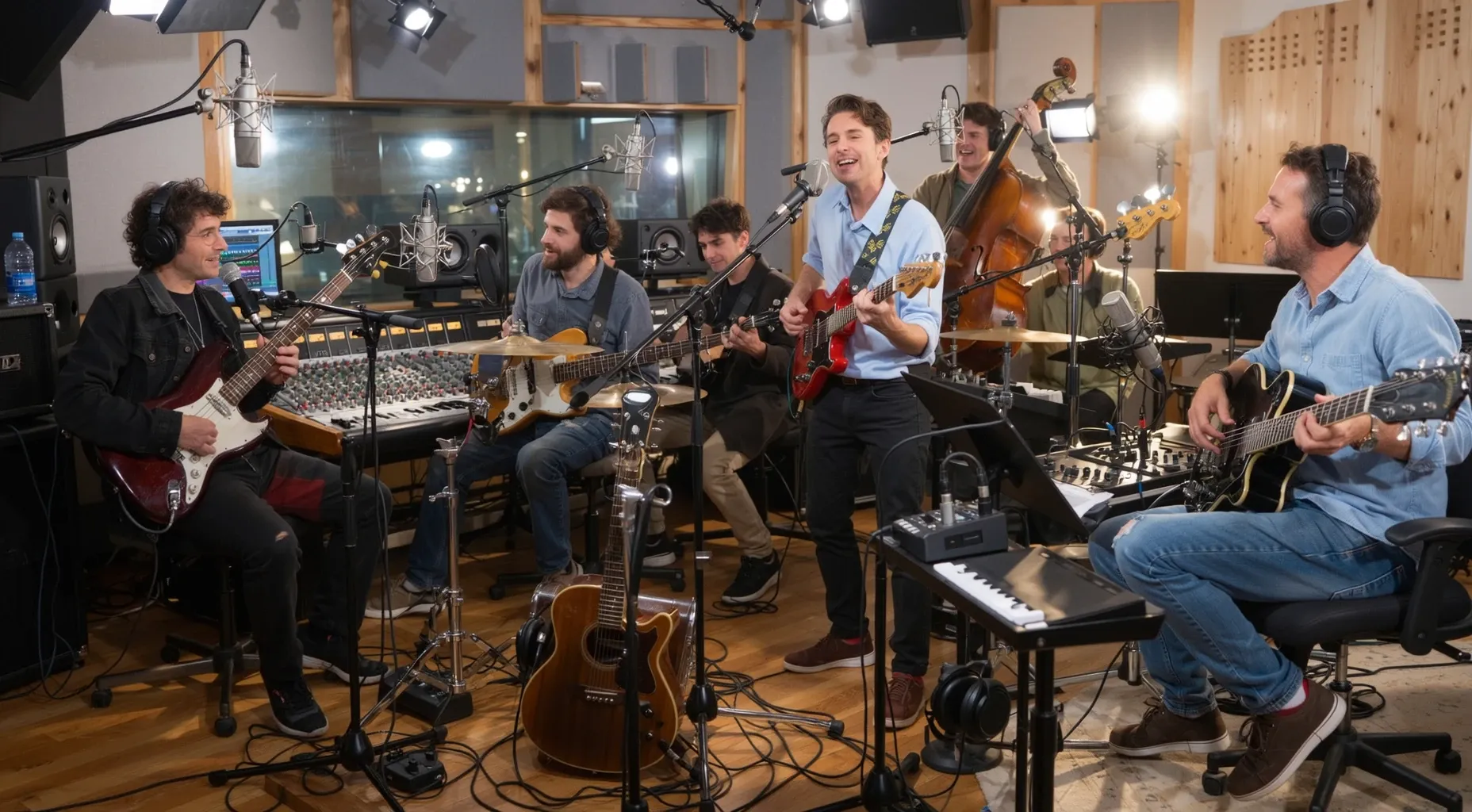
この産業は、(1) 主にライブ音楽のエンターテイメント(演劇音楽またはオペラを除く)の制作に携わるグループと、(2) 主にライブ音楽のエンターテイメントを提供する独立した(つまりフリーランス)アーティストを包含します。 音楽グループとアーティストは、ライブの前に聴衆またはスタジオで演奏し、独自の施設を所有するかどうかに関わらず、ライブショーの舞台を設営する場合があります。 例: バンド 音楽グループ(演劇音楽グループを除く) ドラムとバッジ隊(つまり、ドリルチーム) オーケストラ 独立したミュージシャンまたはボーカリスト
Hierarchy
| Code | Title | Description |
|---|---|---|
| 71 | Arts, Entertainment, and Recreation 2-digit sector | セクター全体 Arts, Entertainment, and Recreationセクターは、多様な文化的、エンターテイメント、およびレクリエーションのニーズを満たす施設またはサービスを提供する、幅広い事業所を含みます。このセクターは、(1)一般公開向けの公演、イベント、または展示物を制作、宣伝、または参加する事業所、(2)歴史的、文化的、または教育的な興味を持つオブジェクトやサイトを保存および展示する事業所、(3)顧客がレクリエーション活動に参加したり、趣味や余暇の時間を過ごしたりできるようにする施設またはサービスを提供する事業所で構成されています。 文化的、エンターテイメント、またはレクリエーション施設およびサービスを提供する事業所の中には、他のセクターに分類されるものもあります。以下を除外します:(1)狩猟や釣りキャンプ、リゾートやカジノホテルなどの宿泊施設とレクリエーション施設を併用する事業所は、サブセクター721、宿泊施設に分類されます。(2)食品と飲料の販売に加えて、ライブエンターテイメントを提供するレストランやナイトクラブは、サブセクター722、食品サービスおよび飲酒場所に分類されます。(3)映画館、図書館およびアーカイブ、新聞、雑誌、書籍、雑誌、コンピューターソフトウェアの出版者は、セクター51、情報に分類されます。(4)観光バス、ディナークルーズ、ヘリコプターなどの輸送機器を使用してレクリエーションおよびエンターテイメントサービスを提供する事業所は、サブセクター487、景観および観光輸送に分類されます。 |
| 711 | Performing Arts, Spectator Sports, and Related Industries 3-digit subsector | Performing Arts, Spectator Sports, and Related Industriesサブセクターの産業は、俳優、歌手、ダンサー、ミュージシャン、アスリート、その他のエンターテイナーのパフォーマンスを含む、ライブプレゼンテーションの制作または組織およびプロモーションを行う事業所を含みます。独立(つまり、フリーランス)のエンターテイナーを含む、これらのエンターテイナーのキャリアを管理する事業所も含まれます。この分類は、次の4つの基本的なプロセスを認識しています:(1)イベントの制作(つまり、プレゼンテーションの開催)、(2)イベントの組織、管理、および/またはプロモーション、(3)エンターテイナーの管理および代理、(4)これらのライブイベントの制作に必要な芸術的、創造的、および技術的なスキルを提供すること。また、このサブセクターには、4つのパフォーマンス企業に関する産業が含まれています。各産業は、プレゼンテーションに関与するエンターテイナーの特定のスキルに基づいて定義されています。 このサブセクターの産業構造は、パフォーマンス企業とパフォーマンスアーティスト(つまり、独立またはフリーランス)を明確に区別しています。芸術とエンターテイメントに固有ではありませんが、フリーランスは、Performing Arts, Spectator Sports, and Related Industriesサブセクターにおいて特に重要な現象です。この活動を生産活動から区別することは、意味のある違いです。ただし、ミュージカルグループ(つまり、企業)およびアーティストのケースでは、この区別が困難です。これらの事業所は、よりlooseな組織であり、企業とフリーランスを区別することが困難です。そのため、NAICSは、ミュージカルグループとミュージカルアーティストの両をカバーする1つの産業を含んでいます。 このサブセクターには、Promoters of Performing Arts, Sports, and Similar Events、7113の産業グループの2つの産業、施設を運営する産業と、運営しない産業が含まれています。これは、施設を管理し、スタッフを雇用するプロモーターと、そうでないプロモーターとの間で、コスト構造に大きな違いがあるためです。施設を運営しないプロモーターを含む、このサブセクターの他の産業には、パフォーマンス企業、ミュージカルグループ、アーティスト、独立(つまり、フリーランス)のアーティスト、ライター、およびパフォーマンスが含まれます。 このサブセクターには、ナイトクラブは含まれていません。一部のナイトクラブは、定期的にライブエンターテイメントをプロモーションしており、それらをIndustry Group 7113、Promoters of Performing Arts, Sports, and Similar Eventsに分類できると主張できます。ただし、ほとんどのこれらの施設は、エンターテイメントをプロモーションしない場合に、他の飲み物を提供する場所として機能し、その収益の大部分が食品と飲料の販売から得られるため、サブセクター722、Food Services and Drinking Placesに分類されます。 |
| 7111 | Performing Arts Companies 4-digit industry group | この産業グループは、俳優、歌手、ダンサー、ミュージシャン、アスリート、その他のパフォーマンスアーティストのパフォーマンスを含むライブプレゼンテーションの制作に主に従事する事業所を含みます。 |
| 71113 | Musical Groups and Artists 5-digit NAICS industry | 711130の産業の説明を参照してください。 |
| 711130 | 音楽グループとアーティスト 6-digit U.S. detail | この産業は、(1) 主にライブ音楽のエンターテイメント(演劇音楽またはオペラを除く)の制作に携わるグループと、(2) 主にライブ音楽のエンターテイメントを提供する独立した(つまりフリーランス)アーティストを包含します。 音楽グループとアーティストは、ライブの前に聴衆またはスタジオで演奏し、独自の施設を所有するかどうかに関わらず、ライブショーの舞台を設営する場合があります。 例: バンド 音楽グループ(演劇音楽グループを除く) ドラムとバッジ隊(つまり、ドリルチーム) オーケストラ 独立したミュージシャンまたはボーカリスト |
Need a supply chain stack that maps to this industry?
Use this NAICS classification as the starting point, then connect it to Item workflows across inventory, warehousing, order management, fulfillment, and transportation.
Classification References
- 01主にコンサートやその他の音楽パフォーマンスを企画、宣伝、または管理する事業は、Industry Group 7113、Performing Arts, Sports, and Similar Eventsの業界グループに分類されます。
- 02劇、オペラなどのミュージカル公演を制作する企業、グループ、または劇場は、Industry 711110、Theater Companies and Dinner Theatersの業界に分類されます。
- 03企業またはグループに依存しない、音楽活動に専念するフリーランスのプロデューサー、作詞者、作曲家、音楽 arranger、および監督者は、Industry 711510、Independent Artists, Writers, and Performersの業界に分類されます。
Index Items
バンド
バンド、ダンス
バンド、音楽
室内音楽グループ
室内オーケストラ
合唱
独立したクラシック音楽アーティスト
独立したクラシック音楽グループ
独立したコンサートアーティスト
独立したカントリー音楽アーティスト
独立したカントリー音楽グループ
ダンスバンド
ドラムとバッジコープ(つまり、ドリルチーム)
音楽グループ
独立したジャズ音楽アーティスト
独立したジャズ音楽グループ
独立した音楽アーティスト
音楽グループ(音楽劇グループを除く)
ライブ音楽公演
独立したミュージシャン
独立したオペラ歌手
オーケストラ
独立したポピュラー音楽アーティスト
独立したポピュラー音楽グループ
独立したロック音楽アーティスト
独立したロック音楽グループ
独立したシンガー
独立したソロリスト
独立したシンフォニーオーケストラ
独立したボーカリスト
How Item Can Help
Order management systems streamlining the coordination of live performance schedules and studio recording timelines to synchronize staff and resource availability efficiently.
Transportation management tools ensure the timely delivery of fragile musical instruments and recording equipment across global venues by optimizing routes and managing freight carriers.
Data intelligence platforms analyze sales trends and consumer behavior to forecast inventory needs for tour gear and provide actionable insights for restocking musical instruments and apparel.
Item.com Tools
External Resources
Census.gov NAICS Detail
Official US Census Bureau definition and scope for NAICS 711130.
National Association for Music Marketing
A leading trade association providing resources and networking for musical artists and industry professionals.
Small Business Administration Industry Classification Database
The official government resource for defining business activity under the NAICS code for musical groups.
Music Row Directory
An industry directory listing entertainment agencies, recording studios, and management companies in Nashville, TN.
