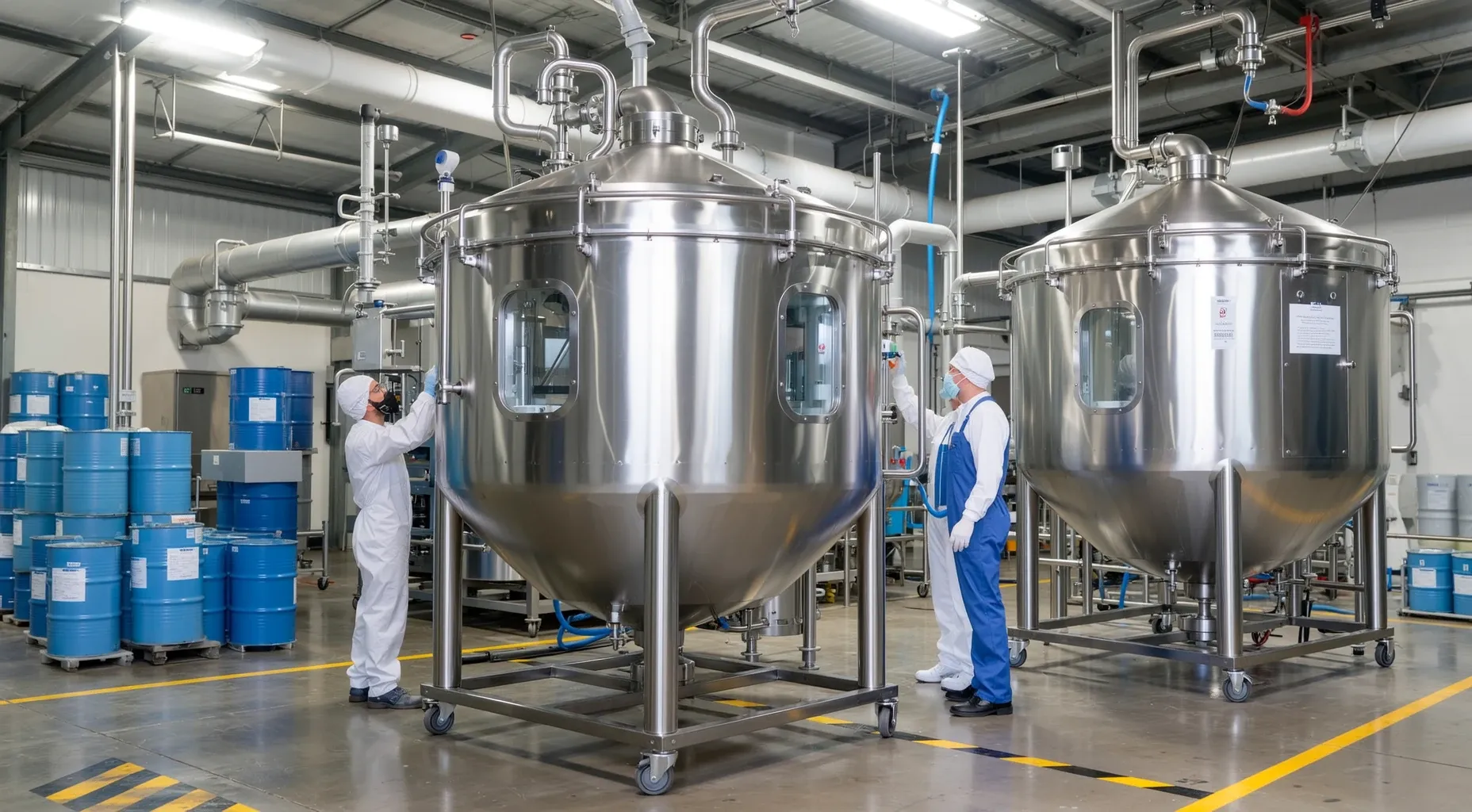
Composición Personalizada de Resinas Compradas
Descripción
La formulación personalizada de resinas compradas implica instalaciones especializadas que transforman materias primas plásticas en productos de ingeniería de alto rendimiento adaptados a aplicaciones industriales específicas. Estos establecimientos operan principalmente como centros de fabricación centrados en la mezcla, combinación y formulación precisa de polímeros obtenidos de proveedores externos. Los operadores en este sector poseen un amplio conocimiento de la química de los plásticos, lo que les permite modificar las propiedades del material, como color, viscosidad, resistencia térmica y durabilidad química, para cumplir con las estrictas especificaciones del cliente. Una actividad comercial central incluye la reformulación de plásticos reciclados para restaurar la calidad y satisfacer las demandas de los fabricantes que buscan incorporar materiales sostenibles en sus cadenas de suministro. Los tipos de operadores suelen ser pequeñas y medianas empresas que funcionan como fabricantes por contrato, sirviendo a mercados de nicho en las industrias automotriz, de la construcción, de embalaje y de bienes de consumo. A diferencia de los grandes productores que fabrican resinas base, estos negocios actúan como convertidores de valor añadido, ofreciendo servicios de diseño junto con la producción. La escala de las operaciones varía ampliamente, desde talleres locales equipados con extrusoras y mezcladoras a pequeña escala hasta plantas regionales más grandes que utilizan sistemas de procesamiento por lotes y continuo de grado industrial. A pesar de la diversidad en el tamaño físico, el hilo conductor sigue siendo la capacidad de ofrecer soluciones de resina personalizadas que los productores de materias primas estándar no pueden proporcionar.
Jerarquía
| Código | Título | Descripción |
|---|---|---|
| 32 | Fabricación Sector de 2 dígitos | El Sector en su Conjunto El sector manufacturero comprende establecimientos dedicados a la transformación mecánica, física o química de materiales, sustancias o componentes en nuevos productos. El ensamblaje de piezas de componentes de productos manufacturados se considera manufactura, excepto en casos en que la actividad se clasifica apropiadamente en el Sector 23, Construcción. Los establecimientos del sector manufacturero a menudo se describen como plantas, fábricas o molinos y característicamente utilizan máquinas accionadas por energía y equipos de manipulación de materiales. Sin embargo, también pueden incluirse en este sector los establecimientos que transforman materiales o sustancias en nuevos productos a mano o en el hogar del trabajador y aquellos dedicados a la venta al público de productos elaborados en las mismas instalaciones desde donde se venden, como panaderías, tiendas de dulces y sastrerías a medida. Los establecimientos manufactureros pueden procesar materiales o pueden contratar con otros establecimientos para procesar sus materiales por ellos. Ambos tipos de establecimientos se incluyen en la manufactura. Las industrias seleccionadas en el sector manufacturero se componen únicamente de establecimientos que procesan materiales para otros establecimientos por contrato o tarifa. Más allá de estas industrias dedicadas a la manufactura por contrato, los establecimientos que procesan materiales para otros establecimientos se clasifican generalmente en la industria manufacturera de los materiales procesados. Los materiales, sustancias o componentes transformados por los establecimientos manufactureros son materias primas que son productos de la agricultura, la silvicultura, la pesca, la minería o la cantería, así como productos de otros establecimientos manufactureros. Los materiales utilizados pueden comprarse directamente a los productores, obtenerse a través de canales comerciales habituales o asegurarse sin recurrir al mercado transfiriendo el producto de un establecimiento a otro, bajo la misma propiedad. El nuevo producto de un establecimiento manufacturero puede estar terminado en el sentido de que está listo para su utilización o consumo, o puede estar semielaborado para convertirse en una entrada para un establecimiento dedicado a una fabricación posterior. Por ejemplo, el producto de la refinería de alúmina es la entrada utilizada en la producción primaria de aluminio; el aluminio primario es la entrada para una planta de laminación de alambre de aluminio; y el alambre de aluminio es la entrada para un establecimiento de fabricación de productos de alambre fabricado. Los subsectores en el sector manufacturero generalmente reflejan procesos de producción distintos relacionados con las entradas de materiales, el equipo de producción y las habilidades de los empleados. En el área de la maquinaria, donde el ensamblaje es una actividad clave, las piezas y accesorios para productos manufacturados se clasifican en la industria del artículo manufacturado terminado cuando se fabrican para venta separada. Por ejemplo, un accesorio para una pieza de maquinaria de metalurgia se clasificaría con la maquinaria de metalurgia. Sin embargo, las entradas de componentes de otros establecimientos manufactureros se clasifican en función de la función de producción del fabricante del componente. Por ejemplo, los componentes electrónicos se clasifican en el Subsector 334, Fabricación de Productos Electrónicos y de Computación, y los estampados se clasifican en el Subsector 332, Fabricación de Productos Metálicos Fabricados. Los establecimientos manufactureros a menudo realizan una o más actividades que se clasifican fuera del sector manufacturero de NAICS. Por ejemplo, casi toda la manufactura tiene alguna operación de investigación y desarrollo o administrativa interna, como contabilidad, nóminas o gestión. Estos servicios internos se tratan de la misma manera que las actividades de manufactura internas. Cuando los servicios son proporcionados por establecimientos separados, se clasifican en el sector de NAICS donde dichos servicios son primarios, no en manufactura. Los límites de la manufactura y de los otros sectores del sistema de clasificación pueden ser algo borrosos. Los establecimientos del sector manufacturero se dedican a la transformación de materiales en nuevos productos. Su producción es un nuevo producto. Sin embargo, la definición de lo que constituye un nuevo producto puede ser algo subjetiva. Como aclaración, las siguientes actividades se consideran manufactura en NAICS: <table width=100%><tr><td width=10%> </td><td><dl><dt style='padding-left: 10px; text-indent: -10px;'>Envasado y pasteurización de leche;</dt><dt style='padding-left: 10px; text-indent: -10px;'>Envasado y procesamiento de agua;</dt><dt style='padding-left: 10px; text-indent: -10px;'>Empaque de pescado fresco (descascar ostras, filetear pescado);</dt><dt style='padding-left: 10px; text-indent: -10px;'>Trabajos de confección (asignación de materiales a fábricas o talleres por contrato para fabricación u otras operaciones por contrato) así como contratación de materiales propiedad de otros;</dt><dt style='padding-left: 10px; text-indent: -10px;'>Impresión y actividades relacionadas;</dt><dt style='padding-left: 10px; text-indent: -10px;'>Producción de concreto premezclado;</dt><dt style='padding-left: 10px; text-indent: -10px;'>Conversión de cuero;</dt><dt style='padding-left: 10px; text-indent: -10px;'>Pulido de lentes a prescripción;</dt><dt style='padding-left: 10px; text-indent: -10px;'>Preservación de madera;</dt><dt style='padding-left: 10px; text-indent: -10px;'>Trabajo lapidario para el comercio;</dt></dl></td><td width=10%> </td><td><dl><dt style='padding-left: 10px; text-indent: -10px;'>Electrochapado, galvanoplastia, tratamiento térmico de metales y pulido para el comercio;</dt><dt style='padding-left: 10px; text-indent: -10px;'>Fabricación de letreros y exhibiciones publicitarias;</dt><dt style='padding-left: 10px; text-indent: -10px;'>Reconstrucción o remanufactura de maquinaria (es decir, piezas de automóviles);</dt><dt style='padding-left: 10px; text-indent: -10px;'>Fabricación de viviendas prefabricadas (es decir, casas móviles) o edificios prefabricados, ya sea ensamblando/erigiendo en el sitio del cliente o no;</dt><dt style='padding-left: 10px; text-indent: -10px;'>Reparación y renovación de buques;</dt><dt style='padding-left: 10px; text-indent: -10px;'>Talleres mecánicos; y</dt><dt style='padding-left: 10px; text-indent: -10px;'>Recauchutado de neumáticos.</dt></dl></td><td width=10%> </td></tr></table> Por el contrario, existen actividades que a veces se consideran manufactura, pero que para NAICS se clasifican en otro sector (es decir, no se clasifican como manufactura). Estas incluyen: 1. La tala, clasificada en el Sector 11, Agricultura, Silvicultura, Pesca y Caza, se considera una operación de cosecha; 2. El beneficio de minerales y otros minerales, clasificado en el Sector 21, Minería, Cantería y Extracción de Petróleo y Gas, se considera parte de la actividad minera; 3. La construcción de estructuras, el ensamblaje de edificios prefabricados y la fabricación en el sitio de construcción por contratistas se clasifican en el Sector 23, Construcción; 4. La ruptura de lotes y la reventa en lotes más pequeños, incluyendo el envasado, reempaquetado o embotellado de productos, como licores o productos químicos; el ensamblaje y venta de computadoras a medida; la clasificación y reventa de chatarra; la mezcla y venta de pinturas bajo pedido del cliente; y el corte de metales bajo pedido del cliente para reventa se clasifican en el Sector 42, Comercio al por mayor, o en el Sector 44-45, Comercio al por menor; y 5. La publicación y la actividad combinada de publicación e impresión, clasificada en el Sector 51, Información, transforman la información en un producto cuyo valor para el consumidor reside en el contenido de la información, no en el formato en que se distribuye (es decir, el libro o el disco compacto de software). |
| 325 | Fabricación Química Subsector de 3 dígitos | El subsector de fabricación de productos químicos se basa en la transformación de materias primas orgánicas e inorgánicas mediante un proceso químico y la formulación de productos. Este subsector distingue la producción de productos químicos básicos que componen el primer grupo industrial de la producción de productos intermedios y finales obtenidos mediante el procesamiento posterior de los productos químicos básicos que conforman los grupos industriales restantes. Este subsector no incluye todas las industrias que transforman materias primas mediante un proceso químico. Es común que parte del procesamiento químico ocurra durante las operaciones mineras. Estas operaciones de beneficio, como la concentración de cobre, se clasifican en el Sector 21, Minería, Canteras y Extracción de Petróleo y Gas. Además, el refinado de petróleo crudo se incluye en el Subsector 324, Fabricación de Productos Petroleros y de Carbón. Adicionalmente, la fabricación de óxido de aluminio se incluye en el Subsector 331, Fabricación de Metales Primarios; y las destilerías de bebidas se clasifican en el Subsector 312, Fabricación de Productos de Bebidas y Tabaco. Al igual que en el caso de estas dos actividades, la agrupación de industrias en subsectores puede tener en cuenta la asociación de las actividades realizadas con otras actividades del subsector. |
| 3259 | Fabricación de Otros Productos Químicos y Preparaciones Grupo industrial de 4 dígitos | Este grupo industrial comprende establecimientos dedicados principalmente a la fabricación de productos químicos (excepto productos químicos básicos; resinas, caucho sintético, fibras y filamentos celulósicos y no celulósicos; pesticidas, fertilizantes y otros productos químicos agrícolas; productos farmacéuticos y medicamentos; pinturas, recubrimientos y adhesivos; jabones y compuestos de limpieza; y preparaciones para el aseo). |
| 32599 | Fabricación de otros productos y preparaciones químicas Industria NAICS de 5 dígitos | Esta industria comprende establecimientos dedicados principalmente a la fabricación de productos químicos (excepto productos químicos básicos, resinas y caucho sintético; fibras y filamentos celulósicos y no celulósicos; pesticidas, fertilizantes y otros productos químicos agrícolas; productos farmacéuticos y medicamentos; pinturas, recubrimientos y adhesivos; jabones, compuestos de limpieza y preparaciones para el aseo; tintas de impresión; y explosivos). Ejemplos ilustrativos: Fabricación de carbón activado y carbón vegetal Fabricación de preparados anticongelantes Compounding personalizado (es decir, mezcla y combinación) de resinas plásticas compradas Fabricación de líquidos para cigarrillos electrónicos, incluidos recargas cerradas Fabricación de sal industrial Fabricación de cerillas y libretas de cerillas Fabricación de productos químicos fotográficos Fabricación de pirotecnia (por ejemplo, bengalas, bombas de linterna, señales) Sustitutos del azúcar (es decir, edulcorantes sintéticos mezclados con otros ingredientes) hechos a partir de edulcorantes sintéticos comprados Fabricación de preparados químicos para piscinas Fabricación de tintas de escritura |
| 325991 | Composición Personalizada de Resinas Compradas Detalle de EE. UU. de 6 dígitos | La formulación personalizada de resinas compradas implica instalaciones especializadas que transforman materias primas plásticas en productos de ingeniería de alto rendimiento adaptados a aplicaciones industriales específicas. Estos establecimientos operan principalmente como centros de fabricación centrados en la mezcla, combinación y formulación precisa de polímeros obtenidos de proveedores externos. Los operadores en este sector poseen un amplio conocimiento de la química de los plásticos, lo que les permite modificar las propiedades del material, como color, viscosidad, resistencia térmica y durabilidad química, para cumplir con las estrictas especificaciones del cliente. Una actividad comercial central incluye la reformulación de plásticos reciclados para restaurar la calidad y satisfacer las demandas de los fabricantes que buscan incorporar materiales sostenibles en sus cadenas de suministro. Los tipos de operadores suelen ser pequeñas y medianas empresas que funcionan como fabricantes por contrato, sirviendo a mercados de nicho en las industrias automotriz, de la construcción, de embalaje y de bienes de consumo. A diferencia de los grandes productores que fabrican resinas base, estos negocios actúan como convertidores de valor añadido, ofreciendo servicios de diseño junto con la producción. La escala de las operaciones varía ampliamente, desde talleres locales equipados con extrusoras y mezcladoras a pequeña escala hasta plantas regionales más grandes que utilizan sistemas de procesamiento por lotes y continuo de grado industrial. A pesar de la diversidad en el tamaño físico, el hilo conductor sigue siendo la capacidad de ofrecer soluciones de resina personalizadas que los productores de materias primas estándar no pueden proporcionar. |
¿Necesitas una plataforma de cadena de suministro adaptada a esta industria?
Usa esta clasificación NAICS como punto de partida y luego conéctala con los flujos de trabajo de Item para inventario, almacenes, gestión de pedidos, cumplimiento y transporte.
Referencias de clasificación
- 01Los establecimientos dedicados principalmente a la fabricación de resinas sintéticas y a la mezcla y formulación personalizada de resinas se clasifican en la Industria de EE. UU. 325211, Fabricación de materiales plásticos y resinas.
Elementos de índice
Compounding personalizado (es decir, mezcla y combinación) de resinas plásticas compradas
Compounding de resinas plásticas a partir de materiales reciclados
Resinas plásticas, compounding personalizado de compradas
Reformulación de resinas plásticas a partir de productos plásticos reciclados
Cómo puede ayudar Item
El Sistema de Gestión de Almacenes rastrea los niveles de inventario de resina bruta y monitorea los cronogramas de producción para asegurar que la planta de compuestos siempre tenga los materiales correctos disponibles para la fabricación por lotes.
El Sistema de Gestión de Pedidos integra formulaciones de resina específicas del cliente en la cola de producción, proporcionando visibilidad en tiempo real del estado del pedido desde la compra hasta la entrega para compuestos personalizados.
Los análisis de inteligencia de negocios analizan datos históricos de uso de resina y rendimiento para optimizar las estrategias de adquisición, predecir escaseces de material y mejorar la eficiencia de la producción para operaciones de formulación personalizada.
Herramientas de Item.com
Recursos externos
Detalle NAICS de Census.gov
Definición y alcance oficial de la Oficina del Censo de EE. UU. para NAICS 325991.
Consejo Nacional de Reciclaje de Plásticos
Una organización sin fines de lucro dedicada a promover el reciclaje y la economía circular para productos y manufactura de plástico.
Oficina del Censo de EE. UU.
La fuente oficial de datos gubernamentales que proporciona definiciones detalladas, criterios de clasificación y datos estadísticos para el código NAICS 325991.
GlobalPlasticsNews
Una plataforma de noticias de la industria que cubre tendencias, regulaciones y desarrollos comerciales en el sector global de fabricación y compuesto de plásticos.
