6-digit U.S. detail
237210
土地の分割
Description
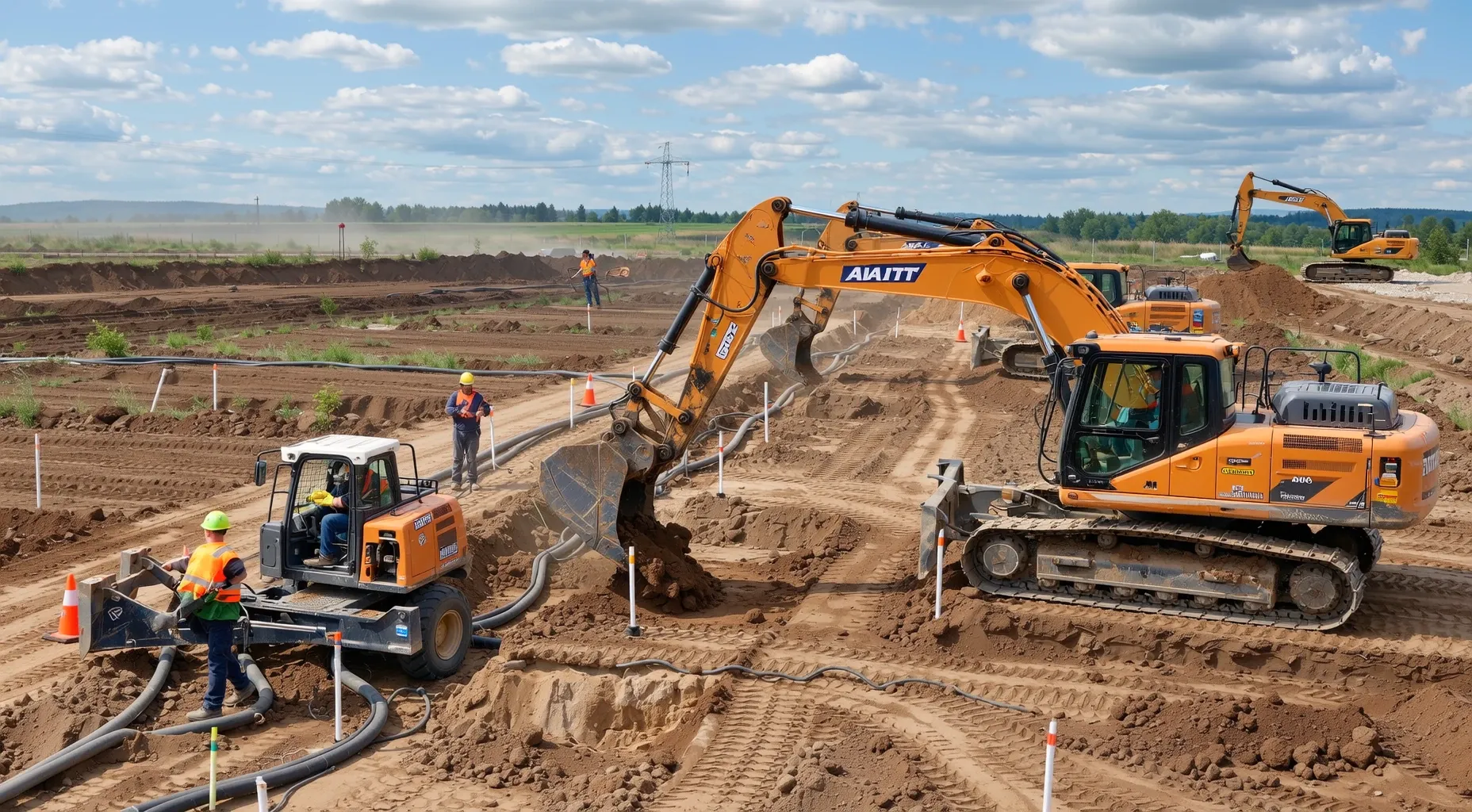
この産業は、土地を分割し、建物の建設後に販売するための土地や不動産を区画する事業主に主に従事する事業を包含します。土地の整備には、道路や配管の設置に必要な掘削作業が含まれる場合があります。作業の範囲はプロジェクトによって異なります。土地の分割は、建設活動の前に発生し、その後の建設は通常住宅ですが、商業地や工業団地も含まれます。これらの事業者は、すべての作業を自社で行うか、他の事業者に委託することができます。単に土地の法的分割を行う事業者は、この産業に分類されません。
Hierarchy
| Code | Title | Description |
|---|---|---|
| 23 | Construction 2-digit sector | The Sector as a Whole The Construction sector comprises establishments primarily engaged in the construction of buildings or engineering projects (e.g., highways and utility systems). Establishments primarily engaged in the preparation of sites for new construction and establishments primarily engaged in subdividing land for sale as building sites also are included in this sector. Construction work done may include new work, additions, alterations, or maintenance and repairs. Activities of these establishments generally are managed at a fixed place of business, but they usually perform construction activities at multiple project sites. Production responsibilities for establishments in this sector are usually specified in (1) contracts with the owners of construction projects (prime contracts) or (2) contracts with other construction establishments (subcontracts). Establishments primarily engaged in contracts that include responsibility for all aspects of individual construction projects are commonly known as general contractors, but also may be known as design-builders, construction managers, turnkey contractors, or (in cases where two or more establishments jointly secure a general contract) joint-venture contractors. Construction managers that provide oversight and scheduling only (i.e., agency) as well as construction managers that are responsible for the entire project (i.e., at risk) are included as general contractor type establishments. Establishments of the "general contractor type" frequently arrange construction of separate parts of their projects through subcontracts with other construction establishments. Establishments primarily engaged in activities to produce a specific component (e.g., masonry, painting, and electrical work) of a construction project are commonly known as specialty trade contractors. Activities of specialty trade contractors are usually subcontracted from other construction establishments, but especially in remodeling and repair construction, the work may be done directly for the owner of the property. Establishments primarily engaged in activities to construct buildings to be sold on sites that they own are known as for-sale builders, but also may be known as speculative builders or merchant builders. For-sale builders produce buildings in a manner similar to general contractors, but their production processes also include site acquisition and securing of financial backing. For-sale builders are most often associated with the construction of residential buildings. Like general contractors, they may subcontract all or part of the actual construction work on their buildings. There are substantial differences in the types of equipment, work force skills, and other inputs required by establishments in this sector. To highlight these differences and variations in the underlying production functions, this sector is divided into three subsectors. Subsector 236, Construction of Buildings, comprises establishments of the general contractor type and for-sale builders involved in the construction of buildings. Subsector 237, Heavy and Civil Engineering Construction, comprises establishments involved in the construction of engineering projects. Subsector 238, Specialty Trade Contractors, comprises establishments engaged in specialty trade activities generally needed in the construction of all types of buildings. Force account construction is construction work performed by an enterprise primarily engaged in some business other than construction for its own account, using employees of the enterprise. This activity is not included in the construction sector unless the construction work performed is the primary activity of a separate establishment of the enterprise. The installation and the ongoing repair and maintenance of telecommunications and utility networks is excluded from construction when the establishments performing the work are not independent contractors. Although a growing proportion of this work is subcontracted to independent contractors in the Construction sector, the operating units of telecommunications and utility companies performing this work are included with the telecommunications or utility activities. |
| 237 | Heavy and Civil Engineering Construction 3-digit subsector | The Heavy and Civil Engineering Construction subsector comprises establishments whose primary activity is the construction of entire engineering projects (e.g., highways and dams), and specialty trade contractors, whose primary activity is the production of a specific component for such projects. Specialty trade contractors in the Heavy and Civil Engineering Construction subsector generally are performing activities that are specific to heavy and civil engineering construction projects and are not normally performed on buildings. The work performed may include new work, additions, alterations, or maintenance and repairs. Specialty trade activities are classified in this subsector if the skills and equipment present are specific to heavy or civil engineering construction projects. For example, specialized equipment is needed to paint lines on highways. This equipment is not normally used in building applications so the activity is classified in this subsector. Traffic signal installation, while specific to highways, uses much of the same skills and equipment that are needed for electrical work in building projects and is therefore classified in Subsector 238, Specialty Trade Contractors. Construction projects involving water resources (e.g., dredging and land drainage) and projects involving open space improvement (e.g., parks and trails) are included in this subsector. Establishments whose primary activity is the subdivision of land into individual building lots usually perform various additional site-improvement activities (e.g., road building and utility line installation) and are included in this subsector. Establishments in this subsector are classified based on the types of structures that they construct. This classification reflects variations in the requirements of the underlying production processes. |
| 2372 | Land Subdivision 4-digit industry group | The Heavy and Civil Engineering Construction subsector comprises establishments whose primary activity is the construction of entire engineering projects (e.g., highways and dams), and specialty trade contractors, whose primary activity is the production of a specific component for such projects. Specialty trade contractors in the Heavy and Civil Engineering Construction subsector generally are performing activities that are specific to heavy and civil engineering construction projects and are not normally performed on buildings. The work performed may include new work, additions, alterations, or maintenance and repairs. Specialty trade activities are classified in this subsector if the skills and equipment present are specific to heavy or civil engineering construction projects. For example, specialized equipment is needed to paint lines on highways. This equipment is not normally used in building applications so the activity is classified in this subsector. Traffic signal installation, while specific to highways, uses much of the same skills and equipment that are needed for electrical work in building projects and is therefore classified in Subsector 238, Specialty Trade Contractors. Construction projects involving water resources (e.g., dredging and land drainage) and projects involving open space improvement (e.g., parks and trails) are included in this subsector. Establishments whose primary activity is the subdivision of land into individual building lots usually perform various additional site-improvement activities (e.g., road building and utility line installation) and are included in this subsector. Establishments in this subsector are classified based on the types of structures that they construct. This classification reflects variations in the requirements of the underlying production processes. |
| 23721 | Land Subdivision 5-digit NAICS industry | See industry description for 237210. |
| 237210 | 土地の分割 6-digit U.S. detail | この産業は、土地を分割し、建物の建設後に販売するための土地や不動産を区画する事業主に主に従事する事業を包含します。土地の整備には、道路や配管の設置に必要な掘削作業が含まれる場合があります。作業の範囲はプロジェクトによって異なります。土地の分割は、建設活動の前に発生し、その後の建設は通常住宅ですが、商業地や工業団地も含まれます。これらの事業者は、すべての作業を自社で行うか、他の事業者に委託することができます。単に土地の法的分割を行う事業者は、この産業に分類されません。 |
Need a supply chain stack that maps to this industry?
Use this NAICS classification as the starting point, then connect it to Item workflows across inventory, warehousing, order management, fulfillment, and transportation.
Classification References
- 01建物を建設し、土地を区画する--は、主要な建設プロジェクトの種類に基づいて、産業グループ2361、住宅建設、または産業グループ2362、非住宅建設に分類されます。
- 02土地区画業者の委託に基づいて道路を設置する--は、産業237310、高速道路、道路および橋梁建設に分類されます。
- 03土地区画業者の委託に基づいて、水、下水道、石油、ガス、電力および通信などのユーティリティを設置する--は、産業グループ2371、ユーティリティシステム建設に分類されます。
- 04他の所有者の土地を建設のために準備する--は、産業238910、サイト準備請負業者に分類されます。
- 05土地を区画し、賃貸またはリースで建物を建設する--は、産業グループ5311、不動産貸家に分類されます。
- 06墓地開発のための土地の区画とサービス--は、産業812220、墓地および火葬場に分類されます。
- 07土地の法的区画を準備することなく--は、設置の主要な活動に基づいて、分類システムの他の場所に分類されます。
Index Items
建物の土地区画
土地(墓地を除く)の区画業
土地の取得、集め、区画
土地開発業(すなわち、区画とインフラの設置)
土地の区画とユーティリティの設置(例:電気、下水道、水道)
売却のための土地の準備と区画
不動産(墓地を除く)の区画
不動産の区画
不動産の区画業
他の所有者の土地の区画と準備
不動産の区画
How Item Can Help
Provides predictive analytics to forecast demand for specific land sizes and locations, enabling precise allocation of resources before competitors react to market trends.
