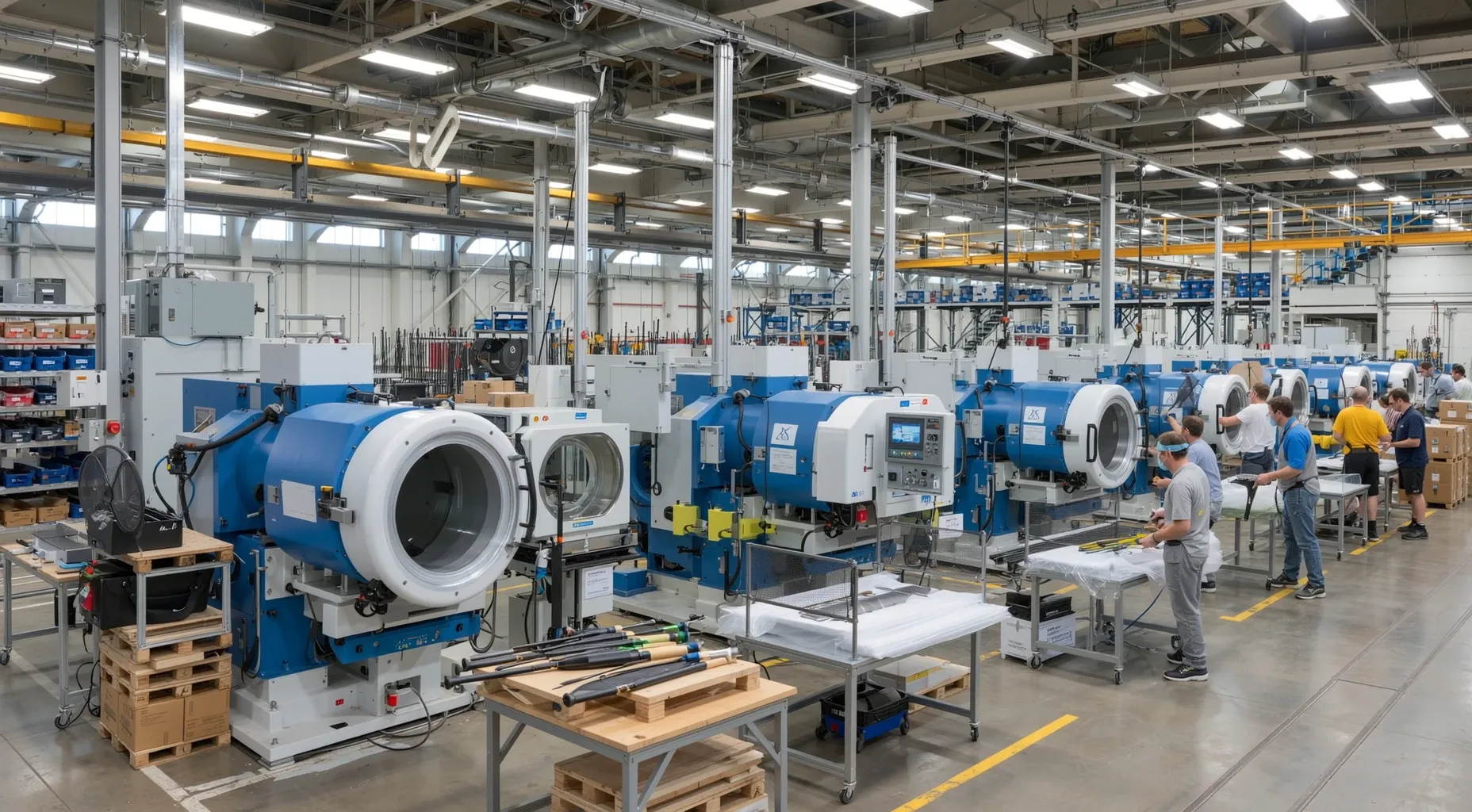
スポーツおよびアスレチック用品の製造
Description
このセクターは、衣服および靴を除外して、スポーツおよびアスレチック用品の生産に関わる事業所を包含します。これらの施設は、原材料を特殊な製品に変換し、これらは、レクリエーションスポーツからプロの競技まで、幅広い身体活動のために設計されています。典型的な事業活動には、製品のカット、組み立て、仕上げ、およびテストが含まれており、これらは厳格な安全性および性能基準を満たすように設計されています。製造プロセスには、通常、野球バット、テニスラケット、釣り竿、およびジム機器などの耐久性のあるアイテムを作成するために、複雑なエンジニアリングと高度な技術が含まれています。この分野のオペレーターは、ニッチなアウトドア用品に焦点を当てた小規模な家族経営のワークショップから、世界規模での流通のために数百万の単位を生産する大規模な産業複合施設まで、さまざまな規模で存在します。事業規模は多様ですが、多くの企業は、品質、革新、および業界規制への準拠に重点を置いています。経済的に重要なプレーヤーは、しばしば特許または独自の設計を保持しており、これにより、市場での競争上の優位性を得ることができます。この産業は、小売業者に不可欠なツールへのアクセスを直接的に提供する、重要な上流サプライヤーとして機能し、フィットネスおよびレジャーのための消費者のアクセスに大きな影響を与えます。技術の進歩は、製品の機能性を向上させながら、生産方法における環境持続可能性への懸念に対処することによって、この産業を推進しています。最終的に、これらの施設は、資源とアクティブなライフスタイルを結びつけ、輸出市場と国内小売チャネルの両方を通じて経済活動を促進します。
Hierarchy
| Code | Title | Description |
|---|---|---|
| 33 | Sporting and Athletic Goods Manufacturing 2-digit sector | The Sector as a Whole The Sporting and Athletic Goods Manufacturing sector comprises establishments engaged in the mechanical, physical, or chemical transformation of materials, substances, or components into new products. The assembling of component parts of sporting and athletic goods is considered manufacturing, except in cases where the activity is appropriately classified in Sector 23, Construction. Establishments in the Sporting and Athletic Goods Manufacturing sector are often described as plants, factories, or mills and characteristically use power-driven machines and material handling equipment. However, establishments that transform materials or substances into new products by hand or in the worker's home and those engaged in selling to the general public products made on the same premises from which they are sold, such as bakeries, candy stores, and custom tailors, may also be included in this sector. Sporting and Athletic Goods Manufacturing establishments may process materials or may contract with other establishments to process their materials for them. Both types of establishments are included in manufacturing. Selected industries in the Sporting and Athletic Goods Manufacturing sector are comprised solely of establishments that process materials for other establishments on a contract or fee basis. Beyond these dedicated contract manufacturing industries, establishments that process materials for other establishments are generally classified in the Sporting and Athletic Goods Manufacturing industry of the processed materials. The materials, substances, or components transformed by Sporting and Athletic Goods Manufacturing establishments are raw materials that are products of agriculture, forestry, fishing, mining, or quarrying as well as products of other manufacturing establishments. The materials used may be purchased directly from producers, obtained through customary trade channels, or secured without recourse to the market by transferring the product from one establishment to another, under the same ownership. The new product of a Sporting and Athletic Goods Manufacturing establishment may be finished in the sense that it is ready for utilization or consumption, or it may be semi-finished to become an input for an establishment engaged in further manufacturing. For example, the product of the alumina refinery is the input used in the primary production of aluminum; primary aluminum is the input to an aluminum wire drawing plant; and aluminum wire is the input for a fabricated wire product manufacturing establishment. The subsectors in the Sporting and Athletic Goods Manufacturing sector generally reflect distinct production processes related to material inputs, production equipment, and employee skills. In the machinery area, where assembling is a key activity, parts and accessories for manufactured products are classified in the industry of the finished manufactured item when they are made for separate sale. For example, an attachment for a piece of metalworking machinery would be classified with metalworking machinery. However, component inputs from other manufacturing establishments are classified based on the production function of the component manufacturer. For example, electronic components are classified in Subsector 334, Computer and Electronic Product Manufacturing, and stampings are classified in Subsector 332, Fabricated Metal Product Manufacturing. Sporting and Athletic Goods Manufacturing establishments often perform one or more activities that are classified outside the Sporting and Athletic Goods Manufacturing sector of NAICS. For instance, almost all manufacturing has some captive research and development or administrative operations, such as accounting, payroll, or management. These captive services are treated the same as captive manufacturing activities. When the services are provided by separate establishments, they are classified in the NAICS sector where such services are primary, not in manufacturing. The boundaries of manufacturing and the other sectors of the classification system can be somewhat blurry. The establishments in the Sporting and Athletic Goods Manufacturing sector are engaged in the transformation of materials into new products. Their output is a new product. However, the definition of what constitutes a new product can be somewhat subjective. As clarification, the following activities are considered manufacturing in NAICS: <table width=100%><tr><td width=10%> </td><td><dl><dt style='padding-left: 10px; text-indent: -10px;'>Milk bottling and pasteurizing;</dt><dt style='padding-left: 10px; text-indent: -10px;'>Water bottling and processing;</dt><dt style='padding-left: 10px; text-indent: -10px;'>Fresh fish packaging (oyster<br/> shucking, fish filleting);</dt><dt style='padding-left: 10px; text-indent: -10px;'>Apparel jobbing (assigning<br/> materials to contract<br/> factories or shops for<br/> fabrication or other contract<br/> operations) as well as<br/> contracting on materials<br/> owned by others;</dt><dt style='padding-left: 10px; text-indent: -10px;'>Printing and related activities;</dt><dt style='padding-left: 10px; text-indent: -10px;'>Ready-mix concrete production;</dt><dt style='padding-left: 10px; text-indent: -10px;'>Leather converting;</dt><dt style='padding-left: 10px; text-indent: -10px;'>Grinding lenses to<br/> prescription;</dt><dt style='padding-left: 10px; text-indent: -10px;'>Wood preserving;</dt><dt style='padding-left: 10px; text-indent: -10px;'>Lapidary work for the trade;</dt></dl></td><td width=10%> </td><td><dl><dt style='padding-left: 10px; text-indent: -10px;'>Electroplating, plating, metal<br/> heat treating, and<br/> polishing for the trade;</dt><dt style='padding-left: 10px; text-indent: -10px;'>Fabricating signs and<br/> advertising displays;</dt><dt style='padding-left: 10px; text-indent: -10px;'>Rebuilding or remanufacturing<br/> machinery (i.e., automotive<br/> parts);</dt><dt style='padding-left: 10px; text-indent: -10px;'>Making manufactured homes<br/> (i.e., mobile homes) or<br/> prefabricated buildings,<br/> whether or not assembling/<br/> erecting at the customers'<br/> site;</dt><dt style='padding-left: 10px; text-indent: -10px;'>Ship repair and renovation;</dt><dt style='padding-left: 10px; text-indent: -10px;'>Machine shops; and</dt><dt style='padding-left: 10px; text-indent: -10px;'>Tire retreading.</dt></dl></td><td width=10%> </td></tr></table> Conversely, there are activities that are sometimes considered manufacturing, but which for NAICS are classified in another sector (i.e., not classified as manufacturing). They include: 1. Logging, classified in Sector 11, Agriculture, Forestry, Fishing and Hunting, is considered a harvesting operation; 2. Beneficiating ores and other minerals, classified in Sector 21, Mining, Quarrying, and Oil and Gas Extraction, is considered part of the activity of mining; 3. Constructing structures, assembling prefabricated buildings, and fabricating at the construction site by contractors are classified in Sector 23, Construction; 4. Breaking bulk and reselling in smaller lots, including packaging, repackaging, or bottling products, such as liquors or chemicals; assembling and selling computers on a custom basis; sorting and reselling scrap; mixing and selling paints to customer order; and cutting metals to customer order for resale are classified in Sector 42, Wholesale Trade, or Sector 44-45, Retail Trade; and 5. Publishing and the combined activity of publishing and printing, classified in Sector 51, Information, transform information into a product for which the value to the consumer lies in the information content, not in the format in which it is distributed (i.e., the book or software compact disc). |
| 339 | Sporting and Athletic Goods Manufacturing 3-digit subsector | Industries in the Sporting and Athletic Goods subsector make a wide range of products that cannot readily be classified in specific NAICS subsectors in manufacturing. Processes used by these establishments vary significantly, both among and within industries. For example, a variety of manufacturing processes are used in manufacturing sporting and athletic goods that include products such as tennis rackets and golf balls. The processes for these products differ from each other, and the processes differ significantly from the fabrication processes used in making dolls or toys, the jewelry, and silverware manufacturing. All other miscellaneous manufacturing. |
| 3399 | Sporting and Athletic Goods Manufacturing 4-digit industry group | See industry description for 339920. |
| 33992 | Sporting and Athletic Goods Manufacturing 5-digit NAICS industry | Sporting and Athletic Goods Manufacturing |
| 339920 | スポーツおよびアスレチック用品の製造 6-digit U.S. detail | このセクターは、衣服および靴を除外して、スポーツおよびアスレチック用品の生産に関わる事業所を包含します。これらの施設は、原材料を特殊な製品に変換し、これらは、レクリエーションスポーツからプロの競技まで、幅広い身体活動のために設計されています。典型的な事業活動には、製品のカット、組み立て、仕上げ、およびテストが含まれており、これらは厳格な安全性および性能基準を満たすように設計されています。製造プロセスには、通常、野球バット、テニスラケット、釣り竿、およびジム機器などの耐久性のあるアイテムを作成するために、複雑なエンジニアリングと高度な技術が含まれています。この分野のオペレーターは、ニッチなアウトドア用品に焦点を当てた小規模な家族経営のワークショップから、世界規模での流通のために数百万の単位を生産する大規模な産業複合施設まで、さまざまな規模で存在します。事業規模は多様ですが、多くの企業は、品質、革新、および業界規制への準拠に重点を置いています。経済的に重要なプレーヤーは、しばしば特許または独自の設計を保持しており、これにより、市場での競争上の優位性を得ることができます。この産業は、小売業者に不可欠なツールへのアクセスを直接的に提供する、重要な上流サプライヤーとして機能し、フィットネスおよびレジャーのための消費者のアクセスに大きな影響を与えます。技術の進歩は、製品の機能性を向上させながら、生産方法における環境持続可能性への懸念に対処することによって、この産業を推進しています。最終的に、これらの施設は、資源とアクティブなライフスタイルを結びつけ、輸出市場と国内小売チャネルの両方を通じて経済活動を促進します。 |
Need a supply chain stack that maps to this industry?
Use this NAICS classification as the starting point, then connect it to Item workflows across inventory, warehousing, order management, fulfillment, and transportation.
Classification References
- 01スポーツ用品の製造--315セクター、アパレル製造に分類されています。
- 02スポーツ用靴の製造--316210、靴製造産業に分類されています。
- 03小銃および小銃弾の製造--33299、その他の鍛造金属製品製造産業に分類されています。
- 04寝袋、バックパック、テントを、購入した生地から製造--3149、その他のテキスタイル製品工場グループに分類されています。
- 05自転車の製造--336991、オートバイ、自転車、および部品製造、米国産業に分類されています、および
- 06ボート(ヘビーデューティーのインフレータを含む)の製造--336612、ボート製造、米国産業に分類されています。
Index Items
弓具の製造
スポーツ用品(弾薬、衣類、靴、小銃を除く)の製造
バドミントン用具の製造
バッグ、ゴルフ、製造
バッグ、パンチング、製造
釣り用餌、人工、製造
ボール、野球、バスケットボール、サッカー、ゴルフ、テニス、プール、およびボウリング、製造
野球用具および用品(靴、ユニフォームを除く)の製造
バスケットボール用具および用品(靴、ユニフォームを除く)の製造
ビリヤード用具および用品の製造
ボブスレーの製造
ブーメランの製造
ボウリングピンマシン、自動、製造
弓、弓、製造
ボクシング用具の製造
キャディカートの製造
カート、キャディ、製造
クラブ、スポーツ用品(例:ゴルフ、インディアン)、製造
クロケトセットの製造
ダンベルの製造
エクササイズマシンの製造
フェンシング用具(スポーツ用品)の製造
釣り用具および用具(ライン、ネット、シーヌを除く)の製造
フィットネス用具の製造
フライ、人工釣り、製造
サッカー用具および用品(靴、ユニフォームを除く)の製造
グローブ、スポーツおよびアトレット(例:野球、ボクシング、ラケットボール、ハンドボール)、製造
ゴルフ用具(例:バッグ、ボール、キャディカート、クラブ、ティー)の製造
体育館および遊び場用具、製造
ヘルメット、アトレット(自動車用クラッシュヘルメットを除く)、製造
アイスホッケー用具(ユニフォームを除く)の製造
アイスホッケースケートの製造
フック、釣り、製造
アイススケートの製造
ジョギングマシン、製造
レザーグローブ、アトレット、製造
プロテクター、スポーツ(例:野球、バスケットボール、アイスホッケー)、製造
リール、釣り、製造
ロッドおよびロッド部品、釣り、製造
ローラースケートの製造
サーフボードの製造
スナースイミングプール、地上、製造
タックル、釣り(ライン、ネット、シーヌを除く)、製造
テニス用品(例:ボール、フレーム、ラケット)の製造
トボガンの製造
トラックおよびフィールドアトレット用具(アパレル、靴を除く)の製造
ウェットスーツの製造
How Item Can Help
The Warehouse Management System optimizes inventory for fast-moving sports equipment by streamlining picking and packing processes. It ensures high accuracy for diverse SKUs like gear and apparel, reducing shipping errors and operational costs.
The Order Management System provides real-time visibility into customer orders across multiple sales channels. This enables seamless order fulfillment and personalized promotions for athletes and team buyers, ensuring faster delivery of popular athletic goods.
Advanced analytics platforms identify trending sports products and predict seasonal demand spikes. These insights allow businesses to adjust manufacturing schedules and inventory levels to maximize sales during peak athletic seasons.
Item.com Tools
External Resources
Census.gov NAICS Detail
Official US Census Bureau definition and scope for NAICS 339920.
US Department of Commerce, Bureau of Economic Analysis
Official government page defining the NAICS code for sporting goods manufacturing with detailed industry metrics.
Sporting Goods Manufacturers Association
Leading trade association providing resources and news specifically for the sporting and athletic goods sector.
US Census Bureau, NAICS Classification Guide
Public resource offering the official definitions and classification details for the 339920 industry code.
