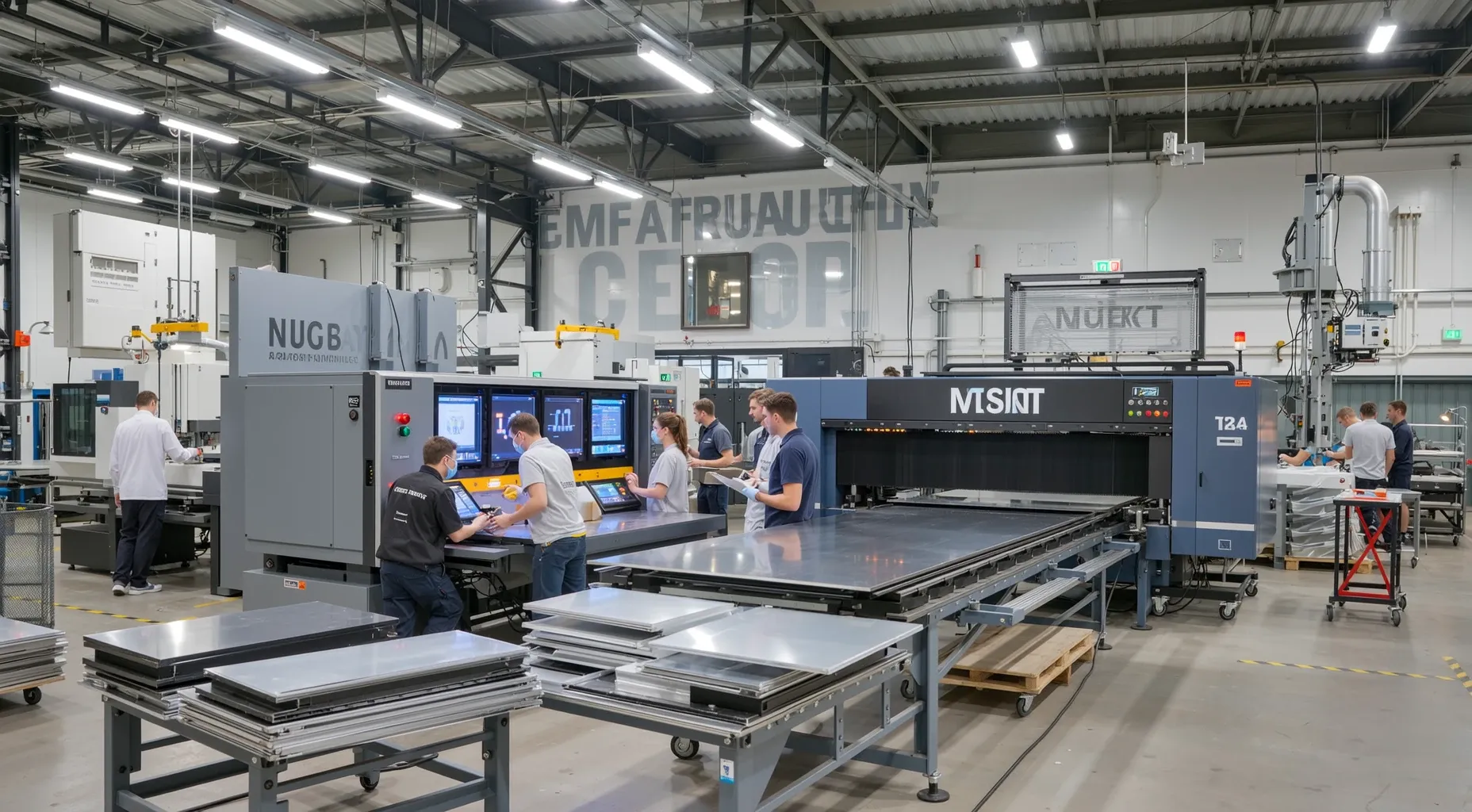
標識製造
Description
このセクターの企業は、広告標識、誘導標識、ディスプレイユニット、および関連するマーケティング材料など、さまざまな媒体(金属、プラスチック、木材、ガラス、および照明材料)を使用した標識の製造を専門としています。これらの企業は、ブランドの可視性を高め、顧客を誘導するために、静的なものまたは照明されたディスプレイを作成することに焦点を当てています。紙およびボード製品(印刷および出版の分類)は除外されます。主な活動には、設計の概念化、材料の製造、組み立て、および耐久性と美的魅力を確保するための設置調整が含まれます。メーカーは、特定の建築要件またはマーケティングキャンペーンに合わせて、カスタマイズされたソリューションを作成するために、多くの場合、建築家、請負業者、および企業顧客と協力しています。 オペレーターは、基本的な製造ツールを使用する小さな家族経営のワークショップから、自動切断および溶接システムを備えた大規模な工場まで、さまざまな規模の企業を含みます。生産量は大きく異なり、一部の企業は年間数百の単位を生産し、他の企業は、全国の小売チェーン向けに、高頻度の反復注文を処理しています。この範囲は、地元の自治体のニーズを超えて、大規模な企業ブランドングプロジェクトや一時的なイベントディスプレイにも及びます。この業界は、エネルギー効率の高い照明、持続可能な材料、およびインタラクティブなデジタル標識など、現代の要求に適応することで、その多様性を実証しています。テクノロジーの統合は増加していますが、伝統的な方法は依然として広く普及しており、すべての規模の企業がプロフェッショナルな標識ソリューションを費用対効果の高い方法で利用できるようにしています。 NAICSコード339950は、さまざまな材料を使用した標識および関連ディスプレイの製造を主な活動とする施設を表します。紙ベースの標識を除外して、アルミニウム、ガラス繊維、アクリル、および商業、産業、および建築用途向けの照明構造の製造が含まれます。典型的なオペレーターには、専用の請負標識会社、ディスプレイ製造ショップ、およびさまざまなセクター内の専門メーカーが含まれます。これらの企業は、ブランド、安全コンプライアンス、および顧客エンゲージメントを促進するための重要な視覚コミュニケーション資産を提供することで、重要なサプライチェーンの関連性を持っています。その出力は、効果的なマーケティングおよび情報提供の目的で、耐久性があり、インパクトのある標識ソリューションを必要とする小売業者、建設会社、および自治体プロジェクトをサポートします。 標識製造業界(NAICSコード339950)は、さまざまな材料を使用したさまざまな視覚コミュニケーションデバイスの製造に専念しています。これらの施設は、金属、プラスチック、ガラス繊維、ガラスを使用した、照明された文字盤、建築標識、交通標識、および広告ディスプレイの作成を専門としています。紙ベースの掲示板を除外して、これらのコンポーネントは、切断、溶接、印刷、塗装、および電気組み立てなどの専門的なプロセスを通じて製造されます。このセクターは、単純な誘導指示から、大規模な店舗のブランドングまで、一般の人々にメッセージを伝達することに焦点を当てています。 組織構造の観点から、この業界は、さまざまな規模のビジネスを含み、ほとんどは、大規模な多国籍企業ではなく、小規模な独立したまたは地域ベースの企業です。一部の企業は、ニッチな製品ラインに焦点を当てた独立したワークショップとして機能しますが、多くの企業は、さまざまな製造施設を管理する大規模なコンプレックスの一部として機能しています。これらの企業は、特定の材料の特性と安全規制に関する知識を持つ熟練した職人や技術者を雇用しています。運営の規模は大きく異なり、一部のショップは、地元の注文を処理する個人事業主として機能し、他のショップは、全国市場をサービスする広範な生産ラインを維持しています。 このセクターの物流およびサプライチェーンダイナミクスは、原材料と完成品の物理的な性質によって大きく影響を受けています。メーカーは、金属や鋼などの重い機械、特殊なツール、および大量の材料を調達する必要があり、これらはサプライヤーと工場間の商品の移動を確保するために、堅牢な輸送ネットワークが必要です。完成品は、多くの場合、その脆さまたはサイズのために、慎重に輸送する必要があります。特に、大規模な構造物に設置する場合。効果的なサプライチェーン管理は、これらの複雑でカスタムメイドされたアイテムを、複雑な製造プロセスからの廃棄物を最小限に抑えながら、顧客にタイムリーに届けることを保証します。この専門的な製造環境で、デザイナー、製造業者、および設置業者間の調整は、効率的な運営を維持するために不可欠です。
Hierarchy
| Code | Title | Description |
|---|---|---|
| 33 | Manufacturing 2-digit sector | The Sector as a Whole The Manufacturing sector comprises establishments engaged in the mechanical, physical, or chemical transformation of materials, substances, or components into new products. The assembling of component parts of manufactured products is considered manufacturing, except in cases where the activity is appropriately classified in Sector 23, Construction. Establishments in the Manufacturing sector are often described as plants, factories, or mills and characteristically use power-driven machines and material handling equipment. However, establishments that transform materials or substances into new products by hand or in the worker's home and those engaged in selling to the general public products made on the same premises from which they are sold, such as bakeries, candy stores, and custom tailors, may also be included in this sector. Manufacturing establishments may process materials or may contract with other establishments to process their materials for them. Both types of establishments are included in manufacturing. Selected industries in the Manufacturing sector are comprised solely of establishments that process materials for other establishments on a contract or fee basis. Beyond these dedicated contract manufacturing industries, establishments that process materials for other establishments are generally classified in the Manufacturing industry of the processed materials. The materials, substances, or components transformed by manufacturing establishments are raw materials that are products of agriculture, forestry, fishing, mining, or quarrying as well as products of other manufacturing establishments. The materials used may be purchased directly from producers, obtained through customary trade channels, or secured without recourse to the market by transferring the product from one establishment to another, under the same ownership. The new product of a manufacturing establishment may be finished in the sense that it is ready for utilization or consumption, or it may be semi-finished to become an input for an establishment engaged in further manufacturing. For example, the product of the alumina refinery is the input used in the primary production of aluminum; primary aluminum is the input to an aluminum wire drawing plant; and aluminum wire is the input for a fabricated wire product manufacturing establishment. The subsectors in the Manufacturing sector generally reflect distinct production processes related to material inputs, production equipment, and employee skills. In the machinery area, where assembling is a key activity, parts and accessories for manufactured products are classified in the industry of the finished manufactured item when they are made for separate sale. For example, an attachment for a piece of metalworking machinery would be classified with metalworking machinery. However, component inputs from other manufacturing establishments are classified based on the production function of the component manufacturer. For example, electronic components are classified in Subsector 334, Computer and Electronic Product Manufacturing, and stampings are classified in Subsector 332, Fabricated Metal Product Manufacturing. Manufacturing establishments often perform one or more activities that are classified outside the Manufacturing sector of NAICS. For instance, almost all manufacturing has some captive research and development or administrative operations, such as accounting, payroll, or management. These captive services are treated the same as captive manufacturing activities. When the services are provided by separate establishments, they are classified in the NAICS sector where such services are primary, not in manufacturing. The boundaries of manufacturing and the other sectors of the classification system can be somewhat blurry. The establishments in the Manufacturing sector are engaged in the transformation of materials into new products. Their output is a new product. However, the definition of what constitutes a new product can be somewhat subjective. As clarification, the following activities are considered manufacturing in NAICS: <table width=100%><tr><td width=10%> </td><td><dl><dt style='padding-left: 10px; text-indent: -10px;'>Milk bottling and pasteurizing;</dt><dt style='padding-left: 10px; text-indent: -10px;'>Water bottling and processing;</dt><dt style='padding-left: 10px; text-indent: -10px;'>Fresh fish packaging (oyster<br/> shucking, fish filleting);</dt><dt style='padding-left: 10px; text-indent: -10px;'>Apparel jobbing (assigning<br/> materials to contract<br/> factories or shops for<br/> fabrication or other contract<br/> operations) as well as<br/> contracting on materials<br/> owned by others;</dt><dt style='padding-left: 10px; text-indent: -10px;'>Printing and related activities;</dt><dt style='padding-left: 10px; text-indent: -10px;'>Ready-mix concrete production;</dt><dt style='padding-left: 10px; text-indent: -10px;'>Leather converting;</dt><dt style='padding-left: 10px; text-indent: -10px;'>Grinding lenses to<br/> prescription;</dt><dt style='padding-left: 10px; text-indent: -10px;'>Wood preserving;</dt><dt style='padding-left: 10px; text-indent: -10px;'>Lapidary work for the trade;</dt></dl></td><td width=10%> </td><td><dl><dt style='padding-left: 10px; text-indent: -10px;'>Electroplating, plating, metal<br/> heat treating, and<br/> polishing for the trade;</dt><dt style='padding-left: 10px; text-indent: -10px;'>Fabricating signs and<br/> advertising displays;</dt><dt style='padding-left: 10px; text-indent: -10px;'>Rebuilding or remanufacturing<br/> machinery (i.e., automotive<br/> parts);</dt><dt style='padding-left: 10px; text-indent: -10px;'>Making manufactured homes<br/> (i.e., mobile homes) or<br/> prefabricated buildings,<br/> whether or not assembling/<br/> erecting at the customers'<br/> site;</dt><dt style='padding-left: 10px; text-indent: -10px;'>Ship repair and renovation;</dt><dt style='padding-left: 10px; text-indent: -10px;'>Machine shops; and</dt><dt style='padding-left: 10px; text-indent: -10px;'>Tire retreading.</dt></dl></td><td width=10%> </td></tr></table> Conversely, there are activities that are sometimes considered manufacturing, but which for NAICS are classified in another sector (i.e., not classified as manufacturing). They include: 1. Logging, classified in Sector 11, Agriculture, Forestry, Fishing and Hunting, is considered a harvesting operation; 2. Beneficiating ores and other minerals, classified in Sector 21, Mining, Quarrying, and Oil and Gas Extraction, is considered part of the activity of mining; 3. Constructing structures, assembling prefabricated buildings, and fabricating at the construction site by contractors are classified in Sector 23, Construction; 4. Breaking bulk and reselling in smaller lots, including packaging, repackaging, or bottling products, such as liquors or chemicals; assembling and selling computers on a custom basis; sorting and reselling scrap; mixing and selling paints to customer order; and cutting metals to customer order for resale are classified in Sector 42, Wholesale Trade, or Sector 44-45, Retail Trade; and 5. Publishing and the combined activity of publishing and printing, classified in Sector 51, Information, transform information into a product for which the value to the consumer lies in the information content, not in the format in which it is distributed (i.e., the book or software compact disc). |
| 339 | Miscellaneous Manufacturing 3-digit subsector | Industries in the Miscellaneous Manufacturing subsector make a wide range of products that cannot readily be classified in specific NAICS subsectors in manufacturing. Processes used by these establishments vary significantly, both among and within industries. For example, a variety of manufacturing processes are used in manufacturing sporting and athletic goods that include products such as tennis rackets and golf balls. The processes for these products differ from each other, and the processes differ significantly from the fabrication processes used in making dolls or toys, the melting and shaping of precious metals to make jewelry, and the bending, forming, and assembly used in making medical products. The industries in this subsector are defined by what is made rather than how it is made. Although individual establishments might be appropriately classified elsewhere in the NAICS structure, for historical continuity, these product-based industries were maintained. In most cases, no one process or material predominates for an industry. Establishments in this subsector manufacture products as diverse as medical equipment and supplies, jewelry, sporting goods, toys, and office supplies. |
| 3399 | Other Miscellaneous Manufacturing 4-digit industry group | This industry group comprises establishments primarily engaged in miscellaneous manufacturing, such as jewelry and silverware manufacturing, sporting and athletic goods manufacturing, doll, toy, and game manufacturing, office supplies (except paper) manufacturing, sign manufacturing, and all other miscellaneous manufacturing. |
| 33995 | Sign Manufacturing 5-digit NAICS industry | See industry description for 339950. |
| 339950 | 標識製造 6-digit U.S. detail | このセクターの企業は、広告標識、誘導標識、ディスプレイユニット、および関連するマーケティング材料など、さまざまな媒体(金属、プラスチック、木材、ガラス、および照明材料)を使用した標識の製造を専門としています。これらの企業は、ブランドの可視性を高め、顧客を誘導するために、静的なものまたは照明されたディスプレイを作成することに焦点を当てています。紙およびボード製品(印刷および出版の分類)は除外されます。主な活動には、設計の概念化、材料の製造、組み立て、および耐久性と美的魅力を確保するための設置調整が含まれます。メーカーは、特定の建築要件またはマーケティングキャンペーンに合わせて、カスタマイズされたソリューションを作成するために、多くの場合、建築家、請負業者、および企業顧客と協力しています。 オペレーターは、基本的な製造ツールを使用する小さな家族経営のワークショップから、自動切断および溶接システムを備えた大規模な工場まで、さまざまな規模の企業を含みます。生産量は大きく異なり、一部の企業は年間数百の単位を生産し、他の企業は、全国の小売チェーン向けに、高頻度の反復注文を処理しています。この範囲は、地元の自治体のニーズを超えて、大規模な企業ブランドングプロジェクトや一時的なイベントディスプレイにも及びます。この業界は、エネルギー効率の高い照明、持続可能な材料、およびインタラクティブなデジタル標識など、現代の要求に適応することで、その多様性を実証しています。テクノロジーの統合は増加していますが、伝統的な方法は依然として広く普及しており、すべての規模の企業がプロフェッショナルな標識ソリューションを費用対効果の高い方法で利用できるようにしています。 NAICSコード339950は、さまざまな材料を使用した標識および関連ディスプレイの製造を主な活動とする施設を表します。紙ベースの標識を除外して、アルミニウム、ガラス繊維、アクリル、および商業、産業、および建築用途向けの照明構造の製造が含まれます。典型的なオペレーターには、専用の請負標識会社、ディスプレイ製造ショップ、およびさまざまなセクター内の専門メーカーが含まれます。これらの企業は、ブランド、安全コンプライアンス、および顧客エンゲージメントを促進するための重要な視覚コミュニケーション資産を提供することで、重要なサプライチェーンの関連性を持っています。その出力は、効果的なマーケティングおよび情報提供の目的で、耐久性があり、インパクトのある標識ソリューションを必要とする小売業者、建設会社、および自治体プロジェクトをサポートします。 標識製造業界(NAICSコード339950)は、さまざまな材料を使用したさまざまな視覚コミュニケーションデバイスの製造に専念しています。これらの施設は、金属、プラスチック、ガラス繊維、ガラスを使用した、照明された文字盤、建築標識、交通標識、および広告ディスプレイの作成を専門としています。紙ベースの掲示板を除外して、これらのコンポーネントは、切断、溶接、印刷、塗装、および電気組み立てなどの専門的なプロセスを通じて製造されます。このセクターは、単純な誘導指示から、大規模な店舗のブランドングまで、一般の人々にメッセージを伝達することに焦点を当てています。 組織構造の観点から、この業界は、さまざまな規模のビジネスを含み、ほとんどは、大規模な多国籍企業ではなく、小規模な独立したまたは地域ベースの企業です。一部の企業は、ニッチな製品ラインに焦点を当てた独立したワークショップとして機能しますが、多くの企業は、さまざまな製造施設を管理する大規模なコンプレックスの一部として機能しています。これらの企業は、特定の材料の特性と安全規制に関する知識を持つ熟練した職人や技術者を雇用しています。運営の規模は大きく異なり、一部のショップは、地元の注文を処理する個人事業主として機能し、他のショップは、全国市場をサービスする広範な生産ラインを維持しています。 このセクターの物流およびサプライチェーンダイナミクスは、原材料と完成品の物理的な性質によって大きく影響を受けています。メーカーは、金属や鋼などの重い機械、特殊なツール、および大量の材料を調達する必要があり、これらはサプライヤーと工場間の商品の移動を確保するために、堅牢な輸送ネットワークが必要です。完成品は、多くの場合、その脆さまたはサイズのために、慎重に輸送する必要があります。特に、大規模な構造物に設置する場合。効果的なサプライチェーン管理は、これらの複雑でカスタムメイドされたアイテムを、複雑な製造プロセスからの廃棄物を最小限に抑えながら、顧客にタイムリーに届けることを保証します。この専門的な製造環境で、デザイナー、製造業者、および設置業者間の調整は、効率的な運営を維持するために不可欠です。 |
Need a supply chain stack that maps to this industry?
Use this NAICS classification as the starting point, then connect it to Item workflows across inventory, warehousing, order management, fulfillment, and transportation.
Classification References
- 01印刷された広告、記念品、または印刷された紙および紙板の看板、通知、およびディスプレイ--は産業32311、印刷に分類されます。
- 02広告、記念品の製造および印刷--は、製造される製品に応じて製造セクターに分類されます。
- 03紙板のディスプレイの製造--は、米国産業322299、すべてのその他の変換された紙製品製造に分類されます。
- 04看板の文字と塗装--は、産業541890、広告に関連するその他のサービスに分類されます。
Index Items
看板の製造
ディスプレイ(例:カウンター、床、販売場所)の製造
電気看板の製造
看板の文字の製造
ネオン看板の製造
スコアボードの製造
看板および看板(紙、紙板を除く)の製造
交通(例:高速道路、道路、通り、橋)の看板の製造
How Item Can Help
The Warehouse Management System optimizes inventory levels for complex sign materials like aluminum and acrylic while streamlining the scheduling of specialized manufacturing machinery.
Data Intelligence platforms analyze market trends to predict seasonal demand spikes, allowing sign manufacturers to adjust production schedules and reduce unsold inventory costs.
Item.com Tools
External Resources
Census.gov NAICS Detail
Official US Census Bureau definition and scope for NAICS 339950.
National Association of Sign Manufacturers
A trade association providing industry news, member resources, and advocacy for sign makers across North America.
U.S. Bureau of Labor Statistics - Construction and Related
A government labor statistics page tracking employment data, wages, and projections for the sign manufacturing sector.
Signs.com - Industry Directory
An online directory connecting buyers with professional sign manufacturers, printers, and installers via verified business listings.
