Drive-In Motion Picture Theaters
Description
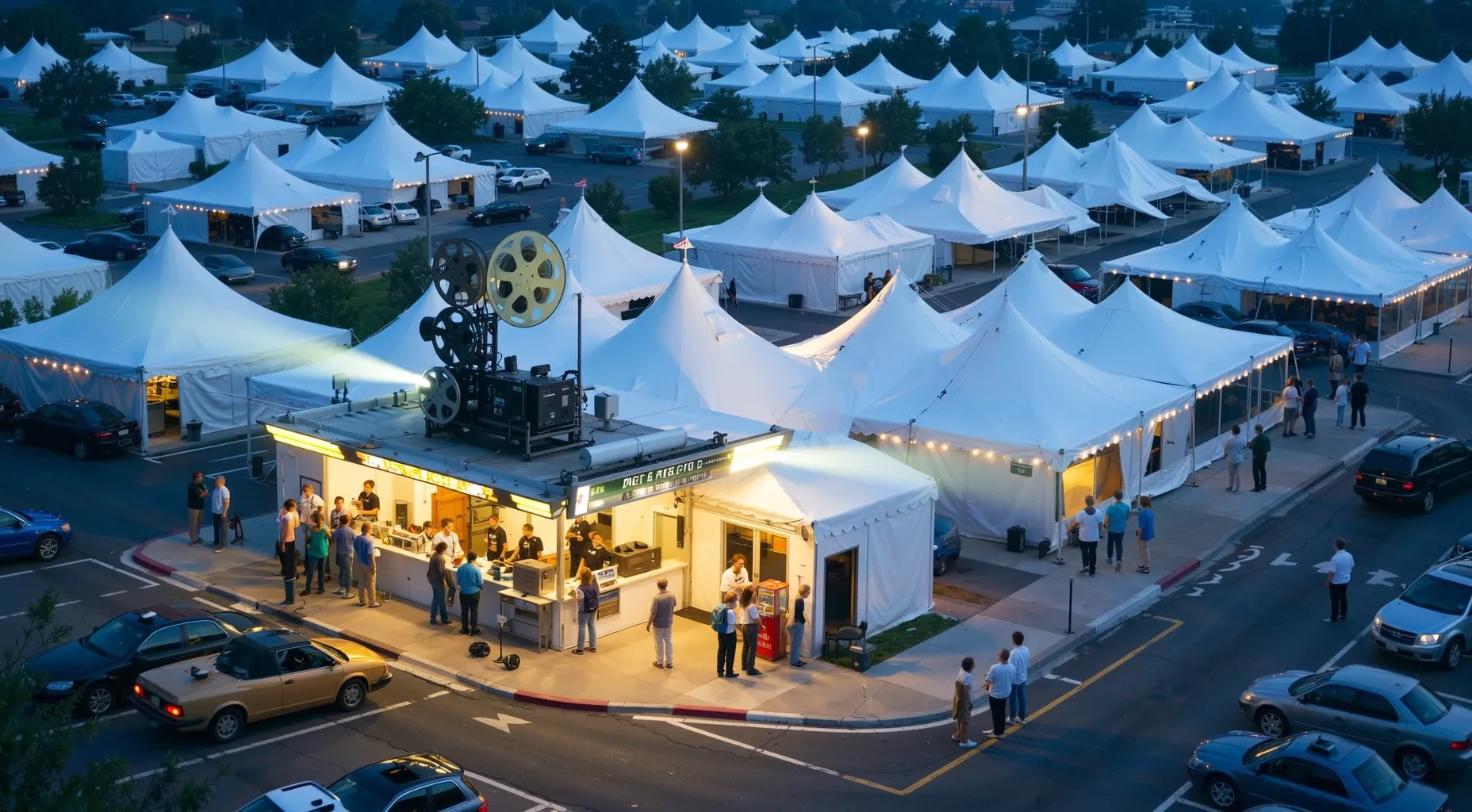
この産業コードに分類される施設は、車両の駐車とオーバーヘッドプロジェクション構造を備えた屋外会場で、観客にライブの映画上映を提供することに専念しています。これらの施設は、高品質の映画を投影しながら、車両を車輪またはループで配置できるように設計された、特殊な照明および音響システムに依存しています。典型的なビジネス活動には、最新の映画の1日の上映スケジュール、複雑なプロジェクションおよびオーディオ機器のメンテナンス、コンシションオペレーションの管理、および敷地のセキュリティと清潔の確保が含まれます。これらの運営は、季節的な気象パターンと地域の人口統計に大きく依存しており、多くの施設は主に暖かい時期に運営されています。 これらの映画館の多くは、さまざまな地域に複数のサイトを運営する大規模な企業によって所有および運営されています。独立した家族経営の企業または地元の公園も存在しますが、規模は、数人から数千人の訪問者をサービスする小さなコミュニティユニットから、毎年数千人規模の商業複合施設まで、幅広いです。この産業は、広範な地理的範囲をカバーしており、農村部の屋外設定から都市部の郊外まで広がっています。成功は、戦略的な場所の選択、家族や若年層に映画を上映するための効果的なマーケティング、および標準的なブロックバスター映画に加えて、地域の関心に合わせたプログラミングへの適応能力に依存しています。
Hierarchy
| Code | Title | Description |
|---|---|---|
| 51 | Information 2-digit sector | The Sector as a Whole The Information sector comprises establishments engaged in the following processes: (a) producing and distributing information and cultural products, (b) providing the means to transmit or distribute these products as well as data or communications, and (c) processing data. The main components of this sector are motion picture and sound recording industries; publishing industries, including software publishing; broadcasting and content providers; telecommunications industries; computing infrastructure providers, data processing, Web hosting, and related services; and Web search portals, libraries, archives, and other information services. The unique characteristics of information and cultural products, and of the processes involved in their production and distribution, distinguish the Information sector from the goods-producing and service-producing sectors. Some of these characteristics are: 1. Unlike traditional goods, an ''information or cultural product,'' such as an online newspaper or a television program, does not necessarily have tangible qualities, nor is it necessarily associated with a particular form. A movie can be viewed at a movie theater or through television broadcast, video-on-demand, or streaming services. A sound recording can be aired on radio, embedded in multimedia products, streamed, or sold at a record store. 2. Unlike traditional services, the delivery of these products does not require direct contact between the supplier and the consumer. 3. The value of these products to the consumer lies in their informational, educational, cultural, or entertainment content, not in the format in which they are distributed. Most of these products are protected from unlawful reproduction by copyright laws. 4. The intangible property aspect of information and cultural products makes the processes involved in their production and distribution very different from goods and services. Only those possessing the rights to these works are authorized to reproduce, alter, improve, and distribute them. Acquiring and using these rights often involves significant costs. In addition, technology has revolutionized the distribution of these products. It is possible to distribute them in a physical form, via broadcast, or online. 5. Distributors of information and cultural products can easily add value to the products they distribute. For instance, broadcasters add advertising not contained in the original product. This capacity means that unlike traditional goods distributors, they derive revenue not from sale of the distributed product to the final consumer, but from those who pay for the privilege of adding information to the original product. Similarly, a directory and mailing list publisher can acquire the rights to thousands of previously published newspaper and periodical articles and add new value by providing search and software and organizing the information in a way that facilitates research and retrieval. These products often command a much higher price than the original information. Excluded from this sector are establishments primarily engaged in custom design of software; mass reproducing software or other prerecorded audio and video material on magnetic or optical media; producing live artistic and cultural works or productions; and performing in or creating artistic and cultural works or productions as independent (i.e., freelance) individuals. |
| 512 | Motion Picture and Video Exhibition 3-digit subsector | Industries in the Motion Picture and Video Exhibition subsector group establishments involved in the operation of motion picture theaters and/or the exhibition of motion pictures or videos at film festivals, and so forth. These establishments provide a venue for the public to view motion pictures and videos. The exhibition of motion pictures and videos is a key component of the entertainment industry. This subsector does not include establishments primarily engaged in the wholesale distribution of video and sound recordings, such as compact discs and audio tapes; these establishments are included in the Wholesale Trade sector. Reproduction of video and sound recordings that is carried out separately from establishments engaged in production and distribution is treated in NAICS as a manufacturing activity. Establishments that primarily acquire the rights to distribute video and sound recordings to the public via television or radio broadcast or streaming distribution services are classified in Subsector 516, Broadcasting and Content Providers. Establishments using facilities and infrastructure that they operate to distribute cable and satellite television subscription programming are included in Subsector 517, Telecommunications. |
| 5121 | Motion Picture and Video Exhibition 4-digit industry group | This industry group comprises establishments primarily engaged in operating motion picture theaters and/or exhibiting motion pictures or videos at film festivals, and so forth. |
| 51213 | Motion Picture and Video Exhibition 5-digit NAICS industry | This industry comprises establishments primarily engaged in operating motion picture theaters and/or exhibiting motion pictures or videos at film festivals, and so forth. |
| 512132 | Drive-In Motion Picture Theaters 6-digit U.S. detail | この産業コードに分類される施設は、車両の駐車とオーバーヘッドプロジェクション構造を備えた屋外会場で、観客にライブの映画上映を提供することに専念しています。これらの施設は、高品質の映画を投影しながら、車両を車輪またはループで配置できるように設計された、特殊な照明および音響システムに依存しています。典型的なビジネス活動には、最新の映画の1日の上映スケジュール、複雑なプロジェクションおよびオーディオ機器のメンテナンス、コンシションオペレーションの管理、および敷地のセキュリティと清潔の確保が含まれます。これらの運営は、季節的な気象パターンと地域の人口統計に大きく依存しており、多くの施設は主に暖かい時期に運営されています。 これらの映画館の多くは、さまざまな地域に複数のサイトを運営する大規模な企業によって所有および運営されています。独立した家族経営の企業または地元の公園も存在しますが、規模は、数人から数千人の訪問者をサービスする小さなコミュニティユニットから、毎年数千人規模の商業複合施設まで、幅広いです。この産業は、広範な地理的範囲をカバーしており、農村部の屋外設定から都市部の郊外まで広がっています。成功は、戦略的な場所の選択、家族や若年層に映画を上映するための効果的なマーケティング、および標準的なブロックバスター映画に加えて、地域の関心に合わせたプログラミングへの適応能力に依存しています。 |
Need a supply chain stack that maps to this industry?
Use this NAICS classification as the starting point, then connect it to Item workflows across inventory, warehousing, order management, fulfillment, and transportation.
Index Items
ドライブイン映画館
ドライブイン映画館
映画館、ドライブイン
屋外映画館
ドライブイン映画館
屋外映画館
How Item Can Help
Optimizes inventory flow for movie reels and concession items by scanning high‑speed digital assets and managing fragile physical stock across multiple regional theaters.
Synchronizes real‑time ticket sales and concession orders to prevent overselling and streamline checkout processing during peak summer showtimes.
Coordinates the last‑mile delivery of special event merchandise and oversized props to remote drive‑in locations while tracking refrigerated concession shipments.
External Resources
Census.gov NAICS Detail
Official US Census Bureau definition and scope for NAICS 512132.
National Association of Drive-In Movie Theaters
The primary trade association representing drive-in cinema operators and providing industry news.
U.S. Census Bureau Drive-In Theaters Database
Official government resource listing all registered drive-in movie theaters by state and municipality.
IMAX Drive-In Theaters Directory
Industry directory maintained by IMAX identifying drive-in locations offering large-format digital screening technology.
