グリーティングカード発行業者
Description
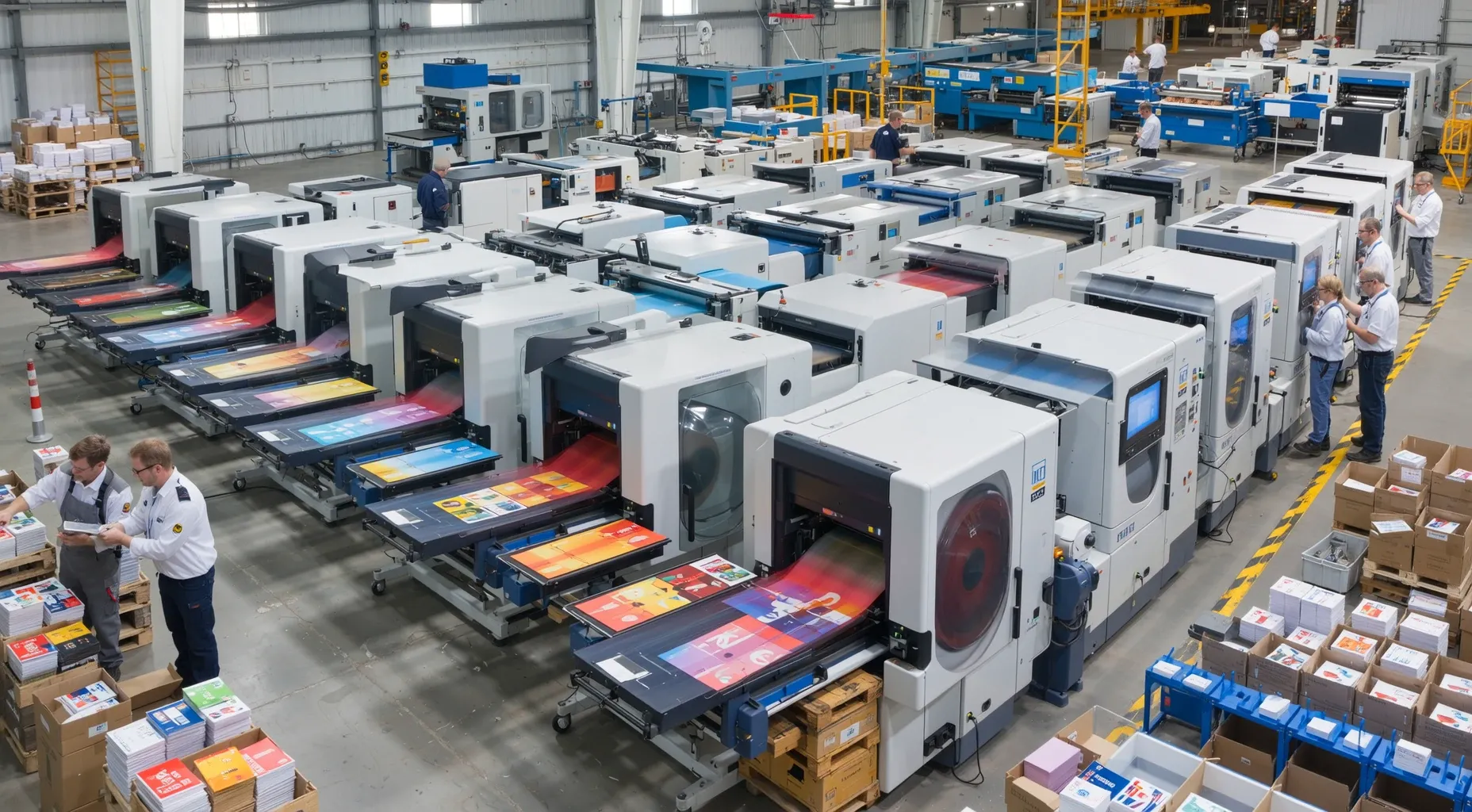
グリーティングカード発行業の施設は、お祝い、慰め、招待、その他の個人的なメッセージを伝えるために設計されたカードの作成と配布を専門としています。 彼らの主な活動には、デザインの概念化、アートワークの作成、および物理的な配送またはメールプラットフォームを介したデジタル配信の両方で送信できる素材の印刷が含まれます。 この分野の企業は、画像、テキストの作成、および年間を通して、特に休日中に季節的な需要を満たすための生産プロセスの管理を通常行います。 これらの企業は、ニッチ市場または独自のスタイルに焦点を当てている小規模な独立したデザイナーから、確立されたブランドの下で大量のカードを生産する大規模な企業まで、さまざまな規模の企業から構成されています。 多くの企業は、顧客がオンラインでメッセージをカスタマイズしてから、モバイルデバイスで瞬時に受信できるようにする電子配信オプションを採用しています。 これらの事業の範囲は、初期の創造開発から最終的なロジスティクスおよび販売チャネルに至るまで、サプライチェーン全体をカバーしています。 これらの企業は、製品の幅広い入手可能性を確保するために、小売業者、物理的なものとオンラインの両方と頻繁に協力しています。 伝統的なカード作成は依然として重要ですが、デジタル変革により、これらの発行業は、物理的なカードとデジタル形式のカードの両方を補完的なつながりの手段として、グローバルな視聴者にリーチできるようになりました。 この業界は、パーソナライゼーションとインタラクティブ性を向上させる新しいテクノロジーを統合することで進化し続けており、物理的なカードとデジタル形式の両方が共存する手段として機能します。
Hierarchy
| Code | Title | Description |
|---|---|---|
| 51 | Information 2-digit sector | The Sector as a Whole The Information sector comprises establishments engaged in the following processes: (a) producing and distributing information and cultural products, (b) providing the means to transmit or distribute these products as well as data or communications, and (c) processing data. The main components of this sector are motion picture and sound recording industries; publishing industries, including software publishing; broadcasting and content providers; telecommunications industries; computing infrastructure providers, data processing, Web hosting, and related services; and Web search portals, libraries, archives, and other information services. The unique characteristics of information and cultural products, and of the processes involved in their production and distribution, distinguish the Information sector from the goods-producing and service-producing sectors. Some of these characteristics are: 1. Unlike traditional goods, an ''information or cultural product,'' such as an online newspaper or a television program, does not necessarily have tangible qualities, nor is it necessarily associated with a particular form. A movie can be viewed at a movie theater or through television broadcast, video-on-demand, or streaming services. A sound recording can be aired on radio, embedded in multimedia products, streamed, or sold at a record store. 2. Unlike traditional services, the delivery of these products does not require direct contact between the supplier and the consumer. 3. The value of these products to the consumer lies in their informational, educational, cultural, or entertainment content, not in the format in which they are distributed. Most of these products are protected from unlawful reproduction by copyright laws. 4. The intangible property aspect of information and cultural products makes the processes involved in their production and distribution very different from goods and services. Only those possessing the rights to these works are authorized to reproduce, alter, improve, and distribute them. Acquiring and using these rights often involves significant costs. In addition, technology has revolutionized the distribution of these products. It is possible to distribute them in a physical form, via broadcast, or online. 5. Distributors of information and cultural products can easily add value to the products they distribute. For instance, broadcasters add advertising not contained in the original product. This capacity means that unlike traditional goods distributors, they derive revenue not from sale of the distributed product to the final consumer, but from those who pay for the privilege of adding information to the original product. Similarly, a directory and mailing list publisher can acquire the rights to thousands of previously published newspaper and periodical articles and add new value by providing search and software and organizing the information in a way that facilitates research and retrieval. These products often command a much higher price than the original information. Excluded from this sector are establishments primarily engaged in custom design of software; mass reproducing software or other prerecorded audio and video material on magnetic or optical media; producing live artistic and cultural works or productions; and performing in or creating artistic and cultural works or productions as independent (i.e., freelance) individuals. |
| 513 | Publishing Industries 3-digit subsector | Industries in the Publishing Industries subsector group establishments engaged in publishing newspapers, magazines, other periodicals, books, directories, and software. In general, establishments known as publishers issue copies of works for which they usually possess copyright. Works may be in one or more formats including print form, CD-ROM, proprietary electronic networks, or exclusively on the Internet. Publishers may publish works originally created by others for which they have obtained the rights and/or works that they have created in-house. Publishers may publish only and license rights to others to distribute their content, or they may publish and distribute content they create or own. Software publishing is included here because the activity, creation of a copyrighted product and bringing it to market, is equivalent to the creation process for other types of intellectual products. In NAICS, publishing--the reporting, writing, editing, and other processes that are required to create an edition of a newspaper, for example--is treated as a major economic activity in its own right, rather than as a subsidiary activity to a manufacturing activity, printing. Thus, publishing is classified in the Information sector; whereas, printing is in the Manufacturing sector. The Publishing Industries subsector excludes printed products, such as manifold business forms and appointment books, for which information is not the essential component. Establishments producing these items are included in Subsector 323, Printing and Related Support Activities. Reproduction of prepackaged software is treated in NAICS as a manufacturing activity, and custom design of software to client specifications is included in the Professional, Scientific, and Technical Services sector. These distinctions arise because of the different ways that software is created, reproduced, and distributed. Music publishers and establishments primarily engaged in the production, or production and distribution, of motion pictures and sound recordings are included in Subsector 512, Motion Picture and Sound Recording Industries. Establishments not engaged in publishing and exclusively obtaining rights from publishers to broadcast and distribute content are included in Subsector 516, Broadcasting and Content Providers. |
| 5131 | Newspaper, Periodical, Book, and Directory Publishers 4-digit industry group | This industry group comprises establishments primarily engaged in publishing newspapers, magazines, other periodicals, books, directories and mailing lists, and other works, such as calendars, greeting cards, and maps. These works are characterized by the intellectual creativity required in their development and are usually protected by copyright. Publishers distribute or arrange for the distribution of these works. Publishing establishments may create the works in-house, or contract for, purchase, or compile works that were originally created by others. These works may be published in one or more formats, such as print and/or electronic form, including proprietary electronic networks or exclusively on the Internet. Establishments in this industry may print, reproduce, or offer direct access to the works themselves or may arrange with others to carry out such functions. Establishments that both print and publish may fill excess capacity with commercial or job printing. However, the publishing activity is still considered to be the primary activity of these establishments. |
| 51319 | Other Publishers 5-digit NAICS industry | This industry comprises establishments known as publishers (except newspaper, magazine, book, directory, mailing list, music, and software publishers). These establishments may publish works in print or electronic form, including exclusively on the Internet. Illustrative Examples: Art publishers Greeting card publishers Calendar publishers |
| 513191 | グリーティングカード発行業者 6-digit U.S. detail | グリーティングカード発行業の施設は、お祝い、慰め、招待、その他の個人的なメッセージを伝えるために設計されたカードの作成と配布を専門としています。 彼らの主な活動には、デザインの概念化、アートワークの作成、および物理的な配送またはメールプラットフォームを介したデジタル配信の両方で送信できる素材の印刷が含まれます。 この分野の企業は、画像、テキストの作成、および年間を通して、特に休日中に季節的な需要を満たすための生産プロセスの管理を通常行います。 これらの企業は、ニッチ市場または独自のスタイルに焦点を当てている小規模な独立したデザイナーから、確立されたブランドの下で大量のカードを生産する大規模な企業まで、さまざまな規模の企業から構成されています。 多くの企業は、顧客がオンラインでメッセージをカスタマイズしてから、モバイルデバイスで瞬時に受信できるようにする電子配信オプションを採用しています。 これらの事業の範囲は、初期の創造開発から最終的なロジスティクスおよび販売チャネルに至るまで、サプライチェーン全体をカバーしています。 これらの企業は、製品の幅広い入手可能性を確保するために、小売業者、物理的なものとオンラインの両方と頻繁に協力しています。 伝統的なカード作成は依然として重要ですが、デジタル変革により、これらの発行業は、物理的なカードとデジタル形式のカードの両方を補完的なつながりの手段として、グローバルな視聴者にリーチできるようになりました。 この業界は、パーソナライゼーションとインタラクティブ性を向上させる新しいテクノロジーを統合することで進化し続けており、物理的なカードとデジタル形式の両方が共存する手段として機能します。 |
Need a supply chain stack that maps to this industry?
Use this NAICS classification as the starting point, then connect it to Item workflows across inventory, warehousing, order management, fulfillment, and transportation.
Classification References
- 01主に挨拶状の印刷に特化した事業は、32311、印刷業に分類されます。
Index Items
挨拶状の出版業者
挨拶状の出版業者(ただし、独占的なインターネット出版を除く)
挨拶状の出版業者と印刷業の組み合わせ
挨拶状の出版業者、インターネットのみ
挨拶状の出版業者(ただし、独占的なインターネット出版を除く)
挨拶状の出版業者
挨拶状の出版業者、印刷業との組み合わせ
挨拶状の出版業者、インターネット
How Item Can Help
Analyzes sales patterns and regional preferences to predict demand spikes, enabling proactive production scheduling and reduced holding costs.
External Resources
Census.gov NAICS Detail
Official US Census Bureau definition and scope for NAICS 513191.
Association of American Card Manufacturers
A major trade association representing manufacturers, designers, and publishers in the greeting card industry.
U.S. Census Bureau NAICS Data
Official government data and definitions for NAICS 513191 used for statistical analysis and reporting.
Industry Directory of Card Companies
A directory of active companies within the card manufacturing and publishing sector.
