Zuckerrohranbau
Beschreibung
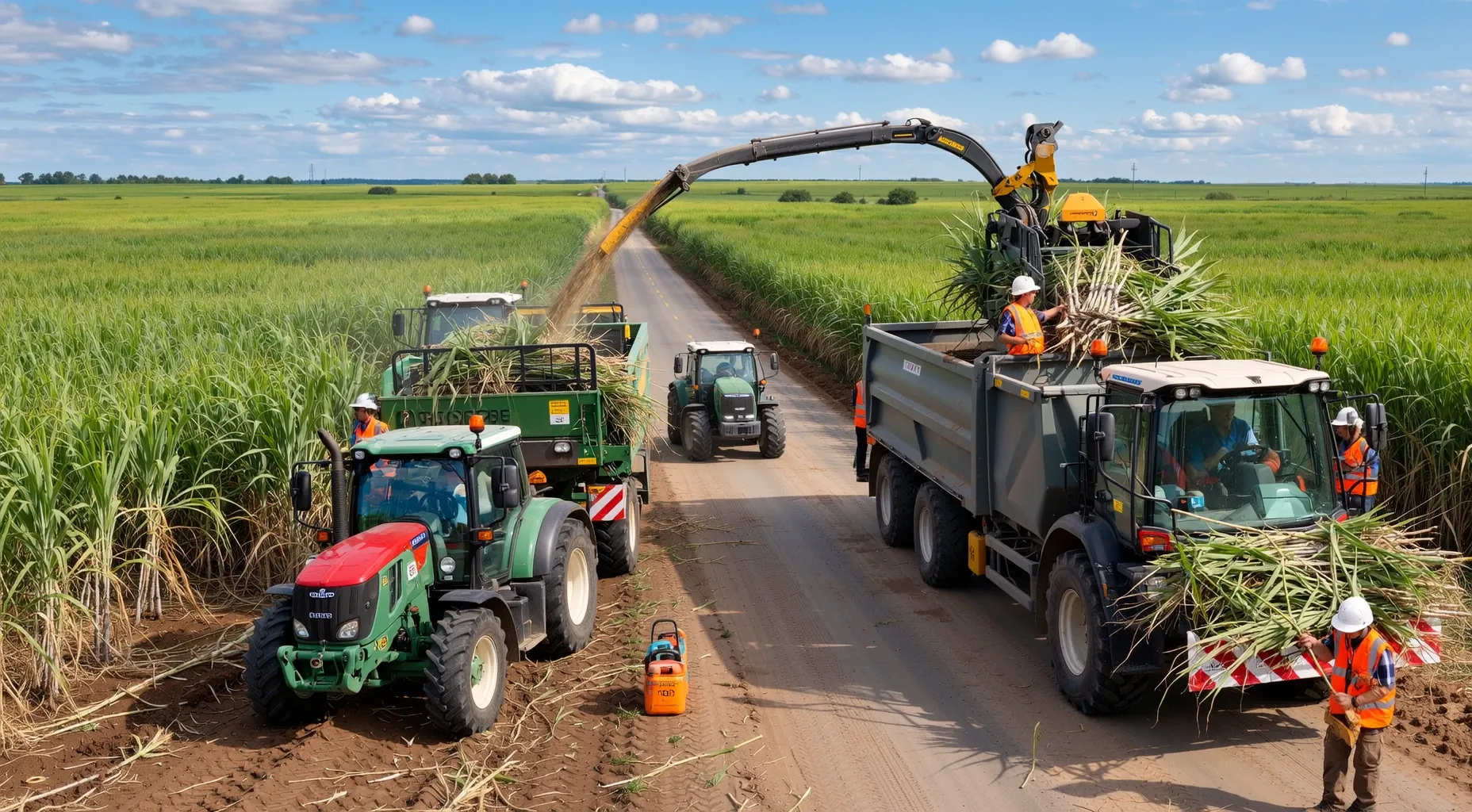
Betriebe, die unter Zuckerrohranbau fallen, widmen sich dem Anbau, der Ernte und der ersten Verarbeitung von Zuckerrohr für Lebensmittel, Futtermittel und industrielle Zwecke. Diese Betriebe umfassen die Bewirtschaftung riesiger Plantagen, auf denen große Mengen der Pflanze unter spezifischen agronomischen Bedingungen angebaut werden, um den Ertrag und den Zuckergehalt zu maximieren. Typische Geschäftstätigkeiten umfassen das Pflanzen, Pflegen, Bewässern und Ernten der Kulturpflanze, oft gefolgt von der Mahlung zur Zuckerausgewinnung, bevor der Zucker an Raffinerien oder Lebensmittelverarbeiter verteilt wird. Einige Unternehmen betreiben eigene Mühlen oder schließen Verträge direkt mit größeren Industrieanlagen für die Verarbeitung ab. Die Arten von Betreibern reichen von kleinen, familiengeführten Farmen in Regionen wie Louisiana und Hawaii bis hin zu riesigen Unternehmensbetrieben, die Tausende von Acres in mehreren Bundesstaaten verwalten. Diese groß angelegten Betriebe nutzen häufig spezialisierte Maschinen für die automatisierte Ernte und das effiziente Feldmanagement. Der Umfang dieser Branche geht über die einfache Landwirtschaft hinaus, da sie als kritischer vorgelagerter Lieferant für die Zucker- und Ethanolproduktion dient. Die Wirtschaft in bestimmten ländlichen Gebieten hängt stark von diesen Zuckerrohrbetrieben ab, die Arbeitsplätze schaffen und verwandte Dienstleistungsindustrien wie Transport, Gerätevermietung und Chemikalienverteilung unterstützen. Die Branche trägt wesentlich zur regionalen Landwirtschaft bei, indem sie die Anbaumanendiversität ausgleicht und gleichzeitig die konstante inländische und internationale Nachfrage nach Süßungsmitteln und Biokraftstoffen deckt.
Hierarchie
| Code | Titel | Beschreibung |
|---|---|---|
| 11 | Land-, Forst- und Fischerei sowie Jagd 2-stelliger Sektor | Der Sektor als Ganzes Der Sektor Land-, Forst-, Fischerei- und Jagdwirtschaft umfasst Betriebe, die hauptsächlich mit dem Anbau von Feldfrüchten, der Tierhaltung, der Holzernte sowie der Ernte von Fischen und anderen Tieren aus einem Bauernhof, einer Ranch oder ihren natürlichen Lebensräumen befasst sind. Die Betriebe in diesem Sektor werden oft als Bauernhöfe, Ranchs, Milchviehanlagen, Gewächshäuser, Baumschulen, Obstgärten oder Brutstätten beschrieben. Ein Bauernhof kann aus einem einzigen Grundstück oder aus mehreren separaten Grundstücken bestehen, die unter unterschiedlichen Pachtverhältnissen gehalten werden. Beispielsweise kann ein Grundstück vom Betreiber des Hofes besessen und ein anderes gemietet sein. Er kann allein vom Betreiber oder mit Hilfe von Haushaltsmitgliedern oder Angestellten betrieben werden, oder er kann von einer Partnerschaft, einer Gesellschaft oder einer anderen Art von Organisation betrieben werden. Wenn ein Landbesitzer einen oder mehrere Pächter, Mieter, Anbauer oder Verwalter hat, gilt das von jedem betriebene Land als Bauernhof. Der Sektor unterscheidet zwei grundlegende Tätigkeiten: die landwirtschaftliche Produktion und die landwirtschaftlichen Unterstützungsleistungen. Die landwirtschaftliche Produktion umfasst Betriebe, die den gesamten Betrieb eines Bauernhofs oder einer Ranch durchführen, wie beispielsweise selbstständige Landwirte und Pächterlandwirte. Die landwirtschaftlichen Unterstützungsleistungen umfassen Betriebe, die eine oder mehrere Tätigkeiten im Zusammenhang mit dem Hofbetrieb ausführen, wie z. B. Bodenbearbeitung, Aussaat, Ernte und Bewirtschaftung, auf Vertrags- oder Honorarbasis. Von der Land-, Forst-, Fischerei- und Jagdwirtschaft sind Betriebe ausgeschlossen, die sich hauptsächlich mit landwirtschaftlicher Forschung befassen (z. B. Versuchsanbaubetriebe) und staatliche Einrichtungen, die sich hauptsächlich mit der Verwaltung von Programmen zur Regulierung und Erhaltung der Land-, Mineral-, Wildtier- und Forstnutzung befassen. Diese Betriebe werden bzw. in der Branche 54171, Forschung und Entwicklung in den Natur-, Ingenieur- und Lebenswissenschaften; und in der Branche 92412, Verwaltung von Naturschutzprogrammen, klassifiziert. |
| 111 | Ernteproduktion 3-stelliger Teilsektor | Die Industrien im Untersektor der Pflanzenproduktion bauen hauptsächlich Nahrungsmittel und Fasern an. Der Untersektor umfasst Betriebe wie landwirtschaftliche Betriebe, Obstgärten, Weinberge, Gewächshäuser und Baumschulen, die hauptsächlich mit dem Anbau von Pflanzen, Kulturen, Weinreben oder Bäumen und deren Samen befasst sind. Die Industrien in diesem Untersektor werden nach Ähnlichkeit der Produktionsaktivität gruppiert, einschließlich biologischer und physiologischer Merkmale sowie wirtschaftlicher Anforderungen, der Dauer der Vegetationsperiode, des Grades der Fruchtfolge, des Umfangs der Input-Spezialisierung, des Arbeitskräftebedarfs und des Kapitalbedarfs. Der Produktionsprozess ist typischerweise abgeschlossen, wenn das Rohprodukt oder die Ware, die angebaut wurde, den „Hofausgang“ für den Markt erreicht, d. h. am Punkt des ersten Verkaufs oder der Preisbestimmung. Betriebe werden im Untersektor der Pflanzenproduktion klassifiziert, wenn der Pflanzenanbau (d. h. der Wert der Ernte für den Markt) ein halbes oder mehr der gesamten landwirtschaftlichen Produktion des Betriebs ausmacht. Innerhalb des Untersektors werden Betriebe in einer bestimmten Industrie klassifiziert, wenn ein Produkt oder eine Produktfamilie (d. h. Ölsaat- und Getreideanbau, Gemüse- und Melonenanbau, Obst- und Nussbaumkulturen) ein halbes oder mehr der landwirtschaftlichen Produktion des Betriebs ausmacht. Betriebe mit einem halben oder mehr Pflanzenanbau, bei denen kein Produkt oder keine Produktfamilie einer Industrie ein halbes der landwirtschaftlichen Produktion des Betriebs ausmacht, werden als allgemeiner Mischkulturanbau behandelt und in Industrie 11199, Alle anderen Pflanzenbau, eingestuft. Die Industrien im Untersektor der Pflanzenproduktion umfassen Betriebe, die besitzen, betreiben und verwalten, sowie solche, die nur betreiben und verwalten. Diejenigen, die nur verwalten, werden im Untersektor 115, Unterstützende Tätigkeiten für Landwirtschaft und Forstwirtschaft, klassifiziert. Betriebe, die Wasserpflanzen in kontrollierten oder ausgewählten aquatischen Umgebungen züchten, werden im Untersektor 112, Tierhaltung und Aquakultur, klassifiziert. |
| 1119 | Sonstige Pflanzenbau 4-stellige Branchengruppe | Diese Industriegruppe umfasst Betriebe, die sich hauptsächlich mit (1) dem Anbau von Pflanzen (mit Ausnahme von Ölsaat und/oder Getreide; Gemüse und/oder Melone; Obst und Nuss; sowie Gewächshaus-, Baumschule- und/oder Blumenkulturen) beschäftigen, wie beispielsweise Tabak, Baumwolle, Zuckerrohr, Heu, Zuckerrüben, Erdnüsse, Agaven, Kräuter und Gewürze sowie Samen für Heu und Gras, oder (2) dem Anbau einer Kombination von Pflanzen (mit Ausnahme einer Kombination aus Ölsaat(en) und Getreide(n) sowie einer Kombination aus Obst(en) und Nüssen). |
| 11193 | Zuckerrohranbau 5-stellige NAICS-Branche | Siehe Branchenbeschreibung für 111930. |
| 111930 | Zuckerrohranbau 6-stelliger US-Detailcode | Betriebe, die unter Zuckerrohranbau fallen, widmen sich dem Anbau, der Ernte und der ersten Verarbeitung von Zuckerrohr für Lebensmittel, Futtermittel und industrielle Zwecke. Diese Betriebe umfassen die Bewirtschaftung riesiger Plantagen, auf denen große Mengen der Pflanze unter spezifischen agronomischen Bedingungen angebaut werden, um den Ertrag und den Zuckergehalt zu maximieren. Typische Geschäftstätigkeiten umfassen das Pflanzen, Pflegen, Bewässern und Ernten der Kulturpflanze, oft gefolgt von der Mahlung zur Zuckerausgewinnung, bevor der Zucker an Raffinerien oder Lebensmittelverarbeiter verteilt wird. Einige Unternehmen betreiben eigene Mühlen oder schließen Verträge direkt mit größeren Industrieanlagen für die Verarbeitung ab. Die Arten von Betreibern reichen von kleinen, familiengeführten Farmen in Regionen wie Louisiana und Hawaii bis hin zu riesigen Unternehmensbetrieben, die Tausende von Acres in mehreren Bundesstaaten verwalten. Diese groß angelegten Betriebe nutzen häufig spezialisierte Maschinen für die automatisierte Ernte und das effiziente Feldmanagement. Der Umfang dieser Branche geht über die einfache Landwirtschaft hinaus, da sie als kritischer vorgelagerter Lieferant für die Zucker- und Ethanolproduktion dient. Die Wirtschaft in bestimmten ländlichen Gebieten hängt stark von diesen Zuckerrohrbetrieben ab, die Arbeitsplätze schaffen und verwandte Dienstleistungsindustrien wie Transport, Gerätevermietung und Chemikalienverteilung unterstützen. Die Branche trägt wesentlich zur regionalen Landwirtschaft bei, indem sie die Anbaumanendiversität ausgleicht und gleichzeitig die konstante inländische und internationale Nachfrage nach Süßungsmitteln und Biokraftstoffen deckt. |
Benötigen Sie eine Supply-Chain-Plattform, die zu dieser Branche passt?
Nutzen Sie diese NAICS-Klassifizierung als Ausgangspunkt und verbinden Sie sie anschließend mit Item-Workflows für Bestand, Lager, Auftragsverwaltung, Fulfillment und Transport.
Indexeinträge
Zuckerrohranbau, Zucker, Feldproduktion
Zuckerrohranbau, Feldproduktion
Wie Item helfen kann
Optimiert den Feld-zu-Fabrik-Inventar durch die Verfolgung von Zuckerrohrchargen durch klimasensible Lagerung und gewährleistet eine Just-in-Time-Lieferung zu den Mühlen. Das System überwacht das Verfallsdatum, um Ernteverluste während saisonaler Schwankungen zu reduzieren.
Koordination mit mehreren Distributoren und lokalen Käufern, um die Echtzeit-Ernteverfügbarkeit mit der Marktnachfrage abzugleichen, was die Zahlungszyklen und die Auftragsabwicklung beschleunigt. Intelligente Routenplanung passt Versandpläne basierend auf Wetterauswirkungen und Straßenbedingungen an.
Analysiert historische Wetter- und Bodenmuster, um optimale Erntezeitfenster vorherzusagen und Landwirten so zu helfen, den Ertrag zu maximieren und den Pflanzenstress zu minimieren. Prädiktive Modelle identifizieren Lieferunterbrechungen, bevor sie auftreten, und ermöglichen eine proaktive Neubewertung der Lagerbestände.
Item.com-Tools
Externe Ressourcen
Census.gov NAICS-Details
Offizielle Definition und Geltungsbereich des US Census Bureau für NAICS 111930.
Zuckerrohrinstitut
Ein Handelsverband, der sich für die Weiterentwicklung der Zuckerrohrindustrie durch Forschung und Marktinformationen einsetzt.
Landwirtschaftsministerium der Vereinigten Staaten – Bauernhof-Feature
Eine Regierungsseite mit Statistiken und Berichten zur Zuckerrohrproduktion in den Vereinigten Staaten.
Sugarcane.org Branchenverzeichnis
Eine gemeinnützige Organisation, die Ressourcen und ein Verzeichnis für nachhaltige Zuckerrohranbaumpraktiken anbietet.
