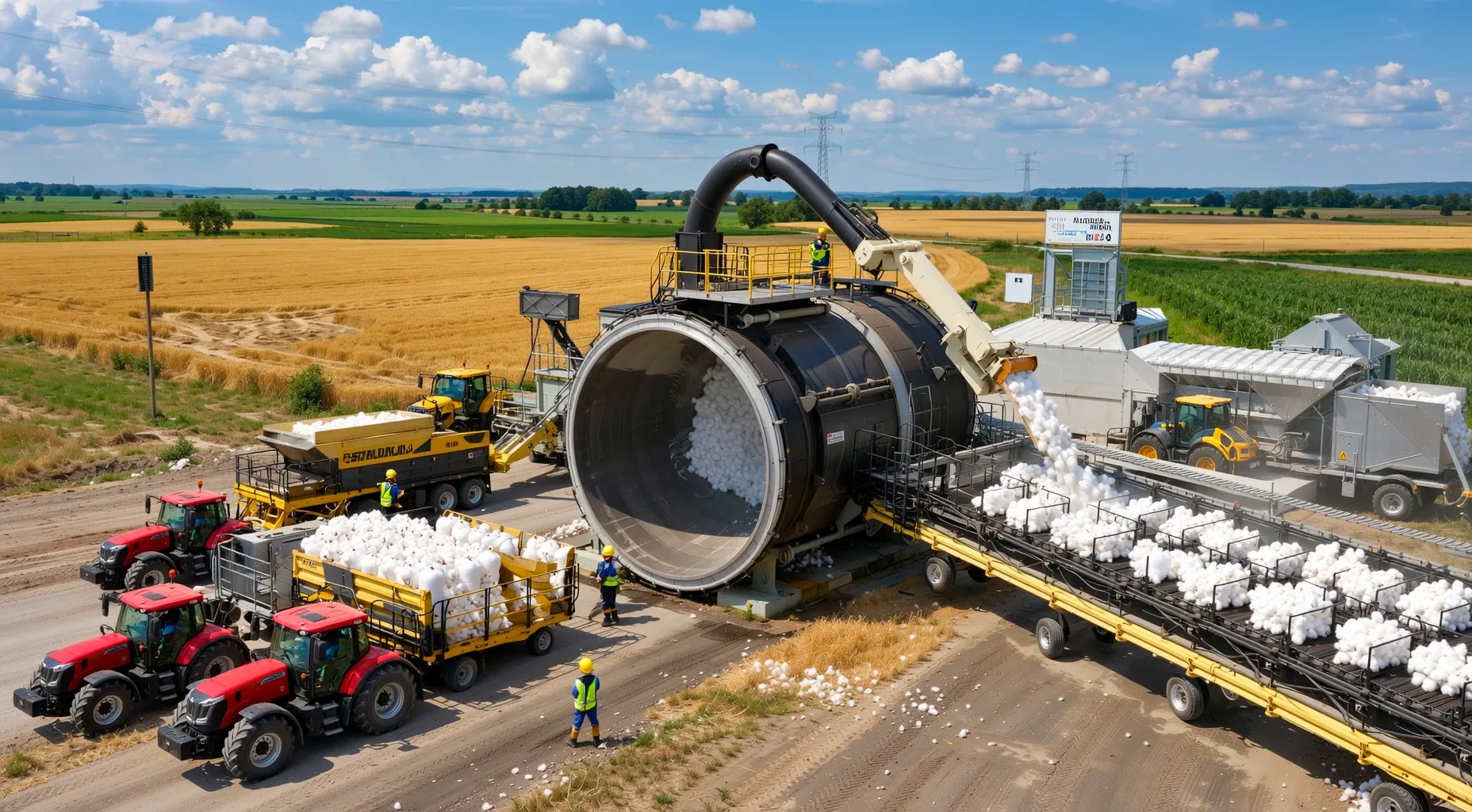
棉花脱绒
Description
棉花脱绒是一种专门的农业作业,旨在将棉纤维与种子分离,以创建适合纺织品制造的压缩棉。 该过程通常从将原始棉,通常来自附近的农场,运送到脱绒设施开始,其中机械设备执行关键的分离任务。 操作人员维护大型的自动化机器,用于清洁、打开和提取棉纤维,然后将其压缩成均匀的捆,以便储存或运输。 除了主要的脱绒功能外,这些设施通常还提供相关的服务,如棉花营销和销售。 一些设施还提供脱绒支持服务,包括称重、质量测试和储存,从而有效地充当棉花贸易人和生产者的区域枢纽。 这些运营在规模上差异很大,从小型家庭农场管理几英亩到大型企业管理数千英亩。 虽然大多数位于以棉花生产地区而闻名的州,但一些大型工业综合体也扩展到当地农业较不常见的州。 该行业在更广泛的农业经济中发挥着重要作用,作为将原始农民与全球纺织品市场之间的关键纽带。 通过将大批量农产品加工成市场可用的商品,棉花脱绒商确保供应链的效率,并确保满足纺织行业对高质量纤维的需求,该纤维可以在美国南部和西部持续生产。 这些设施主要从事棉花脱绒,去除种子。 这些设施通常属于私营农业公司、大型公司或独立的家庭农场。 工作人员通过机械过程处理棉花捆,产生清洁的纤维和原始棉籽。 棉花脱绒设施将收获的棉花转化为可用的纤维,通过一个严格的工业过程,将棉纤维与种子分离。 这些设施通常由大型农业公司或专门的独立公司运营,处理国内棉的绝大部分。 作为纺织供应链的关键环节,脱绒是农业与制造之间的基本桥梁。 操作人员必须保持精确的湿度控制和一致的产量,以满足下游纺纱厂的严格质量标准,确保原材料对全球纺织行业具有可行性。 棉花脱绒行业的重点是分离原始棉籽与棉纤维的机械过程,将收获的棉花捆转化为适合纺织品制造的可用纤维。 这是一个农业价值链中的首要加工步骤,涉及专门的设备,如进料斗、棉纤维输送机和种子输送机,这些设备可以高效地处理分离过程。 该行业的首要活动是质量控制,脱绒操作人员不断监测棉纤维的含水量、纤维长度和棉纤维指数,以确保在捆装和储存之前,棉纤维符合特定的等级标准。 结果的种子副产品,称为棉籽,通常用于提取油或饲养牲畜,从而最大限度地提高作物的经济效益。 在该行业内的企业结构从高度专业化的、由业主运营的脱绒厂,为当地农场服务,到大型的工业综合体,为区域或国家市场处理棉花,范围广泛。 虽然许多脱绒厂以独立的家庭企业为基础,拥有小到中等规模的员工,但有一个趋势是合并,即公司合并以实现规模经济,尤其是在棉花种植密集地区的。 这些运营通常使用专有软件来管理库存、跟踪收获量和协调交付,这反映了向数据驱动的管理转变。 运营的规模因靠近纺织厂或棉籽油精炼厂而异,这决定了购买和处理的棉花数量。 物流和供应链管理对于脱绒的成功至关重要,因为该行业严重依赖于农民和加工设施之间的及时协调。 脱绒厂必须管理从农场运送原始棉花捆到加工设施,以及从加工设施运送成品棉纤维和种子的复杂网络。 天气模式和作物可用性直接影响运营时间表,通常需要脱绒厂在淡季保持大量的原始棉库存,以避免闲置时间。 此外,原始棉的易腐性需要严格遵守储存条件,以防止霉变或降解,因此,高效的运输安排和可靠的运输伙伴对于保持产品质量和市场竞争力至关重要。
Hierarchy
| Code | Title | Description |
|---|---|---|
| 11 | 农业、林业、渔业和狩猎 2-digit sector | 整个行业 农业、林业、渔业和狩猎行业主要从事种植作物、饲养动物、采伐木材和从农场、牧场或其自然栖息地捕捞鱼类和其他动物的场所。 该行业的场所通常被称为农场、牧场、乳牛场、温室、苗圃、果园或孵化场。一个农场可能由一块或多块土地组成,这些土地可能由不同的所有权方持有。例如,一块土地可能由农场经营者拥有,另一块土地则出租。它可能由经营者、家庭成员或雇员单独经营,也可能由合伙企业、公司或其他类型的组织经营。当土地所有者拥有一个或多个租户、出租人、种植者或经理时,由每个人经营的土地被视为农场。 该行业区分了两种基本活动:农业生产和农业支持活动。农业生产包括从事完整农场或牧场运营的场所,例如农场经营者和租地农场经营者。农业支持活动包括从事与农场运营相关的活动(如土壤准备、播种、收获和管理)的场所,这些活动以合同或按需方式进行。 从农业、林业、渔业和狩猎行业中排除的是主要从事农业研究(例如实验农场)和主要从事管理和保护土地、矿产、野生动物和森林使用的程序的政府机构的场所。这些场所分别归类为行业 54171、物理、工程和生命科学领域的研究和开发;和行业 92412、保护项目管理。 |
| 115 | 农业和林业支持活动 3-digit subsector | 农业和林业支持活动子行业的行业提供对农业和林业生产必不可少的支持服务。这些支持活动可能由农业或林业生产场所进行,也可能作为生产过程所需输入的一种替代来源独立进行。主要独立于农业或林业生产场所进行这些活动的场所属于该子行业。 |
| 1151 | 作物生产支持活动 4-digit industry group | 农业和林业支持活动子行业的行业提供对农业和林业生产必不可少的支持服务。这些支持活动可能由农业或林业生产场所进行,也可能作为生产过程所需输入的一种替代来源独立进行。主要独立于农业或林业生产场所进行这些活动的场所属于该子行业。 |
| 11511 | 作物生产支持活动 5-digit NAICS industry | 该行业主要从事为种植作物提供支持活动的事业。 示例: 空中作物喷洒或喷雾(即使用专用或专用飞机) 农场管理服务 棉花脱棉 种植作物 耕作服务 葡萄园耕作服务 |
| 115111 | 棉花脱绒 6-digit U.S. detail | 棉花脱绒是一种专门的农业作业,旨在将棉纤维与种子分离,以创建适合纺织品制造的压缩棉。 该过程通常从将原始棉,通常来自附近的农场,运送到脱绒设施开始,其中机械设备执行关键的分离任务。 操作人员维护大型的自动化机器,用于清洁、打开和提取棉纤维,然后将其压缩成均匀的捆,以便储存或运输。 除了主要的脱绒功能外,这些设施通常还提供相关的服务,如棉花营销和销售。 一些设施还提供脱绒支持服务,包括称重、质量测试和储存,从而有效地充当棉花贸易人和生产者的区域枢纽。 这些运营在规模上差异很大,从小型家庭农场管理几英亩到大型企业管理数千英亩。 虽然大多数位于以棉花生产地区而闻名的州,但一些大型工业综合体也扩展到当地农业较不常见的州。 该行业在更广泛的农业经济中发挥着重要作用,作为将原始农民与全球纺织品市场之间的关键纽带。 通过将大批量农产品加工成市场可用的商品,棉花脱绒商确保供应链的效率,并确保满足纺织行业对高质量纤维的需求,该纤维可以在美国南部和西部持续生产。 这些设施主要从事棉花脱绒,去除种子。 这些设施通常属于私营农业公司、大型公司或独立的家庭农场。 工作人员通过机械过程处理棉花捆,产生清洁的纤维和原始棉籽。 棉花脱绒设施将收获的棉花转化为可用的纤维,通过一个严格的工业过程,将棉纤维与种子分离。 这些设施通常由大型农业公司或专门的独立公司运营,处理国内棉的绝大部分。 作为纺织供应链的关键环节,脱绒是农业与制造之间的基本桥梁。 操作人员必须保持精确的湿度控制和一致的产量,以满足下游纺纱厂的严格质量标准,确保原材料对全球纺织行业具有可行性。 棉花脱绒行业的重点是分离原始棉籽与棉纤维的机械过程,将收获的棉花捆转化为适合纺织品制造的可用纤维。 这是一个农业价值链中的首要加工步骤,涉及专门的设备,如进料斗、棉纤维输送机和种子输送机,这些设备可以高效地处理分离过程。 该行业的首要活动是质量控制,脱绒操作人员不断监测棉纤维的含水量、纤维长度和棉纤维指数,以确保在捆装和储存之前,棉纤维符合特定的等级标准。 结果的种子副产品,称为棉籽,通常用于提取油或饲养牲畜,从而最大限度地提高作物的经济效益。 在该行业内的企业结构从高度专业化的、由业主运营的脱绒厂,为当地农场服务,到大型的工业综合体,为区域或国家市场处理棉花,范围广泛。 虽然许多脱绒厂以独立的家庭企业为基础,拥有小到中等规模的员工,但有一个趋势是合并,即公司合并以实现规模经济,尤其是在棉花种植密集地区的。 这些运营通常使用专有软件来管理库存、跟踪收获量和协调交付,这反映了向数据驱动的管理转变。 运营的规模因靠近纺织厂或棉籽油精炼厂而异,这决定了购买和处理的棉花数量。 物流和供应链管理对于脱绒的成功至关重要,因为该行业严重依赖于农民和加工设施之间的及时协调。 脱绒厂必须管理从农场运送原始棉花捆到加工设施,以及从加工设施运送成品棉纤维和种子的复杂网络。 天气模式和作物可用性直接影响运营时间表,通常需要脱绒厂在淡季保持大量的原始棉库存,以避免闲置时间。 此外,原始棉的易腐性需要严格遵守储存条件,以防止霉变或降解,因此,高效的运输安排和可靠的运输伙伴对于保持产品质量和市场竞争力至关重要。 |
Need a supply chain stack that maps to this industry?
Use this NAICS classification as the starting point, then connect it to Item workflows across inventory, warehousing, order management, fulfillment, and transportation.
Index Items
棉花脱絮
脱絮棉花
How Item Can Help
Analyzes historical yield data and weather patterns to predict raw cotton flow volumes, helping gins proactively adjust processing capacity and resource allocation before bottlenecks occur.
Item.com Tools
External Resources
Census.gov NAICS Detail
Official US Census Bureau definition and scope for NAICS 115111.
American Association of Cotton Ginnings
The primary trade association for cotton gin operators in North America.
USDA Economic Research Service Cotton Sector
Government resource providing data and analysis on cotton production, pricing, and market trends.
Cotton Information Center
Non-profit organization dedicated to advancing cotton farming and the cotton industry through education and research.
