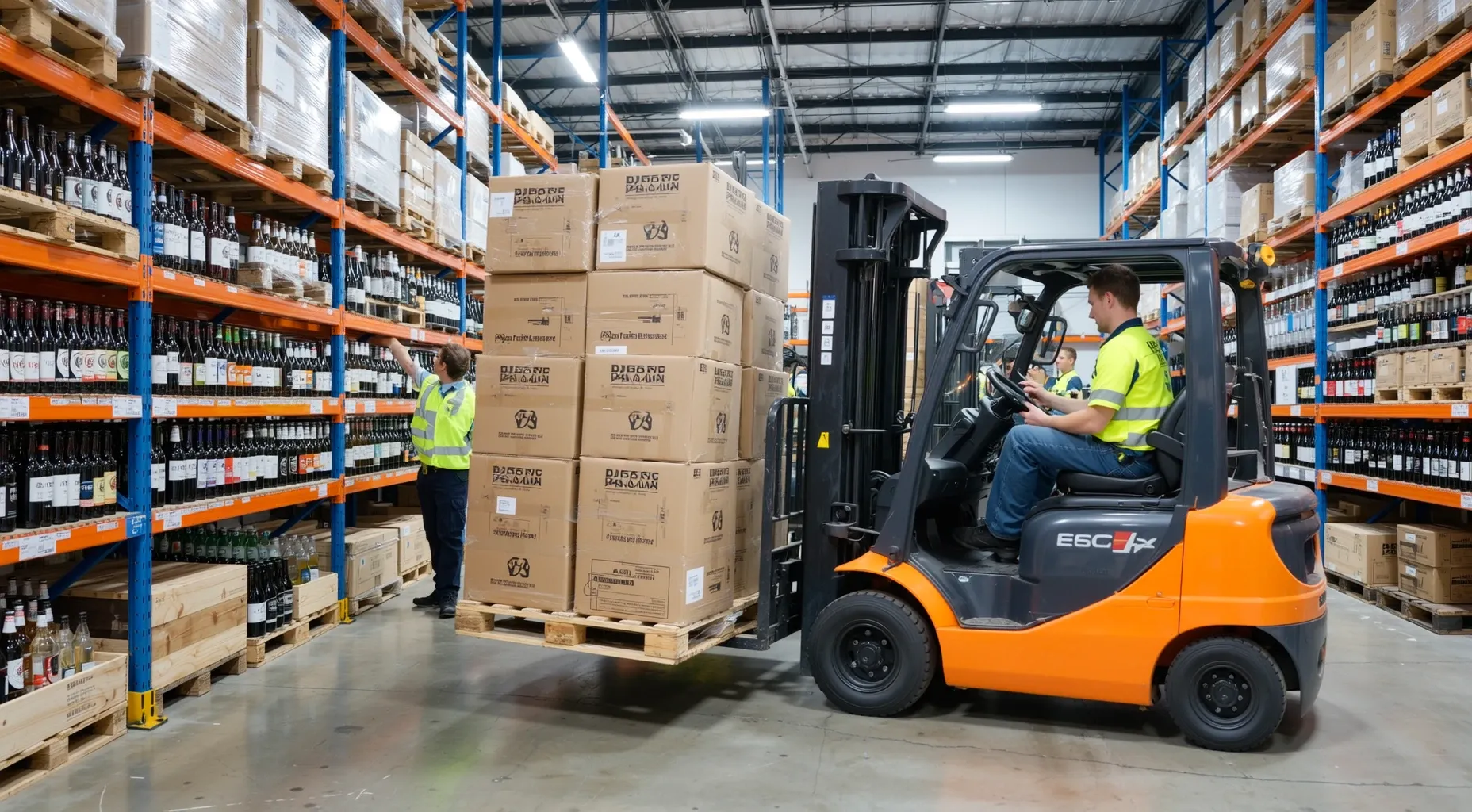
Vendedores de Cerveza, Vino y Licores
Description
El sector NAICS 445320 abarca negocios que venden principalmente bebidas alcohólicas envasadas directamente a los consumidores sin procesar ni fabricar estos productos. Estos establecimientos se especializan en la venta minorista de una amplia variedad de cerveza, vino, licores y bebidas espirituosas, a menudo con una extensa selección de marcas nacionales e importadas. Las operaciones típicas incluyen la compra de inventario de distribuidores, el mantenimiento de instalaciones de almacenamiento seguras para cumplir con estrictas leyes de licencias y la gestión de sistemas de punto de venta para las transacciones. La mayoría de las empresas en esta categoría están autorizadas para atender a los clientes y pueden ofrecer servicios adicionales como la venta de alimentos, mezclas de bebidas o opciones de café de barista para mejorar la experiencia de compra. Los tipos de operadores incluyen tiendas de licores independientes, minoristas en cadena, tiendas de conveniencia con secciones de alcohol y tiendas especializadas en cerveza y vino. Estos negocios sirven a diferentes mercados, desde compradores ocasionales en el vecindario hasta entusiastas que buscan vinos antiguos o licores raros. En términos de escala y alcance, las operaciones varían significativamente en tamaño, desde pequeñas tiendas familiares locales con espacio limitado hasta grandes cadenas regionales con múltiples ubicaciones. A pesar de las variaciones en el tamaño, todas las empresas dentro de esta clasificación cumplen con las regulaciones federales y estatales con respecto a la verificación de edad y las ventas responsables. Su actividad económica se centra en la venta directa de bebidas terminadas, diferenciándose de los distribuidores o mayoristas que manejan pedidos al por mayor para otros minoristas. Las operaciones incluyen tiendas de licores, restaurantes con bares, tiendas de conveniencia con secciones de bebidas y tiendas especializadas en cerveza y vino. Estos negocios sirven a diferentes mercados, desde compradores ocasionales en el vecindario hasta entusiastas que buscan vinos antiguos o licores raros. En términos de escala y alcance, las operaciones varían significativamente en tamaño, desde pequeñas tiendas familiares locales con espacio limitado hasta grandes cadenas regionales con múltiples ubicaciones. A pesar de las variaciones en el tamaño, todas las empresas dentro de esta clasificación cumplen con las regulaciones federales y estatales con respecto a la verificación de edad y las ventas responsables. Su actividad económica se centra en la venta directa de bebidas terminadas, diferenciándose de los distribuidores o mayoristas que manejan pedidos al por mayor para otros minoristas.
Hierarchy
| Code | Title | Description |
|---|---|---|
| 44 | Comercio Minorista 2-digit sector | El Sector en su Conjunto El sector de Comercio Minorista comprende establecimientos principalmente dedicados a la venta de mercancías, generalmente sin transformación, y a la prestación de servicios incidentales a la venta de mercancías. El proceso de venta es el último paso en la distribución de mercancías; los minoristas están, por lo tanto, organizados para vender mercancías en pequeñas cantidades al público en general. Las tiendas minoristas son ubicaciones fijas de venta, ubicadas y diseñadas para atraer un alto volumen de clientes que visitan el lugar. En general, las tiendas minoristas tienen exhibiciones extensas de mercancías y utilizan publicidad en medios masivos para atraer a los clientes. Los minoristas a menudo alcanzan a los clientes y comercializan mercancías mediante métodos distintos o además de las tiendas físicas, como sitios web, la transmisión de "infomerciales", la transmisión y publicación de publicidad de respuesta directa, la publicación de catálogos en papel y electrónicos, la prospección puerta a puerta, la demostración en el hogar, la venta desde puestos móviles (vendedores ambulantes, excepto alimentos) y la distribución a través de máquinas expendedoras. Los establecimientos que participan en la venta directa y la entrega a domicilio de productos, como los vendedores de aceite de calefacción para el hogar y las rutas de entrega de periódicos, también están incluidos aquí. Los establecimientos minoristas típicamente venden mercancías al público en general para consumo personal o doméstico, pero algunos también sirven a clientes empresariales e institucionales. Estos incluyen minoristas de suministros de oficina, minoristas de ordenadores y software, minoristas de materiales de construcción, minoristas de suministro de fontanería y minoristas de suministro eléctrico. Además de la venta de mercancías, algunos minoristas también participan en la prestación de servicios postventa, como reparación e instalación. Por ejemplo, los concesionarios de automóviles nuevos, los minoristas de electrónica y electrodomésticos y los minoristas de instrumentos musicales y suministros a menudo proporcionan servicios de reparación. En general, los establecimientos que participan en la venta de mercancías y la prestación de servicios postventa se clasifican en este sector. Los establecimientos de comercio minorista se agrupan en industrias y grupos de industrias típicamente basados en uno o más de los siguientes criterios: (a) La línea o líneas de mercancías que se venden; por ejemplo, los minoristas especializados se distinguen de los minoristas de gama general. (b) La denominación comercial habitual de los establecimientos. Este criterio se aplica en casos en que un minorista es bien conocido por la industria y el público, pero difícil de definir estrictamente en términos de líneas de mercancías que se venden; por ejemplo, las farmacias y los grandes almacenes. (c) Los requisitos de recursos humanos en términos de experiencia; por ejemplo, el personal de un concesionario de automóviles requiere conocimientos en temas de financiación, registro y licencias que no son necesarios en otras industrias minoristas. La compra de mercancías para la reventa es una característica de los establecimientos de comercio minorista que los distingue particularmente de los establecimientos en las industrias de agricultura, fabricación y construcción. Por ejemplo, las granjas que venden sus productos en el punto de producción o desde el punto de producción no se clasifican como comercio minorista, sino como agricultura. De manera similar, los establecimientos que fabrican y venden sus productos al público en general no se clasifican como comercio minorista, sino como fabricación. Sin embargo, los establecimientos que participan en actividades de procesamiento incidentales al comercio minorista se clasifican como comercio minorista. Esto incluye los minoristas de artículos ópticos que mecanizan lentes y los minoristas de carne y mariscos que procesan cadáveres en cortes. Los mayoristas también participan en la compra de mercancías para la reventa, pero normalmente no están organizados para servir al público en general. Normalmente operan desde un almacén o oficina, y ni el diseño ni la ubicación de estos locales están diseñados para atraer un alto volumen de clientes que visitan el lugar. Los mayoristas suministran a clientes institucionales, industriales, mayoristas y minoristas; sus operaciones están, por lo tanto, generalmente organizadas para comprar, vender y entregar mercancías en cantidades más grandes. Sin embargo, los minoristas de bienes duraderos no de consumo, como maquinaria agrícola y camiones pesados, también están incluidos en el comercio minorista, incluso si a menudo venden estos productos en unidades individuales. |
| 445 | Comerciantes de Alimentos y Bebidas 3-digit subsector | Los subsectores de Comerciantes de Alimentos y Bebidas principalmente minoristas líneas generales o especializadas de productos de alimentos y bebidas. Los establecimientos en este subsector con ubicaciones de venta fijas tienen equipos especiales (por ejemplo, congeladores, mostradores refrigerados, refrigeradores) para exhibir productos de alimentos y bebidas y tienen personal capacitado en el procesamiento de alimentos para garantizar las condiciones de almacenamiento y sanitarias adecuadas requeridas por las autoridades reguladoras. También están incluidos los operadores de máquinas expendedoras. |
| 4453 | Comerciantes de Cerveza, Vino y Licores 4-digit industry group | Los subsectores de Comerciantes de Alimentos y Bebidas principalmente minoristas líneas generales o especializadas de productos de alimentos y bebidas. Los establecimientos en este subsector con ubicaciones de venta fijas tienen equipos especiales (por ejemplo, congeladores, mostradores refrigerados, refrigeradores) para exhibir productos de alimentos y bebidas y tienen personal capacitado en el procesamiento de alimentos para garantizar las condiciones de almacenamiento y sanitarias adecuadas requeridas por las autoridades reguladoras. También están incluidos los operadores de máquinas expendedoras. |
| 44532 | Comerciantes de Cerveza, Vino y Licores 5-digit NAICS industry | Ver descripción de la industria para 445320. |
| 445320 | Vendedores de Cerveza, Vino y Licores 6-digit U.S. detail | El sector NAICS 445320 abarca negocios que venden principalmente bebidas alcohólicas envasadas directamente a los consumidores sin procesar ni fabricar estos productos. Estos establecimientos se especializan en la venta minorista de una amplia variedad de cerveza, vino, licores y bebidas espirituosas, a menudo con una extensa selección de marcas nacionales e importadas. Las operaciones típicas incluyen la compra de inventario de distribuidores, el mantenimiento de instalaciones de almacenamiento seguras para cumplir con estrictas leyes de licencias y la gestión de sistemas de punto de venta para las transacciones. La mayoría de las empresas en esta categoría están autorizadas para atender a los clientes y pueden ofrecer servicios adicionales como la venta de alimentos, mezclas de bebidas o opciones de café de barista para mejorar la experiencia de compra. Los tipos de operadores incluyen tiendas de licores independientes, minoristas en cadena, tiendas de conveniencia con secciones de alcohol y tiendas especializadas en cerveza y vino. Estos negocios sirven a diferentes mercados, desde compradores ocasionales en el vecindario hasta entusiastas que buscan vinos antiguos o licores raros. En términos de escala y alcance, las operaciones varían significativamente en tamaño, desde pequeñas tiendas familiares locales con espacio limitado hasta grandes cadenas regionales con múltiples ubicaciones. A pesar de las variaciones en el tamaño, todas las empresas dentro de esta clasificación cumplen con las regulaciones federales y estatales con respecto a la verificación de edad y las ventas responsables. Su actividad económica se centra en la venta directa de bebidas terminadas, diferenciándose de los distribuidores o mayoristas que manejan pedidos al por mayor para otros minoristas. Las operaciones incluyen tiendas de licores, restaurantes con bares, tiendas de conveniencia con secciones de bebidas y tiendas especializadas en cerveza y vino. Estos negocios sirven a diferentes mercados, desde compradores ocasionales en el vecindario hasta entusiastas que buscan vinos antiguos o licores raros. En términos de escala y alcance, las operaciones varían significativamente en tamaño, desde pequeñas tiendas familiares locales con espacio limitado hasta grandes cadenas regionales con múltiples ubicaciones. A pesar de las variaciones en el tamaño, todas las empresas dentro de esta clasificación cumplen con las regulaciones federales y estatales con respecto a la verificación de edad y las ventas responsables. Su actividad económica se centra en la venta directa de bebidas terminadas, diferenciándose de los distribuidores o mayoristas que manejan pedidos al por mayor para otros minoristas. |
Need a supply chain stack that maps to this industry?
Use this NAICS classification as the starting point, then connect it to Item workflows across inventory, warehousing, order management, fulfillment, and transportation.
Classification References
- 01Retailing packaged liquor in combination with providing prepared drinks for immediate consumption on the premises--are classified in Industry 722410, Drinking Places (Alcoholic Beverages);
- 02Manufacturing brewery, winery, and distillery products for consumption off the premises--are classified in Industry Group 3121, Beverage Manufacturing; and
- 03Manufacturing brewery, winery, and distillery products in combination with providing prepared food and drinks for immediate consumption on the premises--are classified in Subsector 722, Food Services and Drinking Places.
Index Items
Tiendas de cerveza, envasadas
Tiendas de licores libres de impuestos
Tiendas de licores, envasadas
Tiendas de licores (es decir, licores)
Tiendas de vinos, envasadas
How Item Can Help
Item.com's Warehouse Management System optimizes inventory levels for perishable goods like wine and spirits by tracking batch dates and expiration dates, while reducing labor costs associated with manual stock counts in high-density retail locations.
The Order Management System automates split shipments for multi-item orders containing beer, wine, and liquor, ensuring customers receive all products quickly without requiring separate deliveries from different warehouses.
Predictive analytics within Data Intelligence tools forecast seasonal demand spikes for holiday promotions, allowing retailers to pre-stock specific SKUs and minimize the risk of stockouts or overstocking expensive inventory.
