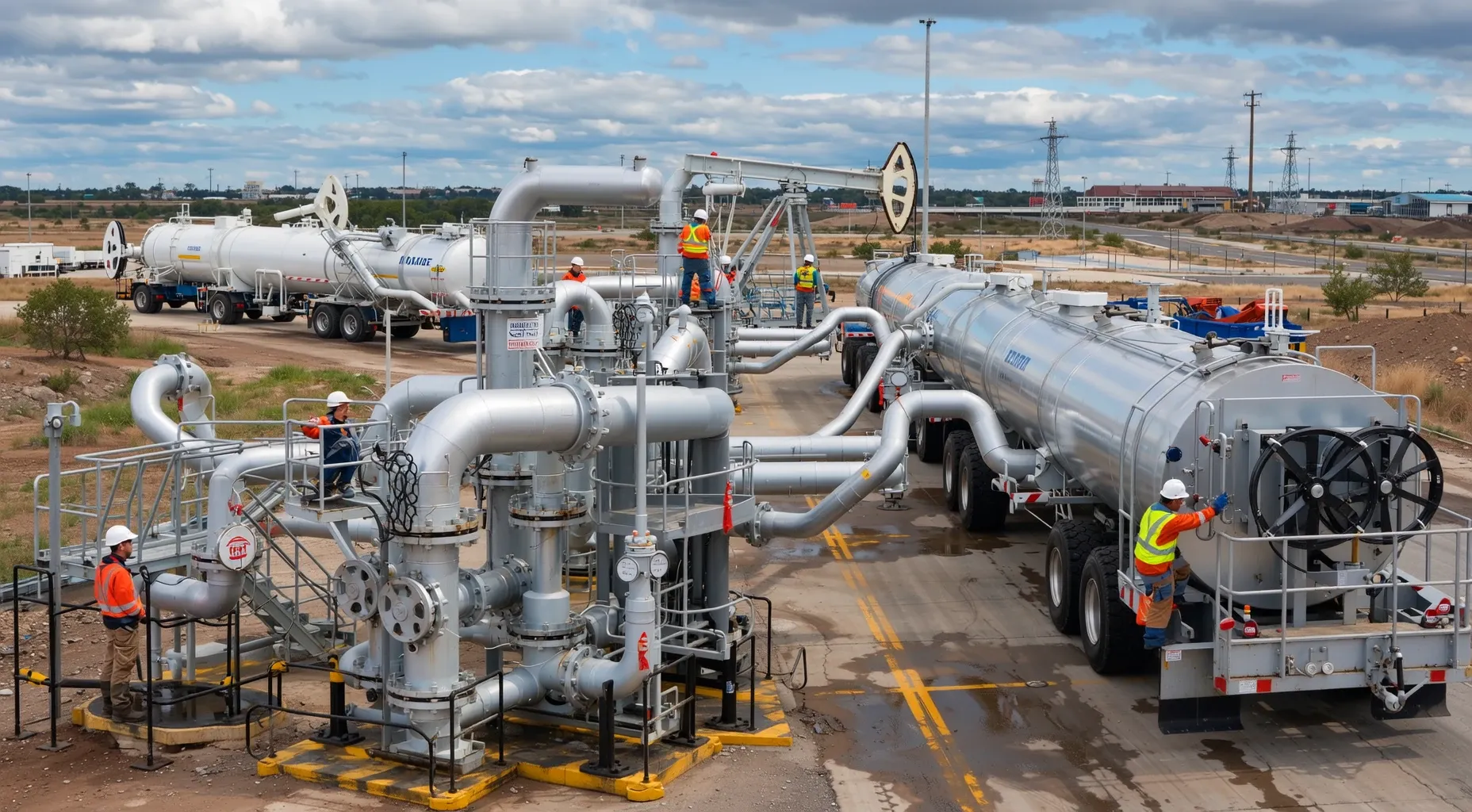
パイプラインによる原油輸送
Description
パイプラインによる原油輸送業界は、原油を生産サイトから精製所やその他の収集ポイントに輸送するために、広範な圧力をかけたパイプラインネットワークを使用することに特化しています。これらの施設は、グローバルなエネルギー供給チェーンにおける重要なインフラリンクとして機能し、液体燃料の継続的かつ効率的な流れを保証します。典型的なビジネス活動には、パイプラインの完全性を維持し、流量と圧力レベルを監視し、安全プロトコルを管理し、上流の生産者や下流の顧客と連携して需要を満たすことが含まれます。このセクターのオペレーターは、特定のルートセグメントを所有およびリースする独立したパイプラインオペレーターから、複数の州にまたがる大規模な州間ネットワークを管理する大規模なユーティリティ企業まで、さまざまです。一部の企業は、石油生産者が専用のインフラに投資することなく、市場へのアクセスを可能にするサードパーティ輸送サービスも提供しています。運用規模は非常に大きく、主要なシステムは、数千マイルにわたる数千の樽を毎日処理できます。範囲は、物理的な輸送を超えて、リアルタイムデータ分析と環境コンプライアンス管理のためのデジタル監視システムを含むこともあります。戦略的な場所計画と定期的なメンテナンスは、高価な商品と危険物輸送に関連する規制の監視のために不可欠です。
Hierarchy
| Code | Title | Description |
|---|---|---|
| 48 | 輸送および倉庫業 2-digit sector | セクター全体 輸送および倉庫業セクターには、旅客および貨物の輸送、商品の倉庫および保管、景観および観光用の輸送、および輸送モードに関連するサポート活動を提供する産業が含まれます。これらの産業の企業は、輸送機器または輸送関連施設を生産資産として使用します。機器の種類は、輸送モードによって異なります。輸送モードは、航空、鉄道、水路、道路、およびパイプラインです。 輸送および倉庫業セクターは、輸送モードごとの基本活動、倉庫および保管のためのサブセクター、および輸送のサポート活動を提供する企業のためのサブセクターの3つの基本タイプを区別しています。さらに、景観および観光用の目的、郵便、および宅配サービスの旅客輸送を提供する企業のためのサブセクターも含まれています。 輸送のサポート活動のサブセクターには、輸送のサポート活動が本質的に多面的であり、例えば貨物輸送の調整など、または多面的な側面を持っているため、個別のサブセクターが設けられています。さらに、サポート活動産業の間には、生産プロセスにおいて類似点があります。 輸送のサポート活動のサブセクターに特定されたサポート活動の1つは、輸送機器の通常の修理およびメンテナンス(例えば、空港での航空機、鉄道ターミナルでの鉄道車両、または港または港湾施設での船舶)です。このような企業は、輸送機器の完全なオーバーホールまたは再構築(つまり、輸送機器を元の設計仕様に戻す定期的な復元)または輸送機器の変換(つまり、システムの大規模な変更)は行いません。主に航空機、鉄道車両、または船舶の工場(または造船所)でのオーバーホール、再構築、または変換を行う企業は、設備の種類に応じて、サブセクター336、輸送機器製造に分類されます。 このセクターの多くの企業は、物理的な施設、労働力、および機器が広範な地理的エリアにわたって運営されるネットワークで運営されています。 このセクターの倉庫施設は、倉庫施設が商品を販売しないという点で、卸売業者とは区別されます。 このセクターには、輸送施設、ホテル、その他の企業、および政府機関をサポートする旅行代理、旅行手配、および予約サービスを提供する企業は含まれていません。これらの企業は、セクター56、行政およびサポート、および廃棄物管理および修復サービスに分類されます。オペレーターなしで輸送機器のレンタルおよびリースを提供する企業は、サブセクター532、レンタルおよびリースサービスに分類されます。医療ケアと輸送を提供する企業は、セクター62、医療および社会福祉に分類されます。 |
| 486 | パイプライン輸送 3-digit subsector | パイプライン輸送のサブセクターの産業は、原油、天然ガス、精製された石油製品、およびスラリーなどの製品を輸送するために、伝送パイプラインを使用します。産業は、輸送される製品に基づいて特定されます(つまり、原油、天然ガスのパイプライン輸送、精製された石油製品、およびその他の製品)。 天然ガスのパイプライン輸送産業には、天然ガスの貯蔵が含まれており、貯蔵は通常パイプラインの施設で行われ、パイプラインは本質的にすべてのノードが相互に依存しているネットワークであるためです。 |
| 4861 | 原油のパイプライン輸送 4-digit industry group | パイプライン輸送のサブセクターの産業は、原油、天然ガス、精製された石油製品、およびスラリーなどの製品を輸送するために、伝送パイプラインを使用します。産業は、輸送される製品に基づいて特定されます(つまり、原油、天然ガスのパイプライン輸送、精製された石油製品、およびその他の製品)。 天然ガスのパイプライン輸送産業には、天然ガスの貯蔵が含まれており、貯蔵は通常パイプラインの施設で行われ、パイプラインは本質的にすべてのノードが相互に依存しているネットワークであるためです。 |
| 48611 | 原油のパイプライン輸送 5-digit NAICS industry | 486110の産業の説明を参照してください。 |
| 486110 | パイプラインによる原油輸送 6-digit U.S. detail | パイプラインによる原油輸送業界は、原油を生産サイトから精製所やその他の収集ポイントに輸送するために、広範な圧力をかけたパイプラインネットワークを使用することに特化しています。これらの施設は、グローバルなエネルギー供給チェーンにおける重要なインフラリンクとして機能し、液体燃料の継続的かつ効率的な流れを保証します。典型的なビジネス活動には、パイプラインの完全性を維持し、流量と圧力レベルを監視し、安全プロトコルを管理し、上流の生産者や下流の顧客と連携して需要を満たすことが含まれます。このセクターのオペレーターは、特定のルートセグメントを所有およびリースする独立したパイプラインオペレーターから、複数の州にまたがる大規模な州間ネットワークを管理する大規模なユーティリティ企業まで、さまざまです。一部の企業は、石油生産者が専用のインフラに投資することなく、市場へのアクセスを可能にするサードパーティ輸送サービスも提供しています。運用規模は非常に大きく、主要なシステムは、数千マイルにわたる数千の樽を毎日処理できます。範囲は、物理的な輸送を超えて、リアルタイムデータ分析と環境コンプライアンス管理のためのデジタル監視システムを含むこともあります。戦略的な場所計画と定期的なメンテナンスは、高価な商品と危険物輸送に関連する規制の監視のために不可欠です。 |
Need a supply chain stack that maps to this industry?
Use this NAICS classification as the starting point, then connect it to Item workflows across inventory, warehousing, order management, fulfillment, and transportation.
Classification References
- 01天然ガスのパイプライン輸送--は486210、パイプライン輸送(天然ガス)産業に分類されます。
- 02精製石油製品のパイプライン輸送--は486910、パイプライン輸送(精製石油製品)産業に分類されます。
- 03油田の収集ラインの運営--は21、鉱業、採石および石油・ガス採掘セクターに分類されます。
Index Items
ブースターポンプステーション、原油輸送
原油パイプライン輸送
原油パイプライン
原油パイプライン輸送
How Item Can Help
The TMS optimizes routes for long-haul crude oil shipments to minimize fuel costs and improve delivery times across vast distances. It provides real-time visibility into fleet locations and condition monitoring to ensure safety during transit.
The WMS streamlines the handling and storage of bulk crude oil by managing tank inventory levels and scheduling maintenance efficiently. It integrates with upstream suppliers to automate reorder points and reduce operational delays at processing facilities.
This tool analyzes historical shipment data and market trends to predict pipeline congestion and optimize delivery schedules proactively. It generates actionable insights that help companies adjust logistics strategies to mitigate risk and maximize network efficiency.
External Resources
Census.gov NAICS Detail
Official US Census Bureau definition and scope for NAICS 486110.
American Petroleum Institute
The American Petroleum Institute provides resources and standards for oil and gas pipeline operations, including crude oil transportation.
Federal Energy Regulatory Commission
The FERC publishes federal safety and regulatory guidelines specifically for liquid pipelines, which govern crude oil transport in the United States.
American Public Works Association
The APWA offers industry news and technical resources focused on the safety and maintenance of public utility pipelines, including crude oil lines.
