Alquiler de Ropa Formal y Disfraces
Description
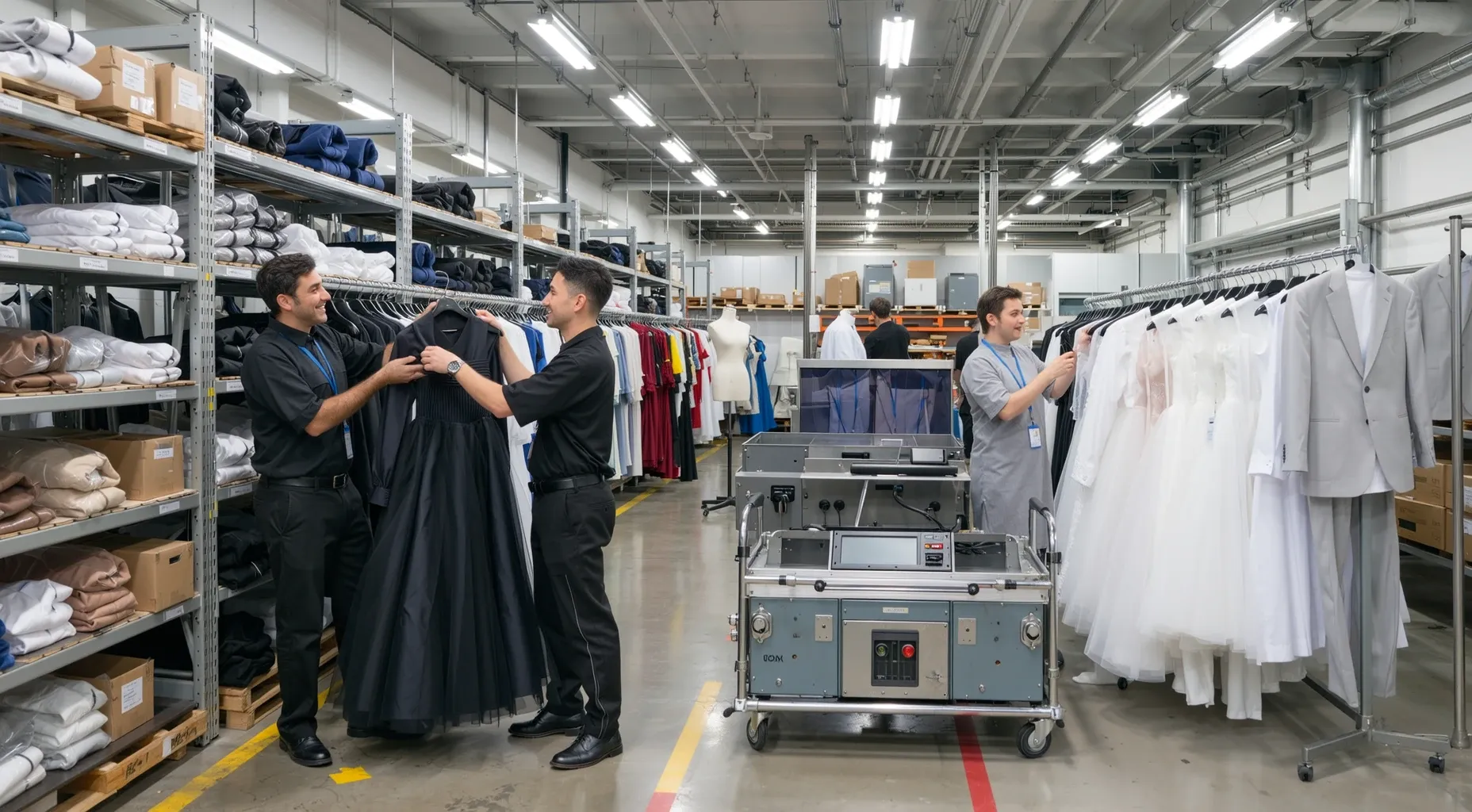
Las empresas en la industria de alquiler de ropa formal y disfraces se especializan en arrendar ropa especializada a individuos para ocasiones específicas, en lugar de operar como tiendas minoristas generales. Estos negocios se centran en proporcionar ropa de alta calidad, que incluye trajes, vestidos y disfraces teatrales, a clientes que necesitan ropa profesional o dramática con poca antelación. Las actividades comerciales típicas implican un sistema integral de gestión de inventario que selecciona estilos para bodas, bailes y concursos, al tiempo que se mantiene la impecable higiene y el estado de cada prenda. Los operadores a menudo emplean personal dedicado para atender consultas de los clientes, ofrecer asesoramiento de estilo y realizar ajustes para garantizar una combinación perfecta antes de la entrega o recogida. El sector incluye dos tipos principales de operadores. Las boutiques locales suelen atender a comunidades específicas con un servicio personalizado y una selección de diseños de moda. Las cadenas más grandes operan desde centros o ciudades importantes, ofreciendo un inventario extenso para atender a un mercado regional más amplio y proporcionando redes de logística para entregas el mismo día o en varias ciudades. En términos de escala y alcance, estas empresas van desde pequeñas tiendas de barrio con un inventario limitado hasta grandes minoristas nacionales con cientos de ubicaciones. Operan principalmente en centros urbanos donde la asistencia a eventos es alta y el poder adquisitivo del consumidor es concentrado, aunque también sirven a mercados suburbanos. Su modelo financiero se basa en un alto volumen de ventas y clientes recurrentes, diferenciándose de los minoristas de transacciones únicas al fomentar relaciones a largo plazo a través de un servicio y garantías de calidad fiables. El código NAICS 532281 designa establecimientos dedicados al alquiler de ropa formal, disfraces y ropa especializada para eventos. Estas empresas operan principalmente adquiriendo o fabricando inventario que los clientes prestan para ocasiones como bodas, galas, concursos o producciones de entretenimiento. Las actividades clave incluyen una gestión de inventario meticulosa, que incluye limpieza, reparación y rotación estacional para garantizar que las prendas permanezcan en condiciones impecables. Además, estas entidades a menudo proporcionan servicios de asesoramiento de estilo y ajuste para personalizar las prendas alquiladas a las necesidades específicas del cliente, lo que añade valor más allá de la simple provisión de prendas. Las empresas en este sector suelen funcionar como pequeñas a medianas empresas, aunque las cadenas regionales pueden operar a mayor escala. La intensidad de capital varía, ya que las casas de disfraces especializadas a menudo requieren una inversión inicial significativa para recreaciones históricas o diseños de alta moda únicos, mientras que los alquileres de ropa formal genéricos pueden operar con inventarios más pequeños. Los modelos de propiedad van desde boutiques locales de propiedad familiar hasta sistemas de franquicia gestionados por entidades corporativas más grandes. Los beneficios dependen en gran medida de la estacionalidad y la retención de clientes, ya que los clientes recurrentes de la industria de bodas o grupos de teatro pueden estabilizar los flujos de ingresos durante los meses más lentos. Las consideraciones de la cadena de suministro y la logística son críticas debido a la naturaleza perecedera de la ropa que requiere un mantenimiento frecuente. Estas empresas deben gestionar complejas operaciones que impliquen la limpieza, el lavado en seco o la planchado rápido para evitar daños en los tejidos antes de devolver las prendas a la estantería. Los sistemas de seguimiento del inventario son esenciales para evitar la pérdida de piezas únicas de alto valor, que pueden ser irrecuperables si no se recuperan rápidamente. Además, se necesitan redes de logística eficientes para garantizar la entrega oportuna de grandes volúmenes de pedidos, como armarios completos de teatro, para que las prendas alquiladas lleguen a los eventos exactamente cuando se necesitan, sin retrasar el programa de producción.
Hierarchy
| Code | Title | Description |
|---|---|---|
| 53 | Real Estate and Rental and Leasing 2-digit sector | El Sector en su Conjunto El Sector de Real Estate y Alquiler y Arrendamiento comprende establecimientos principalmente dedicados a alquilar, arrendar o permitir el uso de activos tangibles o intangibles, y establecimientos que brindan servicios relacionados. La mayor parte de este sector comprende establecimientos que alquilan, arrendan o permiten el uso de sus propios activos por otros. Los activos pueden ser tangibles, como bienes raíces y equipos, o intangibles, como patentes y marcas registradas. Este sector también incluye establecimientos principalmente dedicados a administrar bienes raíces para otros, vender, alquilar y/o comprar bienes raíces para otros, y evaluar bienes raíces. Estas actividades están estrechamente relacionadas con la principal actividad de este sector, y desde una perspectiva de producción, se incluyen aquí. Además, una proporción sustancial de la gestión de propiedades se realiza de forma interna por los arrendadores. Los principales componentes de este sector son las industrias de arrendamiento de bienes raíces (incluidas las empresas de inversión inmobiliaria con capital (REITs)), las industrias de arrendamiento de equipos (incluidas los vehículos, computadoras y bienes de consumo), y los arrendadores de activos intangibles no financieros (excepto obras protegidas por derechos de autor). Se excluyen de este sector los establecimientos principalmente dedicados a alquilar o arrendar equipos con operadores. Los establecimientos que alquilan o arrendan equipos con operadores se clasifican en varios subsectores de NAICS según la naturaleza de los servicios proporcionados (p. ej., transporte, construcción, agricultura). Estas actividades se excluyen de este sector porque el cliente está pagando por la experiencia y el conocimiento del operador del equipo, además del alquiler del equipo. En muchos casos, como el alquiler de equipos de construcción pesados, el operador es esencial para operar el equipo. También se excluyen de este sector las empresas de hipotecas y los establecimientos principalmente dedicados a administrar los activos financieros de las REITs en función de una tarifa o comisión. Estos establecimientos se clasifican en el Sector 52, Finanzas e Seguros. |
| 532 | Servicios de Arrendamiento y Arrendamiento 3-digit subsector | Los subsectores de Servicios de Arrendamiento y Arrendamiento incluyen establecimientos que proporcionan una amplia gama de bienes tangibles, como automóviles, computadoras, bienes de consumo y maquinaria industrial, a los clientes a cambio de un pago de alquiler o arrendamiento periódico. El subsector incluye dos tipos principales de establecimientos: (1) aquellos que están dedicados a alquilar bienes de consumo y equipos, y (2) aquellos que están dedicados a arrendar equipos que a menudo se utilizan para las operaciones comerciales. El primer tipo generalmente opera desde una instalación similar a una tienda minorista y mantiene inventarios de bienes que se alquilan por períodos cortos de tiempo. El segundo tipo generalmente no opera desde ubicaciones similares a las tiendas minoristas ni mantiene inventarios, y generalmente ofrece arrendamientos a más largo plazo. Estos establecimientos trabajan directamente con los clientes para permitirles adquirir el uso de equipos en un arrendamiento, o trabajan con proveedores o distribuidores de equipos para apoyar el marketing de equipos a sus clientes bajo acuerdos de arrendamiento. Los arrendadores de equipos generalmente estructuran los contratos de arrendamiento para satisfacer las necesidades especializadas de sus clientes y utilizan su experiencia en la reventa para encontrar otros usuarios para el equipo previamente arrendado. Los establecimientos que brindan arrendamientos y arrendamientos de capital (es decir, arrendamientos financieros) se incluyen en este subsector. Los establecimientos principalmente dedicados a arrendar en combinación con la prestación de préstamos se clasifican en el Sector 52, Finanzas e Seguros. Los establecimientos principalmente dedicados a arrendar bienes inmuebles se clasifican en el Subsector 531, Real Estate. Los establecimientos principalmente dedicados a alquilar o arrendar equipos con operadores se clasifican en varios subsectores de NAICS según la naturaleza de los servicios proporcionados. Estas actividades se excluyen de este subsector ya que el cliente está pagando por la experiencia y el conocimiento del operador del equipo, además del alquiler del equipo. En muchos casos, como el alquiler de equipos de construcción pesados, el operador es esencial para operar el equipo. De manera similar, la prestación de servicios de cosecha de cultivos, que incluye tanto el equipo como el operador, se incluye en el Subsector 115, Actividades de Apoyo para la Agricultura y la Silvicultura. El alquiler o arrendamiento de obras protegidas por derechos de autor se clasifica en el Sector 51, Información, y el alquiler o arrendamiento de activos intangibles no financieros, como patentes, marcas registradas y/o acuerdos de licencia, se clasifica en el Subsector 533, Arrendadores de Activos Intangibles No Financieros (excepto Obras Protegidas por Derechos de Autor). |
| 5322 | Alquiler de Bienes de Consumo 4-digit industry group | Este grupo de industrias comprende establecimientos principalmente dedicados a alquilar bienes y artículos para el hogar. Los establecimientos clasificados en este grupo de industrias generalmente proporcionan un alquiler a corto plazo, aunque en algunos casos, los bienes pueden arrendarse por períodos más largos. Estos establecimientos a menudo operan desde una instalación similar a una tienda minorista o desde una ubicación de venta al por menor. |
| 53228 | Otros Bienes de Consumo en Alquiler 5-digit NAICS industry | Esta industria comprende establecimientos principalmente dedicados a alquilar bienes de consumo (excepto electrónica y electrodomésticos). Ejemplos ilustrativos: Alquiler de disfraces Alquiler de ropa formal Centros de alquiler de muebles (es decir, residencial) Alquiler y arrendamiento de camas de hospital (es decir, uso doméstico) Centros de alquiler de artículos para fiestas Alquiler de artículos deportivos Alquiler de discos de video para equipos electrónicos domésticos (p. ej., DVD) |
| 532281 | Alquiler de Ropa Formal y Disfraces 6-digit U.S. detail | Las empresas en la industria de alquiler de ropa formal y disfraces se especializan en arrendar ropa especializada a individuos para ocasiones específicas, en lugar de operar como tiendas minoristas generales. Estos negocios se centran en proporcionar ropa de alta calidad, que incluye trajes, vestidos y disfraces teatrales, a clientes que necesitan ropa profesional o dramática con poca antelación. Las actividades comerciales típicas implican un sistema integral de gestión de inventario que selecciona estilos para bodas, bailes y concursos, al tiempo que se mantiene la impecable higiene y el estado de cada prenda. Los operadores a menudo emplean personal dedicado para atender consultas de los clientes, ofrecer asesoramiento de estilo y realizar ajustes para garantizar una combinación perfecta antes de la entrega o recogida. El sector incluye dos tipos principales de operadores. Las boutiques locales suelen atender a comunidades específicas con un servicio personalizado y una selección de diseños de moda. Las cadenas más grandes operan desde centros o ciudades importantes, ofreciendo un inventario extenso para atender a un mercado regional más amplio y proporcionando redes de logística para entregas el mismo día o en varias ciudades. En términos de escala y alcance, estas empresas van desde pequeñas tiendas de barrio con un inventario limitado hasta grandes minoristas nacionales con cientos de ubicaciones. Operan principalmente en centros urbanos donde la asistencia a eventos es alta y el poder adquisitivo del consumidor es concentrado, aunque también sirven a mercados suburbanos. Su modelo financiero se basa en un alto volumen de ventas y clientes recurrentes, diferenciándose de los minoristas de transacciones únicas al fomentar relaciones a largo plazo a través de un servicio y garantías de calidad fiables. El código NAICS 532281 designa establecimientos dedicados al alquiler de ropa formal, disfraces y ropa especializada para eventos. Estas empresas operan principalmente adquiriendo o fabricando inventario que los clientes prestan para ocasiones como bodas, galas, concursos o producciones de entretenimiento. Las actividades clave incluyen una gestión de inventario meticulosa, que incluye limpieza, reparación y rotación estacional para garantizar que las prendas permanezcan en condiciones impecables. Además, estas entidades a menudo proporcionan servicios de asesoramiento de estilo y ajuste para personalizar las prendas alquiladas a las necesidades específicas del cliente, lo que añade valor más allá de la simple provisión de prendas. Las empresas en este sector suelen funcionar como pequeñas a medianas empresas, aunque las cadenas regionales pueden operar a mayor escala. La intensidad de capital varía, ya que las casas de disfraces especializadas a menudo requieren una inversión inicial significativa para recreaciones históricas o diseños de alta moda únicos, mientras que los alquileres de ropa formal genéricos pueden operar con inventarios más pequeños. Los modelos de propiedad van desde boutiques locales de propiedad familiar hasta sistemas de franquicia gestionados por entidades corporativas más grandes. Los beneficios dependen en gran medida de la estacionalidad y la retención de clientes, ya que los clientes recurrentes de la industria de bodas o grupos de teatro pueden estabilizar los flujos de ingresos durante los meses más lentos. Las consideraciones de la cadena de suministro y la logística son críticas debido a la naturaleza perecedera de la ropa que requiere un mantenimiento frecuente. Estas empresas deben gestionar complejas operaciones que impliquen la limpieza, el lavado en seco o la planchado rápido para evitar daños en los tejidos antes de devolver las prendas a la estantería. Los sistemas de seguimiento del inventario son esenciales para evitar la pérdida de piezas únicas de alto valor, que pueden ser irrecuperables si no se recuperan rápidamente. Además, se necesitan redes de logística eficientes para garantizar la entrega oportuna de grandes volúmenes de pedidos, como armarios completos de teatro, para que las prendas alquiladas lleguen a los eventos exactamente cuando se necesitan, sin retrasar el programa de producción. |
Need a supply chain stack that maps to this industry?
Use this NAICS classification as the starting point, then connect it to Item workflows across inventory, warehousing, order management, fulfillment, and transportation.
Classification References
- 01Las empresas principalmente dedicadas a la limpieza y suministro de uniformes y otras prendas de trabajo están clasificadas en la Industria Estadounidense 812332, Lavanderías Industriales.
Index Items
Alquiler de trajes de novia
Alquiler de ropa (excepto lavandería industrial, suministro de ropa de cama)
Alquiler de disfraces
Alquiler de trajes de negocios
Alquiler de ropa formal
Alquiler de pieles
Alquiler de vestidos
Alquiler de gorro y toga para graduación
Alquiler de vestuario y disfraces para cine
Alquiler de trajes
Alquiler de vestuario y disfraces para teatro
Alquiler de esmoquin
Alquiler de vestuario
How Item Can Help
The TMS coordinates return logistics and pickup routes to ensure costumes are transported safely back to headquarters or partner locations for cleaning and restocking.
External Resources
Census.gov NAICS Detail
Official US Census Bureau definition and scope for NAICS 532281.
National Association of Event Planners
A global trade association for event planning professionals that includes formal rental specialists.
US Department of Labor Occupational Outlook Handbook
Official government data page listing the Occupational Outlook Handbook code for event and other staff services.
Society of Professional Event Planners Directory
Industry directory allowing users to search for certified professional event planners who may offer costume rentals.
