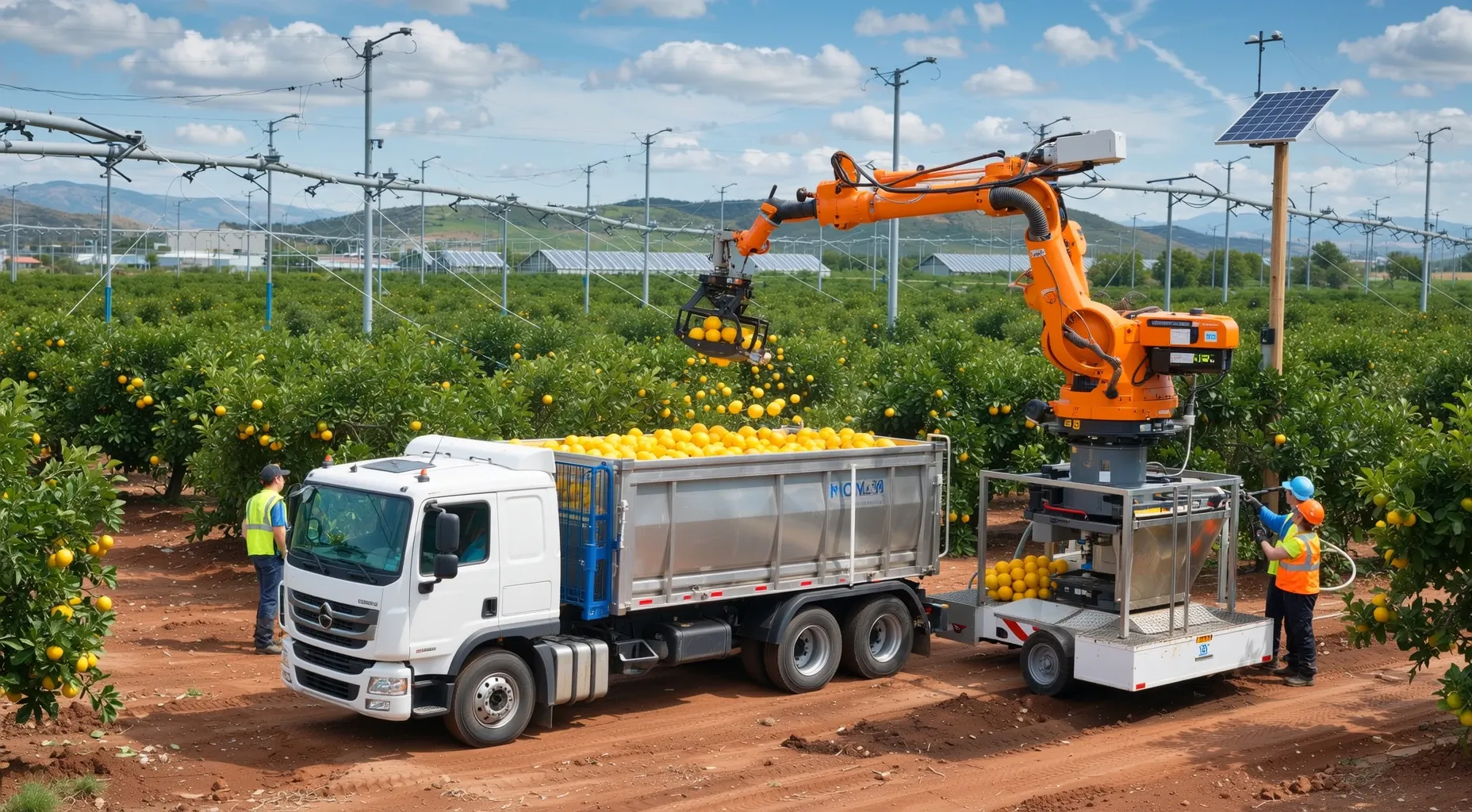
بساتين الحمضيات (باستثناء البرتقال)
الوصف
تتألف هذه الصناعة من المنشآت التي تنخرط بشكل أساسي في زراعة الحمضيات (باستثناء البرتقال). أمثلة توضيحية: * بساتين الحمضيات (باستثناء البرتقال) * بساتين اليوسفي * بساتين الجريب فروت * بساتين التانجيلو * بساتين الليمون * بساتين المندرين
التسلسل الهرمي
| الرمز | العنوان | الوصف |
|---|---|---|
| 11 | الزراعة والغابات وصيد الأسماك والصيد قطاع من رقمين | القطاع ككل يشمل قطاع الزراعة والغابات وصيد الأسماك والصيد المنظم المنشآت المشاركة بشكل أساسي في زراعة المحاصيل، وتربية الحيوانات، وحصاد الأخشاب، وصيد الأسماك والحيوانات الأخرى من مزرعة أو مرعى أو موائلها الطبيعية. غالبًا ما توصف المنشآت في هذا القطاع بأنها مزارع، أو مزارع ماشية، أو معامل ألبان، أو بيوت زجاجية، أو مشاتل، أو بساتين، أو حاضنات. قد تتكون المزرعة من قطعة أرض واحدة أو عدد من القطع المنفصلة التي قد تكون مملوكة بموجب عقود إيجار مختلفة. على سبيل المثال، قد تكون قطعة مملوكة لمشغل المزرعة والأخرى مستأجرة. قد يتم تشغيلها من قبل المشغل وحده أو بمساعدة أفراد الأسرة أو الموظفين المأجورين، أو قد يتم تشغيلها من قبل شراكة أو شركة أو نوع آخر من المنظمات. عندما يكون لدى مالك أرض مستأجر واحد أو أكثر، أو مزارعين بعقود إيجار، أو مزارعين متعاقدين، أو مدراء، فإن الأرض التي يديرها كل منهم تعتبر مزرعة. يميز القطاع نشاطين أساسيين: الإنتاج الزراعي وأنشطة الدعم الزراعي. يشمل الإنتاج الزراعي المنشآت التي تقوم بالعملية الزراعية الكاملة للمزرعة أو المرعى، مثل مالكي المزارع المشغلين ومزارعي المستأجرين. تشمل أنشطة الدعم الزراعي المنشآت التي تقوم بنشاط واحد أو أكثر مرتبط بعملية المزرعة، مثل إعداد التربة، والزراعة، والحصاد، والإدارة، على أساس عقد أو رسوم. يُستثنى من قطاع الزراعة والغابات وصيد الأسماك والصيد المنظم المنشآت المشاركة بشكل أساسي في البحوث الزراعية (على سبيل المثال، المزارع التجريبية) والمنشآت الحكومية المشاركة بشكل أساسي في إدارة البرامج لتنظيم وحفظ استخدام الأراضي والمعادن والحياة البرية والغابات. يتم تصنيف هذه المنشآت في الصناعة 54171، البحث والتطوير في العلوم الفيزيائية والهندسية والحياة؛ والصناعة 92412، إدارة برامج الحفظ، على التوالي. |
| 111 | إنتاج المحاصيل قطاع فرعي من 3 أرقام | تنمو الصناعات في القطاع الفرعي لإنتاج المحاصيل محاصيل بشكل أساسي للاستهلاك الغذائي والألياف. ويشمل هذا القطاع الفرعي المنشآت، مثل المزارع والبساتين والمحميات والصوب والمشاتل، التي تنخرط بشكل أساسي في زراعة المحاصيل أو النباتات أو الكروم أو الأشجار وبذورها. يتم تجميع الصناعات في هذا القطاع الفرعي حسب تشابه نشاط الإنتاج، بما في ذلك الخصائص البيولوجية والفسيولوجية والمتطلبات الاقتصادية، وطول موسم النمو، ودرجة تناوب المحاصيل، ومدى تخصص المدخلات، ومتطلبات العمالة، ومتطلبات رأس المال. وعادة ما تكتمل عملية الإنتاج عندما يصل المنتج الخام أو السلعة المزروعة إلى "بوابة المزرعة" للسوق، أي عند نقطة البيع الأول أو تحديد السعر. يتم تصنيف المنشآت في القطاع الفرعي لإنتاج المحاصيل عندما تشكل زراعة المحاصيل (أي قيمة المحاصيل للسوق) نصف إنتاج المنشأة الزراعي أو أكثر. وضمن هذا القطاع الفرعي، يتم تصنيف المنشآت في صناعة محددة عندما تشكل منتجات أو عائلة منتجات صناعية (أي زراعة البذور الزيتية والحبوب، وزراعة الخضروات والبطيخ، وزراعة الفاكهة والمكسرات) نصف إنتاج المنشأة الزراعي أو أكثر. ويتم التعامل مع المنشآت التي لديها نصف إنتاج محاصيل أو أكثر دون أن تشكل أي منتج أو عائلة منتجات صناعية نصف إنتاج المنشأة الزراعي على أنها زراعة محاصيل مختلطة عامة ويتم تصنيفها في الصناعة 11199، جميع أنواع زراعة المحاصيل الأخرى. تتضمن الصناعات في القطاع الفرعي لإنتاج المحاصيل المنشآت التي تمتلك وتشغل وتدير وتلك التي تشغل وتدير. ويتم تصنيف تلك التي تدير فقط في القطاع الفرعي 115، الأنشطة الداعمة للزراعة والغابات. ويتم تصنيف المنشآت التي تربي النباتات المائية في بيئات مائية خاضعة للرقابة أو مختارة في القطاع الفرعي 112، إنتاج الحيوانات وتربية الأحياء المائية. |
| 1113 | زراعة الفاكهة والمكسرات مجموعة صناعية من 4 أرقام | تتألف هذه المجموعة الصناعية من المنشآت التي تعمل بشكل أساسي في زراعة محاصيل الفاكهة و/أو المكسرات الشجرية. المحاصيل المشمولة في هذه المجموعة الصناعية لا تُزرع بشكل عام من البذور ولها دورة حياة معمرة. |
| 11132 | بساتين الحمضيات (باستثناء البرتقال) صناعة NAICS من 5 أرقام | انظر وصف الصناعة لـ 111320. |
| 111320 | بساتين الحمضيات (باستثناء البرتقال) تفصيل أمريكي من 6 أرقام | تتألف هذه الصناعة من المنشآت التي تنخرط بشكل أساسي في زراعة الحمضيات (باستثناء البرتقال). أمثلة توضيحية: * بساتين الحمضيات (باستثناء البرتقال) * بساتين اليوسفي * بساتين الجريب فروت * بساتين التانجيلو * بساتين الليمون * بساتين المندرين |
هل تحتاج إلى منظومة سلسلة توريد تتوافق مع هذه الصناعة؟
استخدم تصنيف NAICS هذا كنقطة بداية، ثم اربطه بسير عمل Item عبر المخزون والمستودعات وإدارة الطلبات والتنفيذ والنقل.
مراجع التصنيف
- 01تُصنَّف المنشآت التي تعمل بشكل أساسي في زراعة البرتقال ضمن الصناعة 111310، بساتين البرتقال.
عناصر الفهرس
بساتين الحمضيات (باستثناء البرتقال)
بساتين الجريب فروت
بساتين الليمون
بساتين الليمون الحامض
بساتين اليوسفي
بساتين التانجيلو
بساتين المندرين
كيف يمكن أن يساعد Item
يُحسّن نظام إدارة المستودعات الخاص بـ ITEM.com مناولة مخزون الحمضيات القابل للتلف من خلال أتمتة تتبع النضج وإدارة انتهاء الصلاحية، مما يقلل الهدر عبر بروتوكولات دقيقة "الوارد أولاً يُصرف أولاً".
يعمل نظام إدارة الطلبات على تبسيط تلبية طلبات العملاء للسلع القابلة للتلف عن طريق إعادة توجيه عمليات التسليم ديناميكيًا بناءً على مستويات المخزون في الوقت الفعلي والطلب في السوق المحلي لضمان توفر أحدث المنتجات.
تحلل منصات ذكاء البيانات غلات الحصاد التاريخية وأنماط الطقس للتنبؤ بأحجام محاصيل الحمضيات، مما يتيح التنبؤ الدقيق بالمخزون واستراتيجيات الشراء في الوقت المناسب.
