Sonstige Aquakultur
Beschreibung
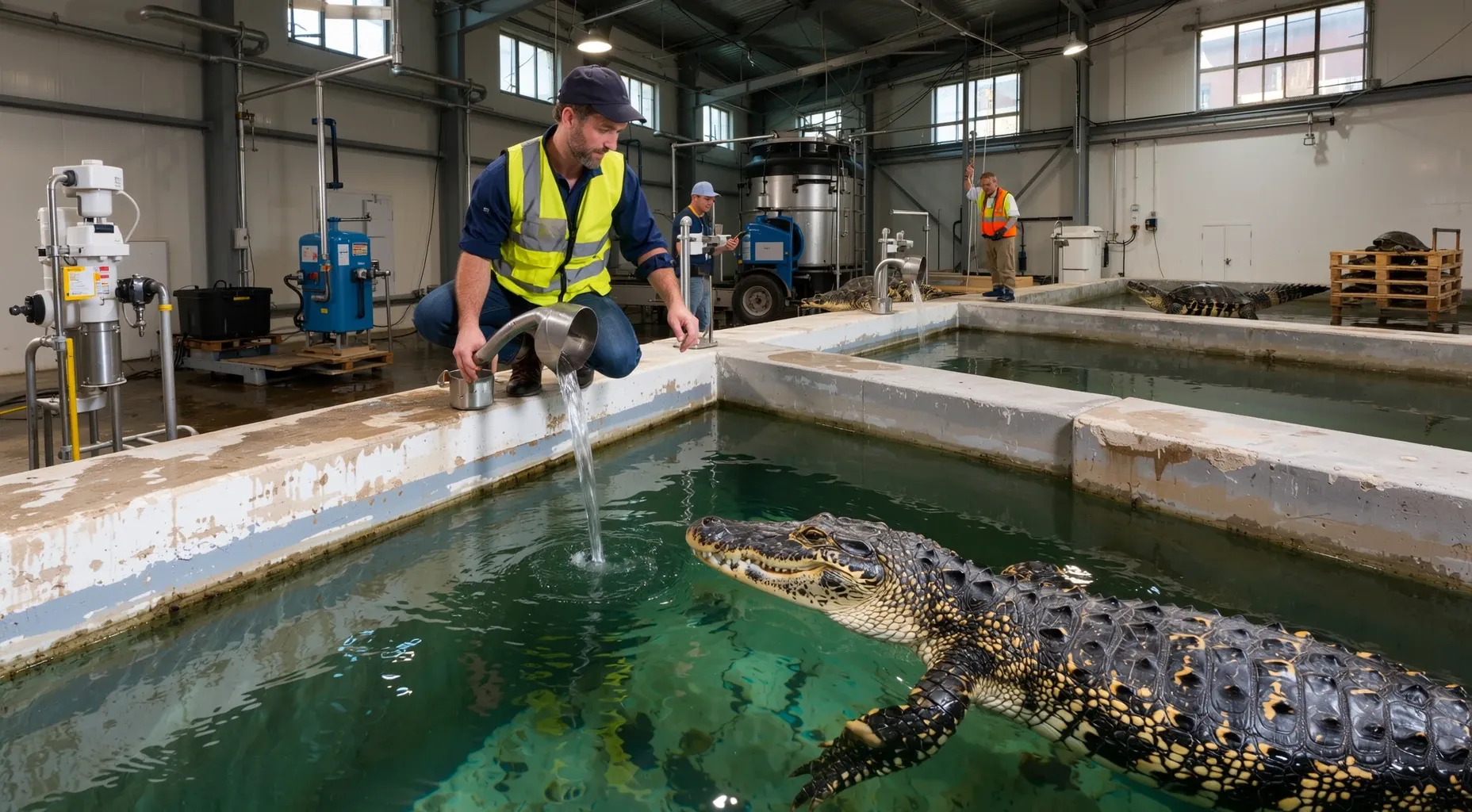
Diese US-Branche umfasst Betriebe, die sich hauptsächlich mit (1) der Zucht von Wasserlebewesen (außer Fischen und Muscheln) und/oder (2) dem Anbau von Wasserpflanzen befassen. Die Produktion von Alligatoren, Algen, Fröschen, Seetang oder Schildkröten ist in diese Branche eingeschlossen.
Hierarchie
| Code | Titel | Beschreibung |
|---|---|---|
| 11 | Land-, Forst- und Fischerei sowie Jagd 2-stelliger Sektor | Der Sektor als Ganzes Der Sektor Land-, Forst-, Fischerei- und Jagdwirtschaft umfasst Betriebe, die hauptsächlich mit dem Anbau von Feldfrüchten, der Tierhaltung, der Holzernte sowie der Ernte von Fischen und anderen Tieren aus einem Bauernhof, einer Ranch oder ihren natürlichen Lebensräumen befasst sind. Die Betriebe in diesem Sektor werden oft als Bauernhöfe, Ranchs, Milchviehanlagen, Gewächshäuser, Baumschulen, Obstgärten oder Brutstätten beschrieben. Ein Bauernhof kann aus einem einzigen Grundstück oder aus mehreren separaten Grundstücken bestehen, die unter unterschiedlichen Pachtverhältnissen gehalten werden. Beispielsweise kann ein Grundstück vom Betreiber des Hofes besessen und ein anderes gemietet sein. Er kann allein vom Betreiber oder mit Hilfe von Haushaltsmitgliedern oder Angestellten betrieben werden, oder er kann von einer Partnerschaft, einer Gesellschaft oder einer anderen Art von Organisation betrieben werden. Wenn ein Landbesitzer einen oder mehrere Pächter, Mieter, Anbauer oder Verwalter hat, gilt das von jedem betriebene Land als Bauernhof. Der Sektor unterscheidet zwei grundlegende Tätigkeiten: die landwirtschaftliche Produktion und die landwirtschaftlichen Unterstützungsleistungen. Die landwirtschaftliche Produktion umfasst Betriebe, die den gesamten Betrieb eines Bauernhofs oder einer Ranch durchführen, wie beispielsweise selbstständige Landwirte und Pächterlandwirte. Die landwirtschaftlichen Unterstützungsleistungen umfassen Betriebe, die eine oder mehrere Tätigkeiten im Zusammenhang mit dem Hofbetrieb ausführen, wie z. B. Bodenbearbeitung, Aussaat, Ernte und Bewirtschaftung, auf Vertrags- oder Honorarbasis. Von der Land-, Forst-, Fischerei- und Jagdwirtschaft sind Betriebe ausgeschlossen, die sich hauptsächlich mit landwirtschaftlicher Forschung befassen (z. B. Versuchsanbaubetriebe) und staatliche Einrichtungen, die sich hauptsächlich mit der Verwaltung von Programmen zur Regulierung und Erhaltung der Land-, Mineral-, Wildtier- und Forstnutzung befassen. Diese Betriebe werden bzw. in der Branche 54171, Forschung und Entwicklung in den Natur-, Ingenieur- und Lebenswissenschaften; und in der Branche 92412, Verwaltung von Naturschutzprogrammen, klassifiziert. |
| 112 | Tierproduktion und Aquakultur 3-stelliger Teilsektor | Die Industrien im Untersektor Tierhaltung und Aquakultur züchten oder füttern Tiere zum Verkauf von Tieren oder tierischen Produkten und/oder züchten Wasserpflanzen und -tiere in kontrollierten oder ausgewählten aquatischen Umgebungen zum Verkauf von Wasserpflanzen, -tieren oder deren Produkten. Der Untersektor umfasst Betriebe wie Weiden, Farmen und Futterstellen, die hauptsächlich mit der Haltung, dem Weiden, der Zucht oder der Fütterung von Tieren befasst sind. Diese Tiere werden für die Produkte gehalten, die sie liefern, oder für den späteren Verkauf. Die Tiere werden im Allgemeinen in verschiedenen Umgebungen gehalten, von völliger Haltung oder Gefangenschaft bis hin zur Fütterung auf einer offenen Weide. Die Industrien in diesem Untersektor werden nach wichtigen Faktoren gruppiert, wie geeignete Weide- oder Grünlandflächen, spezialisierte Gebäude, Art der Ausrüstung sowie dem Umfang und der Art des benötigten Arbeitskräfteeinsatzes. Betriebe werden im Untersektor Tierhaltung und Aquakultur klassifiziert, wenn die Tierproduktion (d. h. der Wert der Tiere für den Markt) ein halbes oder mehr der gesamten landwirtschaftlichen Produktion des Betriebs ausmacht. Betriebe mit einem halben oder mehr Tierproduktion, bei denen kein tierisches Produkt oder keine Familie tierischer Produkte einer Branche ein halbes der landwirtschaftlichen Produktion des Betriebs ausmacht, werden als gemischte Tierhaltung behandelt und in Industrie 11299, Alle übrigen Tierproduktion, eingestuft. |
| 1125 | Aquakultur 4-stellige Branchengruppe | Die Industrien im Untersektor Tierhaltung und Aquakultur züchten oder füttern Tiere zum Verkauf von Tieren oder tierischen Produkten und/oder züchten Wasserpflanzen und -tiere in kontrollierten oder ausgewählten aquatischen Umgebungen zum Verkauf von Wasserpflanzen, -tieren oder deren Produkten. Der Untersektor umfasst Betriebe wie Weiden, Farmen und Futterstellen, die hauptsächlich mit der Haltung, dem Weiden, der Zucht oder der Fütterung von Tieren befasst sind. Diese Tiere werden für die Produkte gehalten, die sie liefern, oder für den späteren Verkauf. Die Tiere werden im Allgemeinen in verschiedenen Umgebungen gehalten, von völliger Haltung oder Gefangenschaft bis hin zur Fütterung auf einer offenen Weide. Die Industrien in diesem Untersektor werden nach wichtigen Faktoren gruppiert, wie geeignete Weide- oder Grünlandflächen, spezialisierte Gebäude, Art der Ausrüstung sowie dem Umfang und der Art des benötigten Arbeitskräfteeinsatzes. Betriebe werden im Untersektor Tierhaltung und Aquakultur klassifiziert, wenn die Tierproduktion (d. h. der Wert der Tiere für den Markt) ein halbes oder mehr der gesamten landwirtschaftlichen Produktion des Betriebs ausmacht. Betriebe mit einem halben oder mehr Tierproduktion, bei denen kein tierisches Produkt oder keine Familie tierischer Produkte einer Branche ein halbes der landwirtschaftlichen Produktion des Betriebs ausmacht, werden als gemischte Tierhaltung behandelt und in Industrie 11299, Alle übrigen Tierproduktion, eingestuft. |
| 11251 | Aquakultur 5-stellige NAICS-Branche | Diese Branche umfasst Betriebe, die sich hauptsächlich mit der Zucht und Produktion von Wasserlebewesen oder Wasserpflanzen in kontrollierten oder ausgewählten aquatischen Umgebungen befassen. Diese Betriebe wenden eine Form von Eingriff in den Aufzuchtprozess an, um die Produktion zu steigern, wie etwa die Haltung in Gefangenschaft, regelmäßiges Nachbesetzen, Fütterung und Schutz vor Prädatoren, Schädlingen und Krankheiten. |
| 112519 | Sonstige Aquakultur 6-stelliger US-Detailcode | Diese US-Branche umfasst Betriebe, die sich hauptsächlich mit (1) der Zucht von Wasserlebewesen (außer Fischen und Muscheln) und/oder (2) dem Anbau von Wasserpflanzen befassen. Die Produktion von Alligatoren, Algen, Fröschen, Seetang oder Schildkröten ist in diese Branche eingeschlossen. |
Benötigen Sie eine Supply-Chain-Plattform, die zu dieser Branche passt?
Nutzen Sie diese NAICS-Klassifizierung als Ausgangspunkt und verbinden Sie sie anschließend mit Item-Workflows für Bestand, Lager, Auftragsverwaltung, Fulfillment und Transport.
Klassifizierungsreferenzen
- 01Verschiedene Fischereitätigkeiten, wie das Fangen oder Entnehmen von Schildkröten, Wasserschildkröten und Fröschen aus ihrem natürlichen Lebensraum, werden in der US-Branche 114119, Sonstige Meeresfischerei, klassifiziert;
- 02Zucht von Fisch – wird in der US-Branche 112511, Fischzucht und Fischbrutstationen, klassifiziert;
- 03Zucht von Muscheln – wird in der US-Branche 112512, Muschelzucht, klassifiziert; und
- 04Anbau von hydroponischen Kulturen – wird in der US-Branche 111419, Sonstige unter Abdeckung angebaute Nutzpflanzen, klassifiziert.
Indexeinträge
Algenzucht
Alligatorzucht, Farmhaltung
Tieraquakultur (außer Fisch, Muscheln)
Froschzucht, Farmhaltung
Pflanzenaquakultur
Meerespflanzenanbau
Algenzucht
Schildkrötenzucht, Farmhaltung
Wie Item helfen kann
Das Lagerverwaltungssystem optimiert die Lagerbestände, indem es hochwertige verderbliche Ware wie frische Austern und Jakobsmuscheln in Echtzeit verfolgt, wodurch Verschwendung durch Verderb reduziert und eine genaue Losverfolgung für die Rückverfolgbarkeit gewährleistet wird.
Order Management Systeme optimieren die Erfüllung vielfältiger Kundenbestellungen, indem sie Abholungen und Lieferungen an mehreren Standorten koordinieren und sicherstellen, dass Spezialitätenfischprodukte schneller bei den Kunden ankommen und gleichzeitig ein optimaler Lagerbestand gewährleistet ist.
Data Intelligence analysiert historische Verkaufsmuster und Marktnachfrage, um den Bedarf an Meeresfrüchtebeständen vorherzusagen, was den Produzenten hilft, Ressourcen effizient zuzuweisen und Verluste durch Überproduktion oder Fehlbestände zu minimieren.
Item.com-Tools
Externe Ressourcen
Census.gov NAICS-Details
Offizielle Definition und Geltungsbereich des US Census Bureau für NAICS 112519.
Nationaler Fischverarbeitungsverband
Handelsverband, der Ressourcen und Interessenvertretung für die Fischverarbeitung und Aquakulturindustrie bereitstellt.
USDA Aquakultur-Datenportal
Regierungsressource mit Produktionsstatistiken, Markttrends und regulatorischen Informationen für Aquakulturanlagen.
Verzeichnis der Aquakulturindustrie
Verzeichnis der Mitgliedsorganisationen und Einrichtungen mit Schwerpunkt auf nachhaltiger Landwirtschaft und aquatischer Produktion.
